Descubra qué son los circuitos integrados (CI), cómo funcionan y su papel en la electrónica. Aprenda sobre los tipos de CI, sus aplicaciones y cómo los productos de red LINK-PP complementan a los CI.
Descubra cómo los transceptores ópticos impulsan las redes de banda ancha al permitir la transmisión de datos a alta velocidad mediante fibra, baja latencia e infraestructura escalable con las soluciones LINK-PP.
La banda ancha es el servicio de internet en sí, mientras que WiFi es la tecnología inalámbrica que lo distribuye. Aprende sus diferencias y cómo los transceptores ópticos de LINK-PP mejoran el rendimiento de la banda ancha.
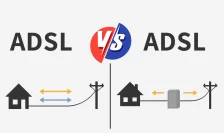
Compare las conexiones de banda ancha ADSL y VDSL. Conozca las diferencias clave en velocidad, rendimiento y aplicaciones para elegir la tecnología DSL adecuada según sus necesidades.
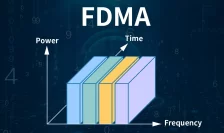
El acceso múltiple por división de frecuencia asigna a cada usuario una banda de frecuencia única, permitiendo una comunicación clara y simultánea en teléfonos, radios y satélites.
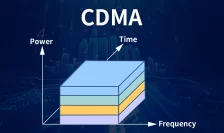
El acceso múltiple por división de código permite que múltiples usuarios compartan la misma banda de frecuencia mediante códigos únicos, asegurando una comunicación inalámbrica segura y clara.
La red de distribución óptica garantiza un FTTH rápido y fiable al conectar a los proveedores con los hogares mediante fibra pasiva escalable, lo que permite la entrega de banda ancha de alta velocidad.
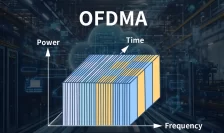
¿Qué es OFDMA? OFDMA permite que múltiples dispositivos compartan canales Wi-Fi y 5G, mejorando la velocidad, la eficiencia y la fiabilidad en redes modernas.
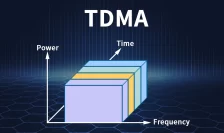
El acceso múltiple por división de tiempo permite que varios usuarios compartan un canal asignando ranuras de tiempo, garantizando llamadas claras y una transmisión eficiente de datos en redes modernas.
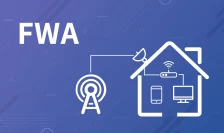
Descubra qué es la FWA, cómo ofrece banda ancha mediante redes inalámbricas 4G/5G y por qué resulta fundamental para la conectividad. Aprenda sus beneficios, desafíos y cómo los módulos SFP LINK-PP respaldan despliegues fiables de FWA.
What are SFP ports on a switch? Learn how SFP ports support fiber and Ethernet connections, how they compare with RJ45 and SFP+, and which module you need.
An SGMII SFP transceiver enables fast Ethernet connections over copper or fiber, supporting flexible speeds and device compatibility in modern networks.
What Frame Check Sequence (FCS) means, how CRC-32 detects corrupted Ethernet frames, and why FCS errors are commonly associated with cable faults, fiber issues, or optical transceiver problems.
Discover how optical cross‑connect (OXC) enables all‑optical switching in DWDM/OTN networks, with LINK‑PP SFP modules ensuring seamless integration and superior performance.
Learn what Dispersion Compensation Fiber (DCF) is, how it reduces chromatic dispersion, where it is used, and why it matters in modern optical networks.
Learn what OEO means in optical communication, how optical-electrical-optical regeneration works, and when it is used in DWDM networks and optical links. Keywords:
Complete guide to GLC-SX-MMD 1000BASE-SX SFP module: specs, MMF vs SMF, DOM features, compatibility, and best alternatives for cost-effective deployment.
Learn how compatible transceivers work and how to ensure switch compatibility. Avoid SFP errors, vendor locks, and choose the right module confidently.
Learn how a 1000BASE-T SFP transceiver module works with Category 5 copper wire, including compatibility limits, heat issues, and real-world deployment tips.
Learn the SFP28 standard, including its 25G capabilities, SFP28 vs. SFP+ differences, fiber and copper options, and how to choose the right 25G solution.
Subscribe to LINK-PP
newsletter
Don’t miss anything. Get all the latest posts delivered straight to your inbox.