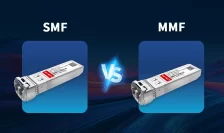
El transceptor óptico SMF ofrece enlaces de larga distancia y alta velocidad, mientras que el MMF es adecuado para recorridos cortos y rentables. Elija según las necesidades de su red.
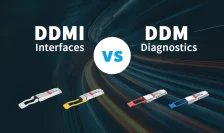
Explore la diferencia entre DDMI (interfaz) y DDM (diagnósticos) en transceptores ópticos. Aprenda cómo cada uno admite la supervisión en tiempo real y cómo los productos LINK-PP los aprovechan.
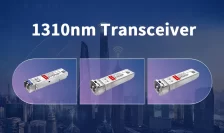
Descubra cómo los módulos ópticos de 1310 nm desempeñan funciones esenciales en centros de datos, redes metropolitanas y enlaces empresariales. Conozca casos de uso y explore los módulos fiables de LINK-PP.
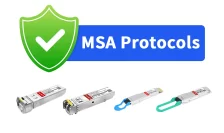
Explore los protocolos MSA más comunes utilizados en transceptores ópticos. Conozca SFP, SFP+, QSFP, CFP y más —además de cómo los módulos compatibles de LINK-PP ofrecen un rendimiento fiable.
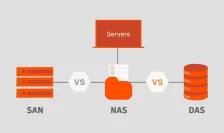
Compare DAS, NAS y SAN para encontrar la mejor solución de almacenamiento de datos según velocidad, escalabilidad, fiabilidad y costo, basado en sus necesidades empresariales o personales.
El almacenamiento directamente conectado se conecta directamente a su dispositivo, ofreciendo acceso rápido a los datos, privacidad y control sin depender de una red.
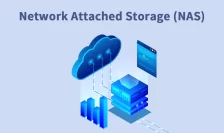
El almacenamiento conectado a la red (NAS) es un dispositivo centralizado que le permite almacenar, compartir y proteger archivos a través de su red para un acceso fácil desde múltiples dispositivos.
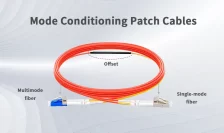
Los cables de conexión de acondicionamiento de modo permiten que los dispositivos monomodo funcionen con fibra multimodo, reduciendo la distorsión de la señal y el retardo diferencial de modo en las redes.
Una red de área de almacenamiento (SAN) conecta servidores con almacenamiento compartido, ofreciendo acceso rápido, fiable y centralizado a los datos para empresas con grandes necesidades de datos.
What are SFP ports on a switch? Learn how SFP ports support fiber and Ethernet connections, how they compare with RJ45 and SFP+, and which module you need.
An SGMII SFP transceiver enables fast Ethernet connections over copper or fiber, supporting flexible speeds and device compatibility in modern networks.
What Frame Check Sequence (FCS) means, how CRC-32 detects corrupted Ethernet frames, and why FCS errors are commonly associated with cable faults, fiber issues, or optical transceiver problems.
Discover how optical cross‑connect (OXC) enables all‑optical switching in DWDM/OTN networks, with LINK‑PP SFP modules ensuring seamless integration and superior performance.
Learn what Dispersion Compensation Fiber (DCF) is, how it reduces chromatic dispersion, where it is used, and why it matters in modern optical networks.
Learn what OEO means in optical communication, how optical-electrical-optical regeneration works, and when it is used in DWDM networks and optical links. Keywords:
Complete guide to GLC-SX-MMD 1000BASE-SX SFP module: specs, MMF vs SMF, DOM features, compatibility, and best alternatives for cost-effective deployment.
Learn how compatible transceivers work and how to ensure switch compatibility. Avoid SFP errors, vendor locks, and choose the right module confidently.
Learn how a 1000BASE-T SFP transceiver module works with Category 5 copper wire, including compatibility limits, heat issues, and real-world deployment tips.
Learn the SFP28 standard, including its 25G capabilities, SFP28 vs. SFP+ differences, fiber and copper options, and how to choose the right 25G solution.
Subscribe to LINK-PP
newsletter
Don’t miss anything. Get all the latest posts delivered straight to your inbox.