What are SFP ports on a switch? Learn how SFP ports support fiber and Ethernet connections, how they compare with RJ45 and SFP+, and which module you need.
What Frame Check Sequence (FCS) means, how CRC-32 detects corrupted Ethernet frames, and why FCS errors are commonly associated with cable faults, fiber issues, or optical transceiver problems.
Discover the LQ‑SW40‑SR4C 40GBASE‑SR module: high-speed, low-power, QSFP+ optics for multimode fibre networks. Perfect for data centres and network upgrades.
Discover how optical cross‑connect (OXC) enables all‑optical switching in DWDM/OTN networks, with LINK‑PP SFP modules ensuring seamless integration and superior performance.
Explore el mundo de las resistencias con nuestra guía exhaustiva. Aprenda sobre los distintos tipos, sus aplicaciones y sus especificaciones para tomar decisiones informadas en sus proyectos electrónicos.
Explore las diferencias fundamentales entre GPU y CPU, sus distinciones arquitectónicas y sus referencias de rendimiento para comprender qué procesador se adapta mejor a sus necesidades informáticas.
La Evolución a Largo Plazo (LTE) es un estándar inalámbrico 4G que ofrece datos de alta velocidad y baja latencia para dispositivos móviles, permitiendo conexiones a Internet rápidas y confiables.
La inteligencia artificial utiliza datos y algoritmos para ayudar a las computadoras a resolver problemas, tomar decisiones y automatizar tareas en la vida cotidiana.
Las redes definidas por software ofrecen control centralizado, flexibilidad y automatización para una gestión eficiente de redes y una adaptación rápida a necesidades cambiantes.
Un sistema de monitoreo óptico rastrea en tiempo real las señales de fibra óptica, ayudando a detectar fallas y mejorar la confiabilidad y seguridad de la red.
Explore cómo las Unidades de Procesamiento de Datos (DPU) optimizan el rendimiento de los centros de datos, acelerando la red, el almacenamiento y la seguridad. Descubra los módulos ópticos de LINK-PP para interconexiones de alta velocidad.
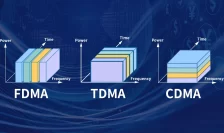
Compare FDMA, TDMA y CDMA para redes inalámbricas. Descubra qué método de acceso ofrece mayor eficiencia, capacidad y rendimiento preparado para el futuro.
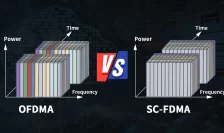
OFDMA frente a SC-FDMA: compare sus roles en LTE/5G, su impacto en la velocidad de descarga, la duración de la batería y por qué las redes utilizan OFDMA para el enlace descendente y SC-FDMA para el enlace ascendente.
Las computadoras industriales (IPC) ofrecen una computación resistente y fiable para IIoT y control periférico, asegurando una operación continua en entornos industriales exigentes.
Learn PROFIBUS fundamentals, protocol types, architecture, and industrial applications. Includes expert terminology and LINK-PP RJ45 connectors for hybrid systems.
Learn PROFINET fundamentals, architecture, device classes, and real-time communication requirements. Includes hardware insights and LINK-PP integrated RJ45 solutions.
Network congestion slows internet speeds and causes dropped connections. Learn how to identify, fix, and prevent network congestion for smoother online use.
Learn what network latency is, what causes it, and actionable strategies to reduce it. Discover how high-performance optics from brands like LINK-PP can help.
SERDES interfaces convert parallel data to serial for high-speed, reliable transmission, reducing wiring and improving signal integrity in electronics.
Complete guide to GLC-SX-MMD 1000BASE-SX SFP module: specs, MMF vs SMF, DOM features, compatibility, and best alternatives for cost-effective deployment.
Learn how compatible transceivers work and how to ensure switch compatibility. Avoid SFP errors, vendor locks, and choose the right module confidently.
Learn the SFP28 standard, including its 25G capabilities, SFP28 vs. SFP+ differences, fiber and copper options, and how to choose the right 25G solution.
Learn how a 1000BASE-T SFP transceiver module works with Category 5 copper wire, including compatibility limits, heat issues, and real-world deployment tips.
Subscribe to LINK-PP
newsletter
Don’t miss anything. Get all the latest posts delivered straight to your inbox.