What are SFP ports on a switch? Learn how SFP ports support fiber and Ethernet connections, how they compare with RJ45 and SFP+, and which module you need.
What Frame Check Sequence (FCS) means, how CRC-32 detects corrupted Ethernet frames, and why FCS errors are commonly associated with cable faults, fiber issues, or optical transceiver problems.
Discover the LQ‑SW40‑SR4C 40GBASE‑SR module: high-speed, low-power, QSFP+ optics for multimode fibre networks. Perfect for data centres and network upgrades.
Discover how optical cross‑connect (OXC) enables all‑optical switching in DWDM/OTN networks, with LINK‑PP SFP modules ensuring seamless integration and superior performance.
Explore los desafíos críticos de los alojamientos de módulos ópticos en la era de 400G/800G: gestión de calor, límites de materiales, integridad de señal y cómo la innovación los aborda.
Discover the role of optical module housings in data centers & 5G. Learn about materials like ceramics & alloys, thermal challenges, and explore Link-PP's optical transceivers.
Los módulos ópticos de 2,5 G aumentan la velocidad de la red, simplifican las actualizaciones y reducen costos mediante una instalación sencilla y una amplia compatibilidad con redes modernas.
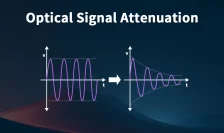
La atenuación en los transceptores ópticos debilita las señales. Gestione las pérdidas verificando los cables, limpiando los conectores y utilizando las herramientas adecuadas para fibra.
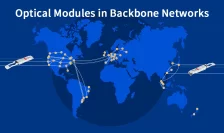
Descubra cómo los módulos ópticos impulsan las redes troncales: transferencia de datos de alta velocidad, fiabilidad, ventajas de LINK-PP y consejos para la adquisición en centros de datos y operadores.
El módulo óptico de 100 M permite conexiones rápidas y fiables para oficinas, fábricas, sistemas de seguridad y redes de telecomunicaciones, apoyando una transferencia eficiente de datos a corta distancia.
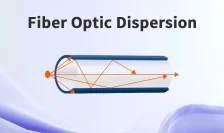
La dispersión en el transceptor óptico afecta la claridad de la señal y la fiabilidad de los datos. Aprenda a gestionar la dispersión para lograr un rendimiento óptimo de la red.
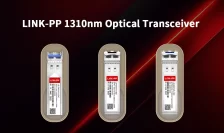
El módulo óptico de 1310 nm ofrece una transmisión de datos fiable y rentable para redes metropolitanas, de campus y empresariales. Compare el rendimiento, el alcance y los casos de uso.
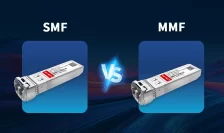
El transceptor óptico SMF ofrece enlaces de larga distancia y alta velocidad, mientras que el MMF es adecuado para recorridos cortos y rentables. Elija según las necesidades de su red.
La red basada en intenciones automatiza la gestión de redes, alinea las operaciones con los objetivos empresariales y mejora la seguridad mediante IA y análisis.
¿Qué es el CMOS? Aprenda los fundamentos de la tecnología de semiconductor de óxido metálico complementario, su principio de funcionamiento, sus ventajas clave y su integración con la fotonica de silicio y los transceptores ópticos.
El Protocolo de mensajes de control de Internet (ICMP) ayuda a diagnosticar problemas de red al enviar mensajes de error y de estado entre dispositivos para una comunicación fiable.
El Sistema de Posicionamiento Global (GPS) utiliza satélites para ofrecer ubicación, navegación y seguimiento en tiempo real con precisión para necesidades personales, empresariales y de seguridad.
Un sistema de gestión de redes supervisa, controla y protege los dispositivos de red, proporcionando alertas en tiempo real, automatización y una mayor seguridad de la red.
La operación multi-enlace (MLO) en Wi-Fi permite que los dispositivos utilicen múltiples bandas simultáneamente, mejorando la velocidad, la estabilidad y el rendimiento en las redes Wi-Fi 7.
El Protocolo de tiempo de red sincroniza los relojes de los dispositivos a través de las redes, garantizando una hora precisa para la integridad de los datos, la seguridad y el funcionamiento fluido.
El canal de fibra sobre Ethernet (FCoE) permite que el tráfico de almacenamiento de canal de fibra se ejecute en redes Ethernet, simplificando la conectividad del centro de datos y reduciendo costos.
Un adaptador de red convergente combina conectividad de red y almacenamiento en un solo dispositivo, reduciendo el hardware y simplificando la gestión del centro de datos.
Complete guide to GLC-SX-MMD 1000BASE-SX SFP module: specs, MMF vs SMF, DOM features, compatibility, and best alternatives for cost-effective deployment.
Learn how compatible transceivers work and how to ensure switch compatibility. Avoid SFP errors, vendor locks, and choose the right module confidently.
Learn the SFP28 standard, including its 25G capabilities, SFP28 vs. SFP+ differences, fiber and copper options, and how to choose the right 25G solution.
Learn how a 1000BASE-T SFP transceiver module works with Category 5 copper wire, including compatibility limits, heat issues, and real-world deployment tips.
Subscribe to LINK-PP
newsletter
Don’t miss anything. Get all the latest posts delivered straight to your inbox.