Comprenez la terminologie des émetteurs-récepteurs optiques tels que SR, LR, ER et ZR pour choisir le module adapté aux besoins de votre réseau en termes de vitesse, de distance et de compatibilité.
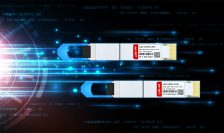
L’émetteur-récepteur 400G QSFP-DD LR4 LINK-PP LQD-CW400-LR4C offre une portée de 10 km, une vitesse de 400 Gbps et une efficacité énergétique, idéal pour les centres de données et les réseaux d'entreprise.
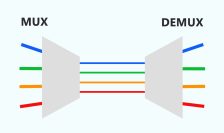
Wavelength Division Multiplexing (WDM) uses optical transceiver modules to send multiple data streams through a single fiber, boosting bandwidth and efficiency.
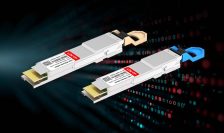
QSFP-DD Optical Transceivers deliver up to 800Gbps speeds, offering high bandwidth, energy efficiency, and compatibility for modern networks and data centers.
À propos de LINK-PP : Leader mondial des composants magnétiques, offrant des connecteurs RJ45, des transformateurs LAN et des transceivers optiques de haute qualité pour des réseaux fiables.
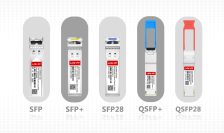
Comparez les transceivers optiques SFP, SFP+, SFP28, QSFP+ et QSFP28. Découvrez comment les facteurs de forme influencent la vitesse, la compatibilité et les performances dans les réseaux modernes.
Optical modules enable high-speed, low-latency links across 5G fronthaul, midhaul, and backhaul. Learn how transceiver types, standards, and deployment needs shape modern telecom networks.
Clear, practical guide to SFF-8431 — the SFP+ 10G electrical interface standard. Learn the key requirements, design considerations, and how LINK-PP 10G SFP modules comply.
Explore how RJ45 Magjack connectivity solutions from LINK-PP enhance telecom infrastructure—improving reliability, PoE support and integration for next-gen networks.
Découvrez ce qu’est un réseau de télécommunications, comment il fonctionne et son rôle dans la 5G. Explorez les opportunités, les défis et la manière dont les solutions LINK‑PP soutiennent les réseaux de nouvelle génération.
Learn what the SFP28 MSA (Small Form-factor Pluggable 28 Multi-Source Agreement) defines, why it matters for 25G Ethernet, and how it ensures module interoperability.
L’apprentissage automatique (ML) permet aux ordinateurs d’apprendre à partir de données, d’identifier des motifs et de formuler des prédictions, alimentant des outils tels que les assistants vocaux et les systèmes de recommandation.
SSH vs SSL : SSH sécurise l’accès distant et les transferts de fichiers, tandis que SSL protège les communications web. Choisissez le protocole adapté à vos besoins de sécurité.
Discover how optical transceivers power Smart Industry 4.0 networks—enabling high-speed, low-latency, reliable connectivity in modern factories with 1G, 10G and 25G modules certified for industrial use.
OSI vs TCP/IP: OSI is ideal for learning network concepts, while TCP/IP is used for real-world networking. Compare their layers, uses, and main differences.
What Frame Check Sequence (FCS) means, how CRC-32 detects corrupted Ethernet frames, and why FCS errors are commonly associated with cable faults, fiber issues, or optical transceiver problems.
Discover how optical cross‑connect (OXC) enables all‑optical switching in DWDM/OTN networks, with LINK‑PP SFP modules ensuring seamless integration and superior performance.
Learn what Dispersion Compensation Fiber (DCF) is, how it reduces chromatic dispersion, where it is used, and why it matters in modern optical networks.
Learn what OEO means in optical communication, how optical-electrical-optical regeneration works, and when it is used in DWDM networks and optical links. Keywords:
Discover the LQ‑SW40‑SR4C 40GBASE‑SR module: high-speed, low-power, QSFP+ optics for multimode fibre networks. Perfect for data centres and network upgrades.
Learn what hyperconverged infrastructure HCI is, how it compares with virtualization and dHCI, and when Nutanix, Sangfor, or SFP-based designs fit best.
Understand SFP+ 40km (10GBASE-ER) modules, including specs, SMF compatibility, and how to choose the right extended-reach optical transceiver for your network.