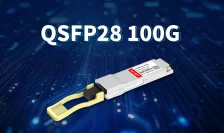
Discover the LINK-PP LQ-M85100-SR4C QSFP28 100G SR4 transceiver—ideal for short-reach 100G Ethernet over MMF. Compatible with Cisco, Arista, FS, Dell, and more.
La récupération synchronisée de l’horloge et des données (CDR) synchronise le chronométrage et les données dans les communications haut débit, garantissant un transfert de données précis et sans erreur, sans signal d’horloge séparé.
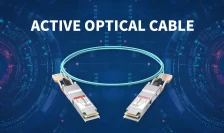
Un câble optique actif utilise des émetteurs-récepteurs intégrés pour convertir les signaux électriques en lumière, permettant une transmission de données à haute vitesse et sur de longues distances avec une perte minimale.
Un réseau local (LAN) relie des appareils dans une zone restreinte, permettant un partage rapide et sécurisé des données ainsi qu’une communication dans les foyers, les bureaux et les établissements scolaires.
CPO par rapport à LPO : Comparez les différences clés, les avantages, les économies d’énergie et les cas d’usage optimaux pour les centres de données afin de choisir la bonne technologie optique répondant à vos besoins.
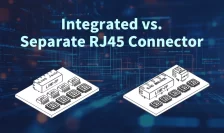
Découvrez les différences entre les connecteurs RJ45 intégrés et séparés de LINK-PP. Apprenez à choisir la bonne solution pour vos applications Ethernet.
Un module optique CPO intègre des composants optiques et électroniques afin d’accroître la vitesse, l’efficacité et la bande passante des centres de données tout en réduisant la consommation d’énergie.
Les transceivers LPO réduisent la consommation d’énergie, diminuent la latence et améliorent la fiabilité des centres de données, ce qui les rend idéaux pour des liaisons optiques haute vitesse et écoénergétiques.
Les transceivers optiques permettent un transfert de données haute vitesse et fiable dans les câbles sous-marins, assurant la connectivité mondiale et répondant aux besoins croissants en bande passante sous l’eau.
Comprenez les différences entre FTTH et FTTB. Découvrez comment les émetteurs-récepteurs optiques LINK-PP prennent en charge les deux architectures d’accès fibre pour une connectivité fiable.
Understand the key differences between XLPPI and XLAUI electrical interfaces, how they work in 40G/100G Ethernet systems, and which interface modern QSFP modules use.
Découvrez les avantages de l'interface électrique XLPPI dans les réseaux haut débit. Apprenez comment elle réduit la latence, diminue la consommation d'énergie et assure la pérennité de la transmission moderne des données.
Learn about Google Cloud Platform (GCP), its architecture, services, and how optical transceivers enable high-performance networking within GCP’s data centers.
What Frame Check Sequence (FCS) means, how CRC-32 detects corrupted Ethernet frames, and why FCS errors are commonly associated with cable faults, fiber issues, or optical transceiver problems.
Discover how optical cross‑connect (OXC) enables all‑optical switching in DWDM/OTN networks, with LINK‑PP SFP modules ensuring seamless integration and superior performance.
Learn what Dispersion Compensation Fiber (DCF) is, how it reduces chromatic dispersion, where it is used, and why it matters in modern optical networks.
Learn what OEO means in optical communication, how optical-electrical-optical regeneration works, and when it is used in DWDM networks and optical links. Keywords:
Discover the LQ‑SW40‑SR4C 40GBASE‑SR module: high-speed, low-power, QSFP+ optics for multimode fibre networks. Perfect for data centres and network upgrades.
Learn what hyperconverged infrastructure HCI is, how it compares with virtualization and dHCI, and when Nutanix, Sangfor, or SFP-based designs fit best.
Understand SFP+ 40km (10GBASE-ER) modules, including specs, SMF compatibility, and how to choose the right extended-reach optical transceiver for your network.
Découvrez ce qu’est le 40GBASE-ER4, sa portée sur fibre monomode duplex, ses fonctionnalités prises en charge et comment choisir l’optique QSFP+ adaptée.
Subscribe to LINK-PP
newsletter
Don’t miss anything. Get all the latest posts delivered straight to your inbox.