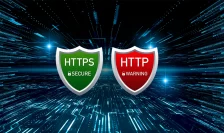
HTTP vs HTTPS : HTTPS chiffre les données pour une transmission sécurisée, tandis que HTTP laisse les informations exposées. Choisissez HTTPS pour la confidentialité, la confiance et la conformité.
Comparez les transceivers 100G LR4, CWDM4 et PSM4 afin de déterminer le meilleur choix pour votre réseau en fonction de la distance, du coût et des exigences en matière de câblage.
Découvrez ce qu’est un plan arrière, comment les canaux de plan arrière prennent en charge l’Ethernet haute vitesse 40G/100G, les normes clés et les défis de conception. Apprenez comment les connecteurs LINK-PP RJ45 améliorent les performances du plan arrière.
Découvrez la norme IEEE 802.3bj pour l’Ethernet 100G relative aux interconnexions par plan arrière et par câble cuivre. Explorez les technologies PAM4, FEC, les PHY KP4/KR4/CR4, ainsi que la manière dont les modules LINK-PP prennent en charge les réseaux haute vitesse.
Comprendre le TDCEQ, la métrique critique de la qualité du transmetteur PAM4 pour les modules optiques modernes. Apprenez comment le tdecq mesure la fermeture verticale de l'oeil et affecte la performance et la conformité des modules 50/100/400g.
Découvrez comment les impulsions optiques transmettent des données à haute vitesse dans les réseaux en fibre. Explorez les principes, les applications et pourquoi les émetteurs-récepteurs optiques LINK-PP délivrent des impulsions plus propres et plus fiables.
Explorez le migrage cloud et ses avantages, stratégies, meilleures pratiques, ainsi que les composants essentiels, comme les modules optiques, qui en font tout possible.
Découvrez ce qu'est le contrôleur d'esclave EtherCAT (ESC) et comment il traite les trames en temps réel, gère la cartographie FMMU et permet l'automatisation industrielle à haute vitesse.
Learn the differences between integrated and separate RJ45 connectors from LINK-PP. Discover how to choose the right solution for your Ethernet applications.
CPO par rapport à LPO : Comparez les différences clés, les avantages, les économies d’énergie et les cas d’usage optimaux pour les centres de données afin de choisir la bonne technologie optique répondant à vos besoins.
LPO transceivers cut power use, lower latency, and boost reliability in data centers, making them ideal for high-speed, energy-efficient optical links.
Soudage par vague contre soudage en reflow : comparez les procédés, les applications, les coûts et les usages optimaux pour l’assemblage de cartes de circuits imprimés afin de choisir la méthode adaptée à votre projet.
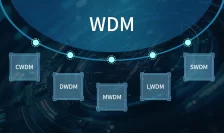
CWDM contre DWDM contre MWDM contre LWDM contre SWDM : comparez l’écart entre canaux, la distance, le coût et les cas d’usage optimaux afin de choisir le WDM adapté à vos besoins réseau.
Discover how LINK-PP’s LAN transformers deliver high speed and signal integrity, and certified electrical isolation—ideal for industrial, PoE, and IoT network.
Medical-grade RJ45 connector ensures safe, reliable, and compliant network connections in medical devices, meeting IEC 60601-1 and sterilization standards.
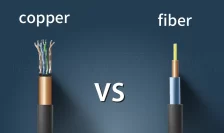
Fiber optic cable offers faster speeds, longer distances, and better reliability than copper cable, making it ideal for high-performance internet and networks.
What Frame Check Sequence (FCS) means, how CRC-32 detects corrupted Ethernet frames, and why FCS errors are commonly associated with cable faults, fiber issues, or optical transceiver problems.
Discover how optical cross‑connect (OXC) enables all‑optical switching in DWDM/OTN networks, with LINK‑PP SFP modules ensuring seamless integration and superior performance.
Learn what Dispersion Compensation Fiber (DCF) is, how it reduces chromatic dispersion, where it is used, and why it matters in modern optical networks.
Learn what OEO means in optical communication, how optical-electrical-optical regeneration works, and when it is used in DWDM networks and optical links. Keywords:
Learn what a Fiber Optical Light Source is, how it works, its types, and how to choose the right one for accurate fiber testing and network performance.
Learn what hyperconverged infrastructure HCI is, how it compares with virtualization and dHCI, and when Nutanix, Sangfor, or SFP-based designs fit best.
Découvrez ce qu’est le 40GBASE-ER4, sa portée sur fibre monomode duplex, ses fonctionnalités prises en charge et comment choisir l’optique QSFP+ adaptée.
Understand SFP+ 40km (10GBASE-ER) modules, including specs, SMF compatibility, and how to choose the right extended-reach optical transceiver for your network.
Learn how a 1000BASE-T SFP transceiver module works with Category 5 copper wire, including compatibility limits, heat issues, and real-world deployment tips.