Découvrez ce qu’est la latence réseau, ce qui la provoque et des stratégies concrètes pour la réduire. Découvrez comment les optiques hautes performances de marques telles que LINK-PP peuvent vous aider.
XLAUI (interface d’unité de raccordement à 10 voies) permet des connexions haute vitesse et fiables entre les circuits intégrés hôtes et les modules QSFP+ dans les systèmes Ethernet 40/100 G.
Les modules E/S relient les systèmes de commande aux capteurs et aux appareils, permettant un échange de données précis, une commande en temps réel et des performances fiables en automatisation.
Les fibres à dispersion décalée offrent une faible dispersion et une faible atténuation pour la transmission optique de données haute vitesse sur de longues distances, avec une qualité de signal améliorée.
Découvrez ce qu’est un système d’exploitation réseau (NOS), comment il pilote les commutateurs et les routeurs, et pourquoi il est essentiel pour le routage, l’automatisation, la télémétrie et les réseaux de centres de données modernes.
Le débit dans les communications réseau correspond à la quantité réelle de données transférées par seconde, illustrant les performances réelles du réseau pour le streaming, les jeux en ligne et les téléchargements.
Intersymbol interference (ISI) in digital communication occurs when overlapping signals cause bit errors, reducing data reliability and signal clarity.
Learn what QoS (Quality of Service) means, how it works, and why it is essential for real-time IP networks. Includes practical applications and hardware considerations.
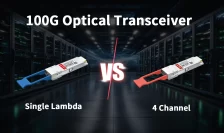
Les modules 100G à longueur d’onde unique offrent des mises à niveau plus faciles, un câblage plus simple et des performances prêtes pour l’avenir par rapport aux modules optiques 100G à 4 canaux.
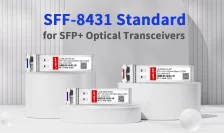
Découvrez comment les modules SFP+ de LINK-PP répondent à la norme d’interface électrique SFF-8431, garantissant l’intégrité du signal à 10 Gb/s, la compatibilité avec les systèmes hôtes et des diagnostics en temps réel
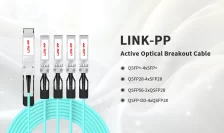
Un câble AOC « breakout » divise un port haute vitesse en plusieurs ports, offrant des connexions réseau rapides, flexibles et économes en énergie pour les centres de données de 2025.
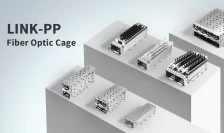
Sélectionnez la meilleure cage pour fibres optiques en tenant compte de la compatibilité, de la densité de ports, de la gestion thermique (options de dissipateurs thermiques), de l’intégration de conduits lumineux, du blindage EMI, etc.
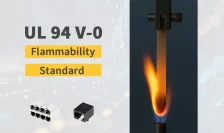
Qu’est-ce que la norme UL94 V-0 ? Découvrez ce classement de sécurité incendie le plus strict, sa valeur réelle lors des achats, les scénarios de conformité, et obtenez des solutions réseau certifiées UL94 V-0 par LINK-PP.
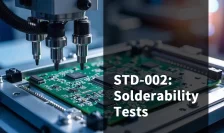
Learn about J-STD-002 solderability testing and how LINK-PP’s Integrated RJ45, LAN Transformers, Modular Jacks, and Fiber Optic Cages meet this standard.
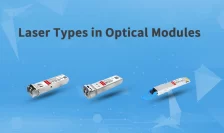
Découvrez comment les lasers VCSEL, FP, DFB et EML diffèrent dans les modules optiques. Explorez leurs caractéristiques principales, leurs usages courants et la manière dont LINK‑PP les intègre dans ses transceivers.
Explore the differences between LAN, MAN, and WAN networks, their technologies, typical applications, and why LINK‑PP components are ideal for each deployment.
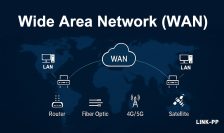
Découvrez ce qu’est un réseau étendu (WAN), comment il diffère d’un LAN et pourquoi le WAN est essentiel pour la connectivité entreprise d’aujourd’hui.
What Frame Check Sequence (FCS) means, how CRC-32 detects corrupted Ethernet frames, and why FCS errors are commonly associated with cable faults, fiber issues, or optical transceiver problems.
Discover how optical cross‑connect (OXC) enables all‑optical switching in DWDM/OTN networks, with LINK‑PP SFP modules ensuring seamless integration and superior performance.
Learn what Dispersion Compensation Fiber (DCF) is, how it reduces chromatic dispersion, where it is used, and why it matters in modern optical networks.
Learn what OEO means in optical communication, how optical-electrical-optical regeneration works, and when it is used in DWDM networks and optical links. Keywords:
Discover the LQ‑SW40‑SR4C 40GBASE‑SR module: high-speed, low-power, QSFP+ optics for multimode fibre networks. Perfect for data centres and network upgrades.
Learn what hyperconverged infrastructure HCI is, how it compares with virtualization and dHCI, and when Nutanix, Sangfor, or SFP-based designs fit best.
Understand SFP+ 40km (10GBASE-ER) modules, including specs, SMF compatibility, and how to choose the right extended-reach optical transceiver for your network.
Découvrez ce qu’est le 40GBASE-ER4, sa portée sur fibre monomode duplex, ses fonctionnalités prises en charge et comment choisir l’optique QSFP+ adaptée.
Subscribe to LINK-PP
newsletter
Don’t miss anything. Get all the latest posts delivered straight to your inbox.