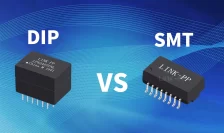
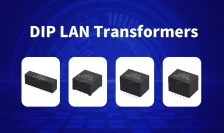
Comparez les transformateurs LAN DIP et SMT. Découvrez comment l’emballage, le montage, les performances et la fiabilité varient selon les applications Ethernet, PoE et industrielles.
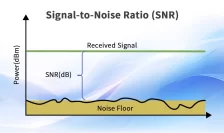
Le SNR, ou rapport signal/bruit, mesure la puissance du signal par rapport au bruit. Un SNR élevé signifie une qualité audio, d’image et de données plus claire, donc une meilleure qualité globale du signal.
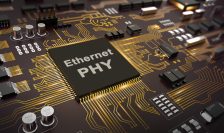
Découvrez ce qu’est un PHY Ethernet, comment il relie la couche MAC au support réseau, ses fonctions essentielles, les types de signaux qu’il gère, et comment il s’apparie avec les magnétiques LINK‑PP pour la conception Ethernet.
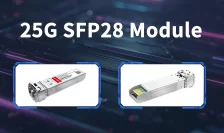
Le SFP28 est un module transceiver 25G conçu pour un transfert de données rapide et efficace dans les réseaux modernes, offrant haute vitesse, compatibilité et économies énergétiques.
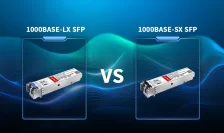
Le transceiver SFP 1000BASE-LX prend en charge jusqu’à 10 km sur fibre monomode, tandis que le 1000BASE-SX est idéal pour les liaisons à courte portée. Comparez les caractéristiques techniques, les types de fibre et les cas d’utilisation.
Découvrez les avantages des transformateurs LAN DIP dans les systèmes Ethernet, notamment une forte immunité aux interférences électromagnétiques (EMI), une grande robustesse et une conception fiable à montage traversant.
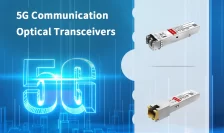
Explorez le rôle des modules optiques dans les réseaux 5G, y compris leurs types, leurs caractéristiques et leur déploiement dans les réseaux front-haul, mid-haul et backhaul.
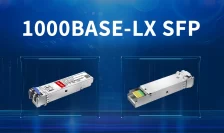
Le SFP 1000BASE-LX permet des connexions fibre fiables à 1 Gbps sur une distance allant jusqu’à 10 km, prenant en charge aussi bien la fibre monomode que la fibre multimode pour les équipements réseau modernes.
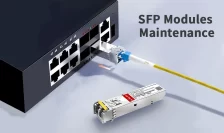
Apprenez à nettoyer, à utiliser et à surveiller les transcepteurs optiques SFP afin d’améliorer la fiabilité du réseau et d’allonger la durée de vie des modules SFP.
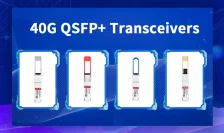
Comprendre les différents types de transcepteurs 40G QSFP+, notamment les 40GBASE-SR4, 40GBASE-LR4, 40GBASE-FR4 et 40GBASE-ER4. Choisissez les modules QSFP+ adaptés à vos besoins.
Comprenez les facteurs de forme des transceivers optiques 100G tels que QSFP28, CFP, CFP2, CFP4 et CXP. Apprenez comment ils optimisent les performances du réseau et assurent la compatibilité.
Les transceivers à double débit fonctionnent à deux débits de données distincts, offrant flexibilité, rentabilité et compatibilité transparente pour les mises à niveau réseau modernes.
Understand the role of 1x9 transceivers in fiber optic networks, their cost-effectiveness, compatibility with legacy systems, and reliable data transmission.
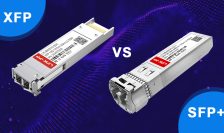
Compare XFP and SFP+ transceivers: XFP offers long-distance, high-speed performance, while SFP+ is compact, energy-efficient, and ideal for short-range tasks.
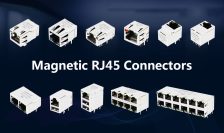
Un RJ45 avec magnétiques intègre des transformateurs et des chokes pour améliorer la qualité du signal, supprimer l'EMI et simplifier les conceptions. Idéal pour l'utilisation de connecteurs RJ45 magnétiques.
Quality certifications like ISO 9001:2015, RoHS, and FCC ensure optical transceivers meet strict standards for reliability, compliance, and performance.
Les connecteurs LINK-PP intégrés RJ45 offrent des magnétiques intégrés, une couche de protection contre l'EMI, un support PoE et des vitesses Ethernet rapides, assurant ainsi un réseau fiable et efficient.
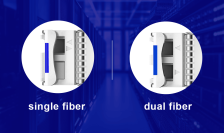
Single fiber transceivers, like the Bidi Transceiver, use one fiber for bidirectional data, while dual fiber transceivers require two fibers for separate TX and RX.
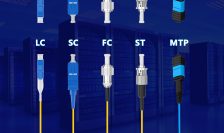
Explore common fiber connector types like SC, LC, ST, FC, and MPO/MTP, their characteristics, and applications in optical transceivers for efficient networks.
L’emballage COB, BOX et TO-CAN influence les dispositifs optiques en équilibrant taille, coût et fiabilité. Découvrez comment le COB se distingue dans les applications compactes et à haute vitesse.
What Frame Check Sequence (FCS) means, how CRC-32 detects corrupted Ethernet frames, and why FCS errors are commonly associated with cable faults, fiber issues, or optical transceiver problems.
Discover how optical cross‑connect (OXC) enables all‑optical switching in DWDM/OTN networks, with LINK‑PP SFP modules ensuring seamless integration and superior performance.
Learn what Dispersion Compensation Fiber (DCF) is, how it reduces chromatic dispersion, where it is used, and why it matters in modern optical networks.
Learn what OEO means in optical communication, how optical-electrical-optical regeneration works, and when it is used in DWDM networks and optical links. Keywords:
Learn what a Fiber Optical Light Source is, how it works, its types, and how to choose the right one for accurate fiber testing and network performance.
Discover the LQ‑SW40‑SR4C 40GBASE‑SR module: high-speed, low-power, QSFP+ optics for multimode fibre networks. Perfect for data centres and network upgrades.
Learn what hyperconverged infrastructure HCI is, how it compares with virtualization and dHCI, and when Nutanix, Sangfor, or SFP-based designs fit best.
Understand SFP+ 40km (10GBASE-ER) modules, including specs, SMF compatibility, and how to choose the right extended-reach optical transceiver for your network.
Découvrez ce qu’est le 40GBASE-ER4, sa portée sur fibre monomode duplex, ses fonctionnalités prises en charge et comment choisir l’optique QSFP+ adaptée.
Subscribe to LINK-PP
newsletter
Don’t miss anything. Get all the latest posts delivered straight to your inbox.