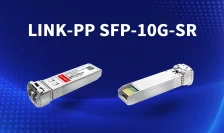
Comprendre ce qu’est le transceiver optique SFP-10G-LR, ainsi que ses spécifications fondamentales, ses applications et sa comparaison avec d’autres transceivers optiques 10G SFP+
Connecteurs RJ45 blindés ou non blindés : comparez la protection, le coût et les usages recommandés afin de choisir les bons connecteurs RJ45 pour votre environnement réseau.
Choisissez le bon transceiver 10G SFP+ en comparant sa compatibilité, sa vitesse, son type de support, sa portée et son coût afin d’assurer des mises à niveau réseau fiables.
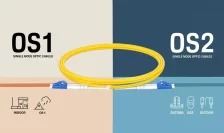
Fibre monomode : OS1 contre OS2 — comparez la construction, l’atténuation et la distance afin de choisir la fibre adaptée aux installations réseau intérieures ou extérieures.
La fibre monomode utilise un cœur de petite taille pour transmettre un seul trajet lumineux, permettant des débits élevés sur de longues distances avec une perte de signal minimale et une faible dispersion.
La modulation d’amplitude à quatre niveaux (PAM4) est une méthode qui transmet deux bits par symbole, doublant ainsi les débits de données pour les réseaux haute vitesse.
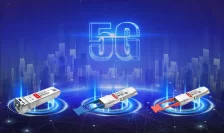
5G backhaul links cell sites to core networks, enabling high-speed, low-latency 5G services. Strong backhaul is vital for 2025’s data and device growth.
Le fronthaul 5G relie les unités radio et les unités de traitement, permettant un transfert de données à haut débit et à faible latence, essentiel pour une communication 5G fiable et efficace.
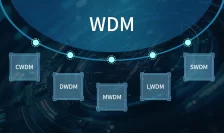
CWDM contre DWDM contre MWDM contre LWDM contre SWDM : comparez l’écart entre canaux, la distance, le coût et les cas d’usage optimaux afin de choisir le WDM adapté à vos besoins réseau.
Découvrez les bandes de longueurs d’onde utilisées dans la fibre optique, l’évolution technologique et les tendances. Voyez comment les modules LINK-PP prennent en charge les longueurs d’onde clés pour une transmission de données efficace.
Découvrez comment les transformateurs LAN de LINK-PP assurent une haute vitesse et une intégrité du signal, ainsi qu’une isolation électrique certifiée — idéaux pour les réseaux industriels, PoE et IoT.
Medical-grade RJ45 connector ensures safe, reliable, and compliant network connections in medical devices, meeting IEC 60601-1 and sterilization standards.
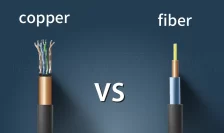
Le câble en fibre optique offre des débits plus rapides, de plus longues distances et une fiabilité supérieure à celle du câble en cuivre, ce qui le rend idéal pour Internet et les réseaux haute performance.
CWDM vs DWDM: Cost-effective 8-channel metro optics vs high-density 96+ channel long-haul systems. Choose LINK-PP optical transceivers for both WDM solutions.
What Frame Check Sequence (FCS) means, how CRC-32 detects corrupted Ethernet frames, and why FCS errors are commonly associated with cable faults, fiber issues, or optical transceiver problems.
Discover how optical cross‑connect (OXC) enables all‑optical switching in DWDM/OTN networks, with LINK‑PP SFP modules ensuring seamless integration and superior performance.
Learn what Dispersion Compensation Fiber (DCF) is, how it reduces chromatic dispersion, where it is used, and why it matters in modern optical networks.
Learn what OEO means in optical communication, how optical-electrical-optical regeneration works, and when it is used in DWDM networks and optical links. Keywords:
Discover the LQ‑SW40‑SR4C 40GBASE‑SR module: high-speed, low-power, QSFP+ optics for multimode fibre networks. Perfect for data centres and network upgrades.
Learn what hyperconverged infrastructure HCI is, how it compares with virtualization and dHCI, and when Nutanix, Sangfor, or SFP-based designs fit best.
Understand SFP+ 40km (10GBASE-ER) modules, including specs, SMF compatibility, and how to choose the right extended-reach optical transceiver for your network.
Découvrez ce qu’est le 40GBASE-ER4, sa portée sur fibre monomode duplex, ses fonctionnalités prises en charge et comment choisir l’optique QSFP+ adaptée.
Subscribe to LINK-PP
newsletter
Don’t miss anything. Get all the latest posts delivered straight to your inbox.