Temukan apa itu backplane, bagaimana saluran backplane mendukung Ethernet berkecepatan tinggi 40G/100G, standar utama, serta tantangan desain. Pelajari bagaimana konektor RJ45 LINK-PP meningkatkan kinerja backplane.
Pelajari standar Ethernet 100G IEEE 802.3bj untuk interkoneksi backplane dan kabel tembaga. Jelajahi PAM4, FEC, PHY KP4/KR4/CR4, serta cara modul LINK-PP mendukung jaringan berkecepatan tinggi.
SCP (Secure Copy) memungkinkan transfer berkas terenkripsi dan aman antar komputer menggunakan SSH. Lihat cara menggunakan SCP, fitur-fiturnya, serta praktik terbaiknya.
HTTP melalui SSL mengenkripsi data Anda, memastikan komunikasi yang aman dan pribadi serta melindungi informasi sensitif dari peretas selama penjelajahan web.
Pahami TDCEQ, metrik kualitas pemancar PAM4 kritis untuk modul optik modern. Pelajari cara tdecq mengukur penutupan mata vertikal dan memengaruhi kinerja serta kepatuhan modul 50/100/400G.
FTP melalui SSL (FTPS) mengamankan transfer berkas dengan mengenkripsi data menggunakan SSL/TLS, melindungi informasi sensitif dari akses tidak sah selama proses transit.
Temukan peran Gearbox dalam transceiver optik modern. Pelajari bagaimana gearbox memungkinkan penyejajaran saluran, konversi laju, dan breakout untuk jaringan 50G, 100G, dan 200G.
Pelajari apa yang didefinisikan IEEE 802.3cd untuk Ethernet 50G, 100G, dan 200G. Jelajahi teknologi PAM4, PMD utama, kasus penggunaan implementasi, serta transceiver optik LINK-PP yang sesuai.
Pelajari apa itu FMMU (Fieldbus Memory Management Unit) dan bagaimana ia memungkinkan komunikasi EtherCAT secara real-time melalui pemetaan memori yang efisien serta pemrosesan data on-the-fly.
Discover how optical modules (SFP, QSFP, CWDM) enable high-speed, long-distance communication in GPU clusters for AI training and HPC. Explore LINK-PP solutions for reliable cluster networking.
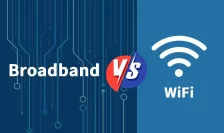
Broadband is the internet service itself, while WiFi is the wireless technology that distributes it. Learn their differences and how LINK-PP’s optical transceivers enhance broadband performance.
Discover how optical transceivers power broadband networks by enabling high-speed fiber data, low latency, and scalable infrastructure with LINK-PP solutions.
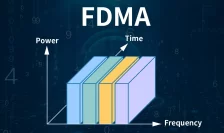
Frequency Division Multiple Access assigns each user a unique frequency band, enabling clear, simultaneous communication in phones, radios, and satellites.
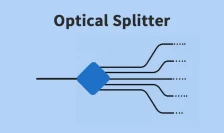
explains how optical splitters enable FTTH, their types (FBT vs. PLC), key ratios, and how they integrate with LINK-PP optical modules for a seamless network.
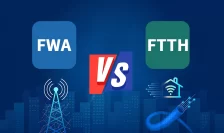
Compare FTTH and FWA broadband technologies. Learn their differences in speed, cost, deployment, and use cases. Discover how LINK-PP SFP modules support both networks.
What Frame Check Sequence (FCS) means, how CRC-32 detects corrupted Ethernet frames, and why FCS errors are commonly associated with cable faults, fiber issues, or optical transceiver problems.
Discover how optical cross‑connect (OXC) enables all‑optical switching in DWDM/OTN networks, with LINK‑PP SFP modules ensuring seamless integration and superior performance.
Learn what Dispersion Compensation Fiber (DCF) is, how it reduces chromatic dispersion, where it is used, and why it matters in modern optical networks.
Learn what OEO means in optical communication, how optical-electrical-optical regeneration works, and when it is used in DWDM networks and optical links. Keywords:
Discover the LQ‑SW40‑SR4C 40GBASE‑SR module: high-speed, low-power, QSFP+ optics for multimode fibre networks. Perfect for data centres and network upgrades.
Learn what hyperconverged infrastructure HCI is, how it compares with virtualization and dHCI, and when Nutanix, Sangfor, or SFP-based designs fit best.
Understand SFP+ 40km (10GBASE-ER) modules, including specs, SMF compatibility, and how to choose the right extended-reach optical transceiver for your network.