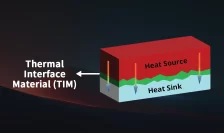
Explore what Thermal Interface Material (TIM) is, its key types, and why it matters in electronics and optical transceivers. Learn how TIM improves heat transfer, boosts device reliability, and supports LINK-PP modules—all explained clearly for better SEO and reader value.
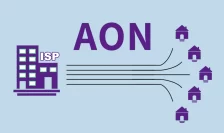
An ISP is the company that delivers internet access to individuals and businesses. Discover how ISPs enable connectivity and how LINK-PP's Magnetics support their infrastructure.
OTU4 is a high-speed digital layer in optical transport networks, enabling reliable 100GE data transmission with strong error correction and scalability.
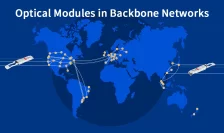
Discover how optical modules power backbone networks: high-speed data, reliability, LINK-PP advantages, and procurement tips for data centers and carriers.
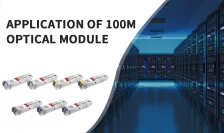
100M Optical Module enables fast, reliable connections for offices, factories, security, and telecom networks, supporting efficient short-distance data transfer.
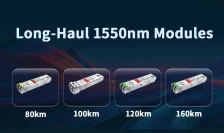
Temukan sejauh mana transceiver optik 1550 nm dapat mengirimkan sinyal melalui serat optik mode tunggal—hingga 160 km. Lihat model LINK-PP yang dirancang khusus untuk penggunaan jarak jauh.
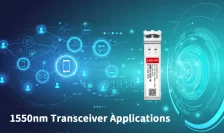
Pelajari aplikasi utama modul optik 1550 nm dalam jaringan backbone, metro, dan enterprise. Temukan transceiver LINK-PP yang dirancang khusus untuk tautan serat jarak jauh.
Temukan bagaimana modul optik (SFP, QSFP, CWDM) memungkinkan komunikasi berkecepatan tinggi dan jarak jauh dalam kluster GPU untuk pelatihan AI dan komputasi berkinerja tinggi (HPC). Jelajahi solusi LINK-PP untuk jaringan kluster yang andal.
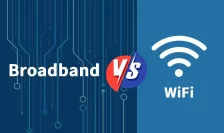
Broadband adalah layanan internet itu sendiri, sedangkan WiFi adalah teknologi nirkabel yang mendistribusikannya. Pelajari perbedaan keduanya serta bagaimana transceiver optik LINK-PP meningkatkan kinerja broadband.
Temukan bagaimana transceiver optik menggerakkan jaringan broadband dengan memungkinkan transmisi data serat berkecepatan tinggi, latensi rendah, dan infrastruktur yang dapat diskalakan melalui solusi LINK-PP.
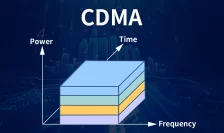
Akses Multipel Pembagian Kode memungkinkan banyak pengguna berbagi pita frekuensi yang sama menggunakan kode unik, sehingga menjamin komunikasi nirkabel yang aman dan jernih.
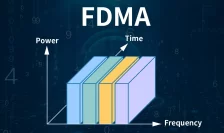
Akses Multipel Pembagian Frekuensi memberikan setiap pengguna pita frekuensi unik, memungkinkan komunikasi jernih dan simultan pada telepon, radio, dan satelit.
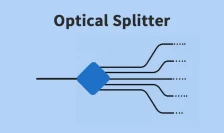
menjelaskan cara pembagi optik memungkinkan FTTH, jenis-jenisnya (FBT vs. PLC), rasio utama, serta cara integrasinya dengan modul optik LINK-PP guna menciptakan jaringan yang mulus.
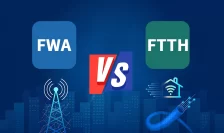
Bandingkan teknologi broadband FTTH dan FWA. Pelajari perbedaan kecepatan, biaya, penyebaran, dan kasus penggunaannya. Temukan bagaimana modul SFP LINK-PP mendukung kedua jaringan tersebut.
Jaringan optik pasif menggunakan serat optik dan pembagi tanpa daya (unpowered splitters) untuk menyampaikan internet cepat dan andal dari penyedia layanan ke banyak pengguna secara efisien.
What Frame Check Sequence (FCS) means, how CRC-32 detects corrupted Ethernet frames, and why FCS errors are commonly associated with cable faults, fiber issues, or optical transceiver problems.
Discover how optical cross‑connect (OXC) enables all‑optical switching in DWDM/OTN networks, with LINK‑PP SFP modules ensuring seamless integration and superior performance.
Learn what Dispersion Compensation Fiber (DCF) is, how it reduces chromatic dispersion, where it is used, and why it matters in modern optical networks.
Learn what OEO means in optical communication, how optical-electrical-optical regeneration works, and when it is used in DWDM networks and optical links. Keywords:
Discover the LQ‑SW40‑SR4C 40GBASE‑SR module: high-speed, low-power, QSFP+ optics for multimode fibre networks. Perfect for data centres and network upgrades.
Learn what hyperconverged infrastructure HCI is, how it compares with virtualization and dHCI, and when Nutanix, Sangfor, or SFP-based designs fit best.