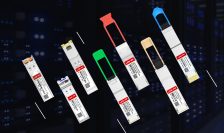
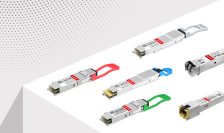
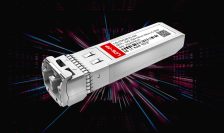
Modul Transceiver Optik Serat LINK-PP menawarkan transfer data berkecepatan tinggi, ketahanan, kompatibilitas, serta solusi hemat biaya untuk kinerja jaringan yang andal.
TOSA merupakan komponen kritis dalam transceiver optik, yang mengubah sinyal listrik menjadi sinyal optik untuk komunikasi serat optik berkecepatan tinggi.
Receiver Optical Sub-Assembly (ROSA) adalah komponen optoelektronik kritis dalam transceiver optik, yang bertanggung jawab mengubah sinyal optik masuk menjadi
Transceiver DWDM LINK-PP LS-DW2810-40I menawarkan kecepatan 10 Gbps, jangkauan 40 km, efisiensi energi, serta kompatibilitas dengan merek utama untuk jaringan tanpa hambatan.
DDM/DOM dalam transceiver optik menyediakan pemantauan waktu nyata terhadap parameter kunci seperti suhu dan daya, sehingga menjamin keandalan jaringan serta deteksi dini terhadap masalah.
Artikel ini menyediakan panduan profesional mengenai kode warna tab tarik transceiver berdasarkan panjang gelombang—meliputi modul SFP, SFP+, CWDM, dan BiDi—serta memperkenalkan cara LINK-
Transceiver optik mengubah sinyal listrik menjadi cahaya, mengirimkan data melalui kabel serat optik dengan kecepatan tinggi, keandalan tinggi, dan kehilangan minimal.
Transceiver BiDi menggunakan teknologi WDM untuk mengirim dan menerima data melalui satu serat, mengurangi biaya, menyederhanakan jaringan, dan meningkatkan efisiensi.
Bandingkan transceiver SFP vs transceiver SFF untuk mengetahui mana yang menawarkan kecepatan, fleksibilitas, dan opsi peningkatan yang lebih baik sesuai kebutuhan perangkat keras jaringan Anda.
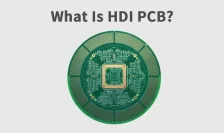
Temukan apa itu PCB HDI (High-Density Interconnect), keuntungannya, teknik pembuatannya, serta aplikasi utamanya dalam elektronik modern dan perangkat 5G.
Temukan peran tegangan isolasi dalam transformator LAN, mengapa IEEE 802.3 menetapkan nilai 1500 Vrms, serta bagaimana produk LINK-PP menjamin koneksi Ethernet yang aman dan andal.
Menjelaskan apa itu modul SFF sejati, keunggulan kritisnya dalam sistem konfigurasi tetap, serta mengapa modul ini tetap menjadi fondasi desain jaringan modern.
What Frame Check Sequence (FCS) means, how CRC-32 detects corrupted Ethernet frames, and why FCS errors are commonly associated with cable faults, fiber issues, or optical transceiver problems.
Discover how optical cross‑connect (OXC) enables all‑optical switching in DWDM/OTN networks, with LINK‑PP SFP modules ensuring seamless integration and superior performance.
Learn what Dispersion Compensation Fiber (DCF) is, how it reduces chromatic dispersion, where it is used, and why it matters in modern optical networks.
Learn what OEO means in optical communication, how optical-electrical-optical regeneration works, and when it is used in DWDM networks and optical links. Keywords:
Discover the LQ‑SW40‑SR4C 40GBASE‑SR module: high-speed, low-power, QSFP+ optics for multimode fibre networks. Perfect for data centres and network upgrades.
Learn what hyperconverged infrastructure HCI is, how it compares with virtualization and dHCI, and when Nutanix, Sangfor, or SFP-based designs fit best.
Understand SFP+ 40km (10GBASE-ER) modules, including specs, SMF compatibility, and how to choose the right extended-reach optical transceiver for your network.