What are SFP ports on a switch? Learn how SFP ports support fiber and Ethernet connections, how they compare with RJ45 and SFP+, and which module you need.
What Frame Check Sequence (FCS) means, how CRC-32 detects corrupted Ethernet frames, and why FCS errors are commonly associated with cable faults, fiber issues, or optical transceiver problems.
Discover the LQ‑SW40‑SR4C 40GBASE‑SR module: high-speed, low-power, QSFP+ optics for multimode fibre networks. Perfect for data centres and network upgrades.
What are SFP ports on a switch? Learn how SFP ports support fiber and Ethernet connections, how they compare with RJ45 and SFP+, and which module you need.
What Frame Check Sequence (FCS) means, how CRC-32 detects corrupted Ethernet frames, and why FCS errors are commonly associated with cable faults, fiber issues, or optical transceiver problems.
Discover the LQ‑SW40‑SR4C 40GBASE‑SR module: high-speed, low-power, QSFP+ optics for multimode fibre networks. Perfect for data centres and network upgrades.
Discover how optical cross‑connect (OXC) enables all‑optical switching in DWDM/OTN networks, with LINK‑PP SFP modules ensuring seamless integration and superior performance.
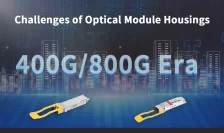
Explore the critical challenges of optical module housings in the 400G/800G era: heat management, material limits, signal integrity, and how innovation tackles them.
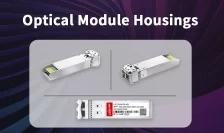
Discover the role of optical module housings in data centers & 5G. Learn about materials like ceramics & alloys, thermal challenges, and explore Link-PP's optical transceivers.
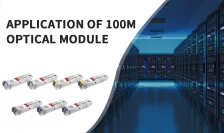
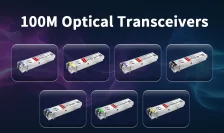
O módulo óptico de 100 M permite conexões rápidas e confiáveis para escritórios, fábricas, sistemas de segurança e redes de telecomunicações, suportando uma transferência eficiente de dados em curtas distâncias.
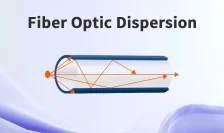
A dispersão em transceptores ópticos afeta a clareza do sinal e a confiabilidade dos dados. Saiba como gerenciar a dispersão para obter desempenho ideal da rede.
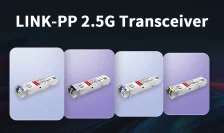
Os módulos ópticos de 2,5G aumentam a velocidade da rede, simplificam atualizações e reduzem custos com instalação fácil e ampla compatibilidade para redes modernas.
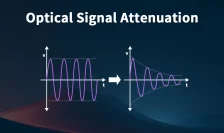
A atenuação em transceptores ópticos enfraquece os sinais. Gerencie as perdas verificando os cabos, limpando os conectores e utilizando ferramentas adequadas para fibra.
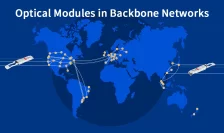
Descubra como os módulos ópticos impulsionam as redes tronco: dados de alta velocidade, confiabilidade, vantagens da LINK-PP e dicas de aquisição para data centers e operadoras.
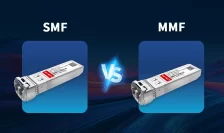
O transceptor óptico SMF oferece ligações de longa distância e alta velocidade, enquanto o MMF é adequado para ligações curtas e economicamente vantajosas. Escolha com base nas necessidades da sua rede.
Escolha o transceptor óptico 100M adequado verificando compatibilidade, tipo de fibra, comprimento de onda, distância, taxa de dados, conector e confiabilidade.
O Sistema de Nomes de Domínio (DNS) converte nomes de domínio em endereços IP, permitindo que dispositivos se conectem a sites e serviços de forma rápida e confiável online.
Saiba o que são as Unidades Terminais Remotas (RTUs), como funcionam nos sistemas SCADA, os principais protocolos (Modbus, DNP3, IEC), práticas de cibersegurança e considerações sobre hardware Ethernet industrial.
Explore como os sistemas de controle distribuído (DCS) impulsionam a automação industrial com laços de controle confiáveis, monitoramento em tempo real e maior eficiência de processo — essenciais para instalações modernas.
Um Monitor de Canal Óptico mede a potência do canal, o comprimento de onda e a OSNR em redes de fibra óptica, garantindo desempenho confiável e detecção rápida de problemas.
O Virtual Routing and Forwarding (VRF) permite múltiplas tabelas de encaminhamento privadas num único dispositivo, melhorando a segurança da rede, a segmentação e a gestão do tráfego.
Descubra como a TSN (Time-Sensitive Networking) proporciona entrega de dados determinística, com baixa latência e confiável às redes Ethernet industriais 4.0 e automotivas.
O Protocolo de Datagrama de Usuário permite a transferência rápida e sem conexão de dados para aplicações em tempo real, como streaming, jogos e DNS, priorizando a velocidade em vez da confiabilidade.
O SSL criptografa os dados entre o seu navegador e os websites, garantindo privacidade e segurança. Os certificados SSL verificam a identidade do site e protegem informações sensíveis.
Os circuitos fotônicos integrados usam luz para transmitir dados, oferecendo velocidades mais altas, menor consumo de energia e conexões confiáveis para redes modernas.
O Protocolo de Transferência de Hipertexto permite navegação web rápida ao permitir que navegadores e servidores troquem texto, imagens e vídeos de forma segura e eficiente.
Discover the LQ‑SW40‑SR4C 40GBASE‑SR module: high-speed, low-power, QSFP+ optics for multimode fibre networks. Perfect for data centres and network upgrades.
Learn what hyperconverged infrastructure HCI is, how it compares with virtualization and dHCI, and when Nutanix, Sangfor, or SFP-based designs fit best.