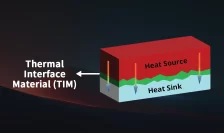
Explore what Thermal Interface Material (TIM) is, its key types, and why it matters in electronics and optical transceivers. Learn how TIM improves heat transfer, boosts device reliability, and supports LINK-PP modules—all explained clearly for better SEO and reader value.
Um ISP é a empresa que fornece acesso à internet a indivíduos e empresas. Descubra como os ISPs possibilitam a conectividade e como os magnéticos da LINK-PP apoiam sua infraestrutura.
O OTU4 é uma camada digital de alta velocidade em redes de transporte óptico, permitindo transmissão confiável de dados de 100GE com forte correção de erros e escalabilidade.
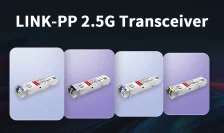
Os módulos ópticos de 2,5G aumentam a velocidade da rede, simplificam atualizações e reduzem custos com instalação fácil e ampla compatibilidade para redes modernas.
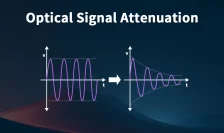
A atenuação em transceptores ópticos enfraquece os sinais. Gerencie as perdas verificando os cabos, limpando os conectores e utilizando ferramentas adequadas para fibra.
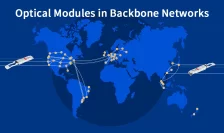
Descubra como os módulos ópticos impulsionam as redes tronco: dados de alta velocidade, confiabilidade, vantagens da LINK-PP e dicas de aquisição para data centers e operadoras.
O módulo óptico de 100 M permite conexões rápidas e confiáveis para escritórios, fábricas, sistemas de segurança e redes de telecomunicações, suportando uma transferência eficiente de dados em curtas distâncias.
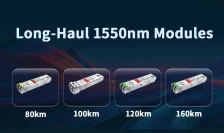
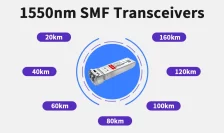
Descubra até que distância os transceptores ópticos de 1550 nm podem transmitir por fibra monomodo — até 160 km. Veja os modelos LINK-PP projetados para uso de longa distância.
Conheça as principais aplicações dos módulos ópticos de 1550 nm em redes de backbone, metropolitanas e empresariais. Descubra os transceptores LINK-PP projetados para links de fibra de longa distância.
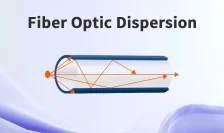
A dispersão em transceptores ópticos afeta a clareza do sinal e a confiabilidade dos dados. Saiba como gerenciar a dispersão para obter desempenho ideal da rede.
Discover how a 1550 nm optical transceiver converts electrical signals into light for long-distance fiber links. Learn its benefits, tech specs, and LINK-PP models.
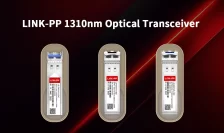
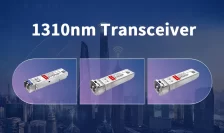
O módulo óptico de 1310 nm oferece transmissão de dados confiável e econômica para redes metropolitanas, de campus e corporativas. Compare desempenho, alcance e casos de uso.
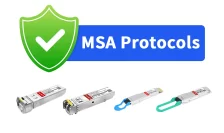
Explore the most common MSA protocols used in optical transceivers. Learn about SFP, SFP+, QSFP, CFP, and more—plus how LINK-PP's compatible modules deliver reliable performance.
Discover how 1310 nm optical modules serve essential roles in data centers, metro networks, and enterprise links. Learn use cases and explore LINK-PP’s reliable modules.
Explore the difference between DDMI (interface) and DDM (diagnostics) in optical transceivers. Learn how each supports real-time monitoring and how LINK-PP products leverage them.
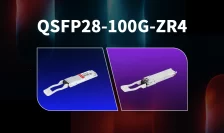
O transceptor QSFP28-100G-ZR4 permite a transmissão de dados a 100 Gbps em distâncias de até 80 km usando fibra monomodo, ideal para conexões de rede de longa distância e alta velocidade.
Solucione problemas em transceptores ópticos de forma eficiente com o Monitoramento Digital de Diagnóstico. Monitore dados em tempo real para detectar falhas precocemente e manter a confiabilidade da rede.
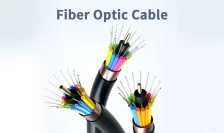
A fiber optic cable uses thin glass or plastic fibers to transmit data as light pulses, enabling fast, clear, and reliable communication over long distances.
Long-haul transmission uses fiber optic cables to send data quickly and securely over long distances, connecting cities and countries for fast communication.
What Frame Check Sequence (FCS) means, how CRC-32 detects corrupted Ethernet frames, and why FCS errors are commonly associated with cable faults, fiber issues, or optical transceiver problems.
Discover how optical cross‑connect (OXC) enables all‑optical switching in DWDM/OTN networks, with LINK‑PP SFP modules ensuring seamless integration and superior performance.
Learn what Dispersion Compensation Fiber (DCF) is, how it reduces chromatic dispersion, where it is used, and why it matters in modern optical networks.
Learn what OEO means in optical communication, how optical-electrical-optical regeneration works, and when it is used in DWDM networks and optical links. Keywords:
Discover the LQ‑SW40‑SR4C 40GBASE‑SR module: high-speed, low-power, QSFP+ optics for multimode fibre networks. Perfect for data centres and network upgrades.
Learn what hyperconverged infrastructure HCI is, how it compares with virtualization and dHCI, and when Nutanix, Sangfor, or SFP-based designs fit best.
Understand SFP+ 40km (10GBASE-ER) modules, including specs, SMF compatibility, and how to choose the right extended-reach optical transceiver for your network.