Banda larga é o próprio serviço de internet, enquanto Wi-Fi é a tecnologia sem fio que o distribui. Saiba quais são suas diferenças e como os transceptores ópticos da LINK-PP melhoram o desempenho da banda larga.
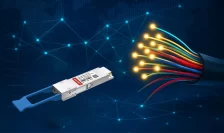
Descubra como os transceptores ópticos impulsionam redes de banda larga ao permitir dados de fibra de alta velocidade, baixa latência e infraestrutura escalável com soluções da LINK-PP.
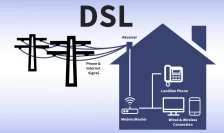
Saiba o que é DSL (Linha Digital de Assinante), como funciona e qual é a diferença entre ADSL, VDSL e outros tipos. Descubra as vantagens, limitações e o futuro da tecnologia DSL no acesso à banda larga.
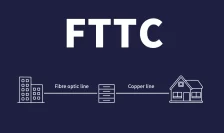
Saiba o que é FTTC (Fibra até à Calçada), como funciona, suas vantagens e desvantagens, e como se compara com FTTH e DSL. Descubra aplicações, necessidades de equipamento e tendências futuras no acesso à banda larga.
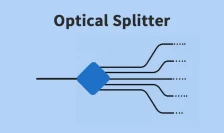
explica como os divisores ópticos permitem a FTTH, os seus tipos (FBT vs. PLC), as principais proporções e como se integram com os módulos ópticos LINK-PP para uma rede perfeita.
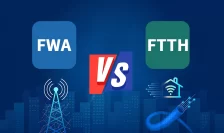
Compare as tecnologias de banda larga FTTH e FWA. Saiba quais são as diferenças em termos de velocidade, custo, implantação e casos de utilização. Descubra como os módulos SFP da LINK-PP suportam ambas as redes.
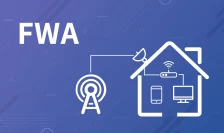
Descubra o que é FWA, como fornece banda larga através de redes sem fio 4G/5G e por que é relevante para a conectividade. Saiba quais são os seus benefícios, desafios e como os módulos SFP da LINK-PP suportam implementações fiáveis de FWA.
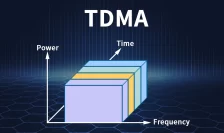
O Acesso Múltiplo por Divisão de Tempo permite que múltiplos usuários compartilhem um único canal atribuindo-lhes intervalos de tempo, garantindo chamadas nítidas e dados eficientes nas redes modernas.
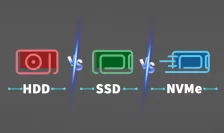
Explore as diferenças entre discos rígidos (HDD), SSDs e unidades NVMe. Saiba mais sobre velocidade, custo e melhores casos de uso, e veja como as soluções de conectividade LINK-PP suportam sistemas de armazenamento.
Discover how LINK-PP RJ45 Magjack improves QoS stability by enhancing signal integrity, reducing EMI, and ensuring reliable transmission for modern networks.
Interoperabilidade em redes significa que dispositivos e sistemas de diferentes fornecedores podem se conectar, compartilhar dados e funcionar juntos de forma contínua usando padrões comuns.
Resolva problemas comuns em redes de data center, incluindo interrupções, velocidades lentas e erros de configuração, com dicas práticas de solução de problemas.
Explore the roles of LSRs and LERs in MPLS networks. Learn their functions, differences, and how LINK-PP products support high-speed, reliable label-switched paths.
Discover the differences between P2P, P2MP, MP2P, and MP2MP network architectures. Learn how LINK-PP optical transceivers enable efficient, high-speed connectivity.
Reduza o jitter em redes ópticas otimizando o projeto, utilizando QoS, atualizando o hardware e monitorando o desempenho para conexões estáveis e de baixa latência.
A jitter em sistemas ópticos causa desfoque de imagem e erros de dados. Saiba mais sobre seus tipos, efeitos, causas, bem como formas de medi-la e reduzi-la.
Descubra as diferenças entre moduladores fotonizados em silício e moduladores ópticos tradicionais, seus princípios de funcionamento, vantagens e papel nos transceptores ópticos de próxima geração.
Explore como os conectores RJ45 evoluem para atender aos desafios de ultra-baixa latência e ultra-alta velocidade de comunicação do 6G. Descubra as soluções avançadas de Ethernet de alta frequência da LINK-PP.
What Frame Check Sequence (FCS) means, how CRC-32 detects corrupted Ethernet frames, and why FCS errors are commonly associated with cable faults, fiber issues, or optical transceiver problems.
Discover how optical cross‑connect (OXC) enables all‑optical switching in DWDM/OTN networks, with LINK‑PP SFP modules ensuring seamless integration and superior performance.
Learn what Dispersion Compensation Fiber (DCF) is, how it reduces chromatic dispersion, where it is used, and why it matters in modern optical networks.
Learn what OEO means in optical communication, how optical-electrical-optical regeneration works, and when it is used in DWDM networks and optical links. Keywords:
Discover the LQ‑SW40‑SR4C 40GBASE‑SR module: high-speed, low-power, QSFP+ optics for multimode fibre networks. Perfect for data centres and network upgrades.
Learn what hyperconverged infrastructure HCI is, how it compares with virtualization and dHCI, and when Nutanix, Sangfor, or SFP-based designs fit best.