Banda larga é o próprio serviço de internet, enquanto Wi-Fi é a tecnologia sem fio que o distribui. Saiba quais são suas diferenças e como os transceptores ópticos da LINK-PP melhoram o desempenho da banda larga.
Descubra como os transceptores ópticos impulsionam redes de banda larga ao permitir dados de fibra de alta velocidade, baixa latência e infraestrutura escalável com soluções da LINK-PP.
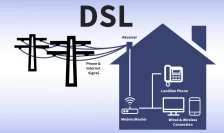
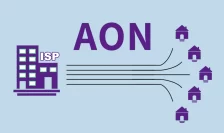
Saiba o que é DSL (Linha Digital de Assinante), como funciona e qual é a diferença entre ADSL, VDSL e outros tipos. Descubra as vantagens, limitações e o futuro da tecnologia DSL no acesso à banda larga.
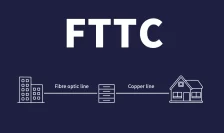
Saiba o que é FTTC (Fibra até à Calçada), como funciona, suas vantagens e desvantagens, e como se compara com FTTH e DSL. Descubra aplicações, necessidades de equipamento e tendências futuras no acesso à banda larga.
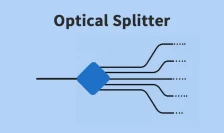
explica como os divisores ópticos permitem a FTTH, os seus tipos (FBT vs. PLC), as principais proporções e como se integram com os módulos ópticos LINK-PP para uma rede perfeita.
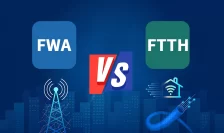
Compare as tecnologias de banda larga FTTH e FWA. Saiba quais são as diferenças em termos de velocidade, custo, implantação e casos de utilização. Descubra como os módulos SFP da LINK-PP suportam ambas as redes.
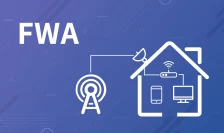
Descubra o que é FWA, como fornece banda larga através de redes sem fio 4G/5G e por que é relevante para a conectividade. Saiba quais são os seus benefícios, desafios e como os módulos SFP da LINK-PP suportam implementações fiáveis de FWA.
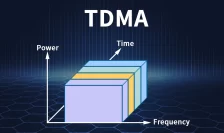
O Acesso Múltiplo por Divisão de Tempo permite que múltiplos usuários compartilhem um único canal atribuindo-lhes intervalos de tempo, garantindo chamadas nítidas e dados eficientes nas redes modernas.
Explore the differences between HDD, SSD, and NVMe drives. Learn about speed, cost, and best use cases, and see how LINK-PP connectivity solutions support storage systems.
LINK-PP Optical Modules deliver high bandwidth, low latency, and reliability for AI, IoT, and Big Data workloads in scalable, energy-efficient networks.
Learn how LINK-PP RJ45 connectors, PoE solutions, and LAN transformers enhance PTZ camera performance, providing stable power, high-speed data, and EMI protection for smart surveillance networks.
Descubra as funções essenciais dos transformadores LAN PoE e como os componentes magnéticos LINK-PP garantem energia estável e transmissão de dados Ethernet de alta velocidade.
desmistificando a proteção PON, começando com a arquitetura básica de single-homing e, em seguida, focando na redundância avançada de dual-homing do Tipo B
Reduza o consumo de energia dos transceptores ópticos com módulos eficientes, refrigeração inteligente e gerenciamento inteligente em centros de dados modernos.
O endereço IPv4 utiliza um formato numérico de 32 bits, enquanto o IPv6 oferece endereços alfanuméricos de 128 bits, maior capacidade e segurança aprimorada para redes em crescimento.
O refletômetro óptico no domínio do tempo localiza falhas, mede perdas em emendas e garante a confiabilidade dos cabos de fibra óptica para uma manutenção eficiente de rede.
Aprenda o que é a FCC, como as Partes 15 e 68 da FCC afetam dispositivos de rede e como os conectores magnéticos RJ45 LINK-PP suportam a conformidade da FCC com relação à interferência eletromagnética (EMI).
Saiba como os conectores magnéticos RJ45 possibilitam alimentação estável, sinais limpos e conexões de rede confiáveis em telefones VoIP — com soluções RJ45 prontas para PoE da LINK-PP.
What Frame Check Sequence (FCS) means, how CRC-32 detects corrupted Ethernet frames, and why FCS errors are commonly associated with cable faults, fiber issues, or optical transceiver problems.
Discover how optical cross‑connect (OXC) enables all‑optical switching in DWDM/OTN networks, with LINK‑PP SFP modules ensuring seamless integration and superior performance.
Learn what Dispersion Compensation Fiber (DCF) is, how it reduces chromatic dispersion, where it is used, and why it matters in modern optical networks.
Learn what OEO means in optical communication, how optical-electrical-optical regeneration works, and when it is used in DWDM networks and optical links. Keywords:
Discover the LQ‑SW40‑SR4C 40GBASE‑SR module: high-speed, low-power, QSFP+ optics for multimode fibre networks. Perfect for data centres and network upgrades.
Learn what hyperconverged infrastructure HCI is, how it compares with virtualization and dHCI, and when Nutanix, Sangfor, or SFP-based designs fit best.
Understand SFP+ 40km (10GBASE-ER) modules, including specs, SMF compatibility, and how to choose the right extended-reach optical transceiver for your network.