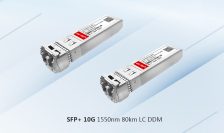
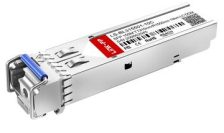
O transceptor LINK-PP 10G SFP+ LS-SM5510-80C oferece velocidade de 10,7 Gbps, alcance de 80 km, baixo consumo de energia e compatibilidade com os principais dispositivos de rede.
Os módulos transceptores SFP+ permitem transferência de dados em alta velocidade, comunicação contínua e conectividade flexível em centros de dados, apoiando redes eficientes.
Escolha o melhor transceptor LINK-PP SFP considerando tipo de cabo, distância, velocidade e compatibilidade para um desempenho de rede confiável e eficiente.
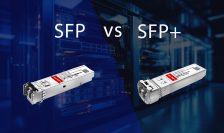
Os transceptores SFP e SFP+ diferem em velocidade, compatibilidade e uso. O SFP suporta até 1 Gbps, enquanto o SFP+ alcança até 10 Gbps para redes mais rápidas.
Os transceptores 100G SFP-DD aumentam o desempenho de redes de alta densidade com velocidades rápidas de 100 Gbps, design compacto, eficiência energética e transmissão de dados a longa distância de até 40 km.
SFP+ 10G transceivers deliver high-speed data transfer, low latency, energy efficiency, and compatibility with various devices for modern network setups.
Domine a instalação de transceptores em 5 passos simples. Aprenda como preparar, posicionar, conectar, testar e manter para garantir um desempenho de rede confiável.
Um módulo óptico converte sinais elétricos em luz para transferência rápida e confiável de dados em redes, sendo essencial para computação em nuvem, telecomunicações e centros de dados.
LINK-PP is expanding with new production lines, strategic partnerships, and innovative RJ45 connectors, driving advancements in global connectivity solutions.
What are SFP ports on a switch? Learn how SFP ports support fiber and Ethernet connections, how they compare with RJ45 and SFP+, and which module you need.
An SGMII SFP transceiver enables fast Ethernet connections over copper or fiber, supporting flexible speeds and device compatibility in modern networks.
OTN is a digital transport standard defined by ITU-T for high-capacity optical transmission. Learn how LINK-PP optical transceivers enable OTN-based connectivity.
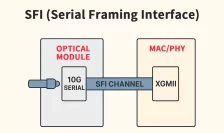
Learn how the Serial Framing Interface (SFI) enables high-speed data transmission in 10G SFP+ and 40G QSFP+ optical modules. Explore SFI channels, XGMII conversion, and module interoperability for reliable networking.
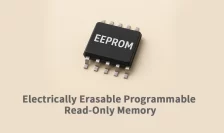
Discover how EEPROM ensures reliable configuration, superior compatibility, and lifetime flexibility in networking hardware: from RJ45 to optical modules.
Discover what IEEE means for network hardware, key standards like IEEE 802.3, and how LINK-PP delivers certified, reliable Ethernet solutions for B2B procurement.
Um circuito integrado específico para aplicações, ou ASIC, é um microchip fabricado para uma tarefa especial. Vamos mergulhar no mundo dos ASIC! Descubra exatamente o que é um ASIC.
Discover the LQ‑SW40‑SR4C 40GBASE‑SR module: high-speed, low-power, QSFP+ optics for multimode fibre networks. Perfect for data centres and network upgrades.
Learn what hyperconverged infrastructure HCI is, how it compares with virtualization and dHCI, and when Nutanix, Sangfor, or SFP-based designs fit best.
Understand SFP+ 40km (10GBASE-ER) modules, including specs, SMF compatibility, and how to choose the right extended-reach optical transceiver for your network.
Subscribe to LINK-PP
newsletter
Don’t miss anything. Get all the latest posts delivered straight to your inbox.