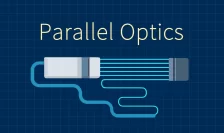
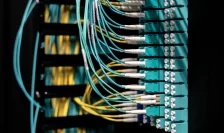
Saiba o que são ópticos paralelos, como eles possibilitam transmissão de dados de alta velocidade e como os módulos transceptores LINK-PP QSFP28 SR4 e 200/400/800G suportam essa tecnologia.
O InfiniBand é uma tecnologia de rede de alta velocidade que permite transferência rápida e de baixa latência de dados em data centers e ambientes de HPC, utilizando RDMA.
InfiniBand vs Ethernet: Compare latência, taxa de transferência, custo e escalabilidade para escolher a melhor solução de rede para as necessidades do seu data center.
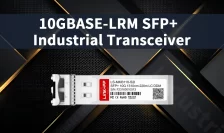
O Transceptor Industrial 10GBASE-LRM Suporta 10,3 Gbps, Alcance de 220 m em Fibra Multimodo (MMF), Temperatura Industrial (–40~85 °C) e Total Compatibilidade com Cisco, Arista, Dell e H3C.
Uma rede de tronco conecta sub-redes com fibras ópticas de alta velocidade, garantindo transmissão rápida e confiável de dados entre cidades, regiões e países.
Compare os módulos sfp28-25g-esr e sfp28-25g-sr para redes 25G. Veja as principais diferenças em distância, tipo de fibra e melhores casos de uso para data centers.
Resumo de Perguntas Frequentes sobre módulos ópticos: respostas sobre tipos, compatibilidade, projeto, solução de problemas e glossário para atualizações e manutenção de redes em 2025.
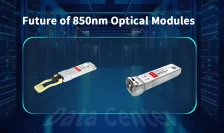
Explore o futuro dos módulos ópticos de 850 nm nos centros de dados, abrangendo os avanços em SR8/SR16, óptica paralela e o impacto da adoção de fibra monomodo.
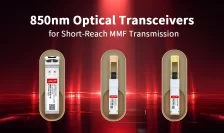
Os módulos ópticos de 850 nm 10GBASE-SR, 40GBASE-SR4, 100GBASE-SR4 e 400GBASE-SR8 são a escolha mais confiável e econômica para conexões em fibra multimodo de curto alcance.
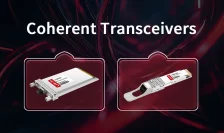
Transceptores coerentes utilizam fase, amplitude e polarização para oferecer transmissão de dados de alta velocidade e longa distância, com qualidade de sinal aprimorada.
Filter FWDM combines or separates light wavelengths in optical networks, optimizing bandwidth, reducing costs, and enabling high-speed data transmission.
Gain basic knowledge of LAN WDM, a technology optimizing data transmission in LANs with high-speed, low-latency connectivity for modern networks in 2025.
O 10G PON oferece velocidades de até 10 Gbps utilizando fibra óptica avançada, garantindo internet confiável e de alta velocidade para residências, empresas e aplicações modernas.
A criptografia óptica protege redes de alta velocidade criptografando os sinais ópticos brutos, garantindo baixa latência, proteção robusta de dados e segurança pronta para o futuro.
O 50G PON oferece velocidades de 50Gbps, baixa latência e escalabilidade, permitindo uma banda larga sem falhas para jogos em nuvem, transporte 5G e redes prontas para o futuro até 2025.
What Frame Check Sequence (FCS) means, how CRC-32 detects corrupted Ethernet frames, and why FCS errors are commonly associated with cable faults, fiber issues, or optical transceiver problems.
Discover how optical cross‑connect (OXC) enables all‑optical switching in DWDM/OTN networks, with LINK‑PP SFP modules ensuring seamless integration and superior performance.
Learn what Dispersion Compensation Fiber (DCF) is, how it reduces chromatic dispersion, where it is used, and why it matters in modern optical networks.
Learn what OEO means in optical communication, how optical-electrical-optical regeneration works, and when it is used in DWDM networks and optical links. Keywords:
Discover the LQ‑SW40‑SR4C 40GBASE‑SR module: high-speed, low-power, QSFP+ optics for multimode fibre networks. Perfect for data centres and network upgrades.
Learn what hyperconverged infrastructure HCI is, how it compares with virtualization and dHCI, and when Nutanix, Sangfor, or SFP-based designs fit best.
Understand SFP+ 40km (10GBASE-ER) modules, including specs, SMF compatibility, and how to choose the right extended-reach optical transceiver for your network.
Subscribe to LINK-PP
newsletter
Don’t miss anything. Get all the latest posts delivered straight to your inbox.