Что такое порты SFP на коммутаторе? Узнайте, как порты SFP поддерживают оптоволоконные и Ethernet-соединения, чем они отличаются от портов RJ45 и SFP+, а также какой модуль вам нужен.
Узнайте, что такое SFP-соединение, почему оно может не работать, и как устранить проблемы совместимости, кабельных подключений и нестабильного соединения с помощью практических проверок и чётких пошаговых инструкций.
Оптические трансиверы в БПЛА обеспечивают высокоскоростную, защищённую и малозадерживающую связь дронов для передачи видеоданных в реальном времени, телеметрии и критически важных миссионных данных.
Узнайте о предельном количестве циклов вставки горячеподключаемых оптических модулей и получите рекомендации по их эксплуатации — включая безопасную работу с электростатическим разрядом (ESD), защиту от пыли и управление температурой.
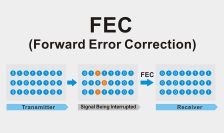
Понимание того, что такое CRC, как возникают ошибки циклической избыточной проверки, как их устранять и почему CRC имеет значение в сетях, системах хранения и модулях SFP.
Что означает последовательность проверки кадра (FCS), как CRC-32 обнаруживает повреждённые кадры Ethernet и почему ошибки FCS часто связаны с неисправностями кабелей, проблемами волоконно-оптических линий или оптическими трансиверами.
Ознакомьтесь с модулем LQ‑SW40‑SR4C 40GBASE‑SR: высокоскоростные, энергоэффективные оптические модули форм-фактора QSFP+ для сетей на многомодовом волокне. Идеально подходит для центров обработки данных и модернизации сетей.
Узнайте, как оптические кросс-коннекты (OXC) обеспечивают полностью оптичесную коммутацию в сетях DWDM/OTN, а модули LINK‑PP SFP гарантируют бесшовную интеграцию и превосходную производительность.
Узнайте, как работает EML в оптических модулях, почему он критически важен для высокоскоростных соединений на большие расстояния и как LINK‑PP предлагает оптические трансиверы на основе EML.
Discover how optical modules (SFP, QSFP, CWDM) enable high-speed, long-distance communication in GPU clusters for AI training and HPC. Explore LINK-PP solutions for reliable cluster networking.
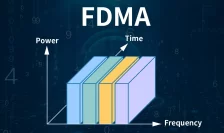
Frequency Division Multiple Access assigns each user a unique frequency band, enabling clear, simultaneous communication in phones, radios, and satellites.
Broadband is the internet service itself, while WiFi is the wireless technology that distributes it. Learn their differences and how LINK-PP’s optical transceivers enhance broadband performance.
Discover how optical transceivers power broadband networks by enabling high-speed fiber data, low latency, and scalable infrastructure with LINK-PP solutions.
explains how optical splitters enable FTTH, their types (FBT vs. PLC), key ratios, and how they integrate with LINK-PP optical modules for a seamless network.
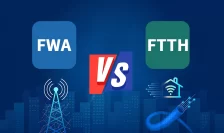
Compare FTTH and FWA broadband technologies. Learn their differences in speed, cost, deployment, and use cases. Discover how LINK-PP SFP modules support both networks.
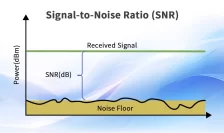
SNR, or signal-to-noise ratio, measures signal strength versus noise. High SNR means clearer audio, images, and data for better overall signal quality.
Learn what an Ethernet PHY is, how it connects MAC to network medium, core functions, signal types, and how it pairs with LINK‑PP Magnetics for Ethernet design.
Turns ratio in LAN transformers defines the winding relationship, typically 1:1, ensuring signal integrity, voltage stability, and Ethernet compliance.
Non-Return-to-Zero (NRZ) is a digital encoding method using two voltage levels for binary data, offering simplicity and efficiency in digital communication.
Complete guide to GLC-SX-MMD 1000BASE-SX SFP module: specs, MMF vs SMF, DOM features, compatibility, and best alternatives for cost-effective deployment.
Learn how compatible transceivers work and how to ensure switch compatibility. Avoid SFP errors, vendor locks, and choose the right module confidently.
Learn the SFP28 standard, including its 25G capabilities, SFP28 vs. SFP+ differences, fiber and copper options, and how to choose the right 25G solution.
Learn how a 1000BASE-T SFP transceiver module works with Category 5 copper wire, including compatibility limits, heat issues, and real-world deployment tips.
Подпишитесь на LINK-PP
рассылка
Не пропустите ничего важного. Получайте все новые публикации прямо на свой электронный адрес.