Что такое порты SFP на коммутаторе? Узнайте, как порты SFP поддерживают оптоволоконные и Ethernet-соединения, чем они отличаются от портов RJ45 и SFP+, а также какой модуль вам нужен.
Узнайте, что такое SFP-соединение, почему оно может не работать, и как устранить проблемы совместимости, кабельных подключений и нестабильного соединения с помощью практических проверок и чётких пошаговых инструкций.
Оптические трансиверы в БПЛА обеспечивают высокоскоростную, защищённую и малозадерживающую связь дронов для передачи видеоданных в реальном времени, телеметрии и критически важных миссионных данных.
Узнайте о предельном количестве циклов вставки горячеподключаемых оптических модулей и получите рекомендации по их эксплуатации — включая безопасную работу с электростатическим разрядом (ESD), защиту от пыли и управление температурой.
Понимание того, что такое CRC, как возникают ошибки циклической избыточной проверки, как их устранять и почему CRC имеет значение в сетях, системах хранения и модулях SFP.
Что означает последовательность проверки кадра (FCS), как CRC-32 обнаруживает повреждённые кадры Ethernet и почему ошибки FCS часто связаны с неисправностями кабелей, проблемами волоконно-оптических линий или оптическими трансиверами.
Ознакомьтесь с модулем LQ‑SW40‑SR4C 40GBASE‑SR: высокоскоростные, энергоэффективные оптические модули форм-фактора QSFP+ для сетей на многомодовом волокне. Идеально подходит для центров обработки данных и модернизации сетей.
Узнайте, как оптические кросс-коннекты (OXC) обеспечивают полностью оптичесную коммутацию в сетях DWDM/OTN, а модули LINK‑PP SFP гарантируют бесшовную интеграцию и превосходную производительность.
Узнайте, как работает EML в оптических модулях, почему он критически важен для высокоскоростных соединений на большие расстояния и как LINK‑PP предлагает оптические трансиверы на основе EML.
Explore the critical challenges of optical module housings in the 400G/800G era: heat management, material limits, signal integrity, and how innovation tackles them.
Discover the role of optical module housings in data centers & 5G. Learn about materials like ceramics & alloys, thermal challenges, and explore Link-PP's optical transceivers.
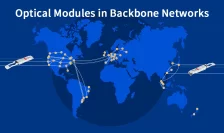
Discover how optical modules power backbone networks: high-speed data, reliability, LINK-PP advantages, and procurement tips for data centers and carriers.
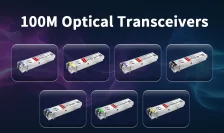
100M Optical Module enables fast, reliable connections for offices, factories, security, and telecom networks, supporting efficient short-distance data transfer.
OTN is a digital transport standard defined by ITU-T for high-capacity optical transmission. Learn how LINK-PP optical transceivers enable OTN-based connectivity.
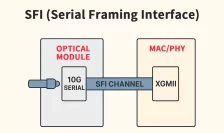
Learn how the Serial Framing Interface (SFI) enables high-speed data transmission in 10G SFP+ and 40G QSFP+ optical modules. Explore SFI channels, XGMII conversion, and module interoperability for reliable networking.
Discover how EEPROM ensures reliable configuration, superior compatibility, and lifetime flexibility in networking hardware: from RJ45 to optical modules.
Discover what IEEE means for network hardware, key standards like IEEE 802.3, and how LINK-PP delivers certified, reliable Ethernet solutions for B2B procurement.
An application-specific integrated circuit, or ASIC, is a microchip made for a special job. Let's dive into the world of ASIC! Discover what exactly is an ASIC.
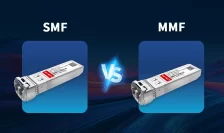
Complete guide to GLC-SX-MMD 1000BASE-SX SFP module: specs, MMF vs SMF, DOM features, compatibility, and best alternatives for cost-effective deployment.
Learn how compatible transceivers work and how to ensure switch compatibility. Avoid SFP errors, vendor locks, and choose the right module confidently.
Learn how a 1000BASE-T SFP transceiver module works with Category 5 copper wire, including compatibility limits, heat issues, and real-world deployment tips.
Learn the SFP28 standard, including its 25G capabilities, SFP28 vs. SFP+ differences, fiber and copper options, and how to choose the right 25G solution.
Подпишитесь на LINK-PP
рассылка
Не пропустите ничего важного. Получайте все новые публикации прямо на свой электронный адрес.