ยินดีต้อนรับสู่ชุมชน LINK-PP

บทความเพิ่มเติม

พอร์ต SFP บนสวิตช์คืออะไร? เรียนรู้วิธีที่พอร์ต SFP รองรับการเชื่อมต่อแบบไฟเบอร์และอีเธอร์เน็ต วิธีเปรียบเทียบกับพอร์ต RJ45 และพอร์ต SFP+ รวมถึงโมดูลที่คุณต้องการ.
เรียนรู้ว่าการเชื่อมต่อ SFP คืออะไร ทำไมจึงล้มเหลว และวิธีแก้ไขปัญหาความเข้ากันได้ สายเคเบิล และปัญหาการลัดวงจรของลิงก์ ด้วยการตรวจสอบที่ใช้งานได้จริงและขั้นตอนที่ชัดเจน.
ตัวส่ง-รับสัญญาณแสงใน UAV ช่วยให้การสื่อสารโดรนเป็นไปอย่างรวดเร็ว มีความปลอดภัย และมีความหน่วงต่ำ เพื่อส่งวิดีโอแบบเรียลไทม์ ข้อมูลเทเลเมตรี และข้อมูลสำคัญต่อภารกิจ.
สำรวจเทคโนโลยีที่อยู่เบื้องหลังตัวส่ง-รับสัญญาณแสง QSFP‑DD 400 G รวมถึงรูปร่างหน้าตา วิธีการมอดูเลต ช่องสัญญาณแสง และการออกแบบระบบระบายความร้อน.
เข้าใจขีดจำกัดจำนวนรอบการเสียบ-ถอดของโมดูลแสงแบบเสียบ-ถอดขณะทำงาน และเรียนรู้คำแนะนำในการดูแลรักษา รวมถึงการจัดการไฟฟ้าสถิตย์ (ESD) อย่างปลอดภัย การป้องกันฝุ่น และการจัดการความร้อน.
เข้าใจว่า CRC คืออะไร ข้อผิดพลาดการตรวจสอบซ้ำแบบวงจรเกิดขึ้นได้อย่างไร วิธีการแก้ไข และเหตุใด CRC จึงมีความสำคัญในเครือข่าย ระบบจัดเก็บข้อมูล และโมดูล SFP.
ความหมายของ Frame Check Sequence (FCS), วิธีที่ CRC-32 ตรวจจับเฟรมอีเธอร์เน็ตที่เสียหาย และเหตุใดข้อผิดพลาด FCS จึงมักเกี่ยวข้องกับปัญหาสายเคเบิล ปัญหาไฟเบอร์ หรือปัญหาทรานส์ซีเวอร์แบบออปติคัล.
ค้นพบโมดูล LQ‑SW40‑SR4C 40GBASE‑SR: อุปกรณ์ออปติคัลความเร็วสูง ใช้พลังงานต่ำ แบบ QSFP+ สำหรับเครือข่ายไฟเบอร์มัลติโหมด เหมาะอย่างยิ่งสำหรับศูนย์ข้อมูลและการอัปเกรดเครือข่าย.
ค้นพบวิธีที่ Optical Cross‑Connect (OXC) ทำให้เกิดการสลับสัญญาณแบบออปติคัลทั้งหมดในเครือข่าย DWDM/OTN โดยโมดูล LINK‑PP SFP ช่วยให้การบูรณาการเป็นไปอย่างราบรื่นและให้ประสิทธิภาพเหนือระดับ.
ค้นพบวิธีการทำงานของ EML ในโมดูลออปติคัล เหตุใดจึงสำคัญต่อการเชื่อมต่อความเร็วสูงและระยะไกล และ LINK‑PP นำเสนอทรานส์ซีเวอร์ออปติคัลที่ใช้เทคโนโลยี EML อย่างไร.
On-Board Optics boosts data speed, power efficiency, and channel density for data centers, supercomputers, and advanced network systems.
Pluggable optics enable flexible, cost-effective network upgrades and high-speed connections, with linear pluggable optics boosting AI and data center performance.
Optical networking delivers high speed, security, and scalability for private and hybrid cloud deployments, ensuring reliable and efficient data connectivity.
Optimize AI Fabrics with advanced optical transceivers for faster, reliable GPU-to-GPU communication, improved efficiency, and scalable performance.
Signal integrity and low latency in data center transceivers ensure reliable, error-free data transmission and optimal performance for real-time applications.
เรียนรู้วิธีที่ IPC อุตสาหกรรมใช้คัจภัณฑ์ LINK-PP SFP/SFP+ เพื่อสร้างการเชื่อมต่อแบบไฟเบอร์ออปติกความเร็วสูงและป้องกันการรบกวนแม่เหล็กไฟฟ้า (EMI) สำหรับ PLC และเครือข่าย边缘 Ideal for Industry 4.0 และโรงงานอัจฉริยะ.
Explore how an Industrial PC (IPC) reliably communicates with a PLC using LINK-PP integrated RJ45 connectors for robust isolation and EMI resilience in industrial Ethernet networks.
Green optical transceivers cut energy use and waste, helping your sustainable data center lower costs and reduce its environmental footprint.
Lowering power use in optical transceivers boosts data center ROI by cutting energy costs, improving efficiency, and supporting sustainable growth.
NPO vs CPO: Compare optics placement, data speed, upgrade flexibility, and power efficiency for your data center needs.
Power Over Ethernet (PoE) combines power and data delivery via a single cable, simplifying installations for devices like IP cameras, VoIP phones, and IoT systems.
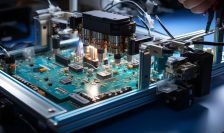
PCBA stands for Printed Circuit Board Assembly. It's essentially a bare PCB that has had all the necessary electronic components soldered onto it.
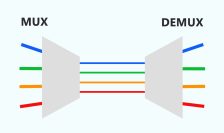
Wavelength Division Multiplexing (WDM) uses optical transceiver modules to send multiple data streams through a single fiber, boosting bandwidth and efficiency.
The TOSA is a critical component in optical transceivers, converting electrical signals into optical signals for high-speed fiber optic communication.
The Receiver Optical Sub-Assembly (ROSA) is a critical optoelectronic component in Optical Tranceivers, responsible for converting incoming optical signals into
DDM/DOM in optical transceivers provides real-time monitoring of key parameters like temperature and power, ensuring network reliability and early issue detection.
เรียนรู้ทุกอย่างเกี่ยวกับทรานซีฟเวอร์ SFP ไฟฟ้า รวมถึงคำจำกัดความ การเปรียบเทียบกับ SFP ไฟเบอร์ การใช้งาน การแก้ไขปัญหา และความเข้ากันได้.
Explore Copper SFP vs. Fiber SFP differences, performance, compatibility, and cost. Learn how to choose the right SFP module for home labs, data centers, and PoE networks.
Learn how multimode SFP+ (10GBASE-SR) transceivers work, including fiber types, transmission distance, specifications, and common data center use cases.
Learn what a 1000BASE-T Copper SFP is, how RJ45 SFP modules work, when to use copper SFP instead of fiber, compatibility issues, and common troubleshooting tips.
สำรวจคุณสมบัติ การประยุกต์ใช้งาน และคู่มือการเลือกใช้ทรานส์ซีเวอร์แสงแบบ SFP+ 10G โหมดเดี่ยว 1310 นาโนเมตร ระยะทาง 10 กม. แบบหัวต่อ LC สำหรับศูนย์ข้อมูลและเครือข่ายองค์กร.
Understand what a third-party SFP is, how compatible optics work with Cisco, Juniper, and Arista switches, and the cost, risks, and buying tips for reliable network deployments.
คู่มือเทคนิคฉบับสมบูรณ์สำหรับทรานส์ซีเวอร์ SFP-10GLR-31 ครอบคลุมข้อมูลจำเพาะ 10GBASE-LR ความยาวคลื่น ความเข้ากันได้กับเส้นใย ความสามารถในการรองรับสวิตช์ และสถานการณ์การติดตั้งจริง.
A technical guide to SFP+ 100km optics, explaining 10GBASE-ZR modules, optical link budgets, DWDM solutions, and real-world deployment tips for long-distance fiber networks.
Explain what a 100km SFP transceiver is, how ER and ZR differ, required wavelength, optical budget calculation, and whether amplification is needed for long-haul fiber links.
Complete guide to long distance transceivers covering 10km to 120km optics, 1310nm vs 1550nm, ER/ZR modules, link budget calculation, and deployment best practices.

เพิ่มข้อความหัวเรื่องของคุณที่นี่