ยินดีต้อนรับสู่ชุมชน LINK-PP

บทความเพิ่มเติม

พอร์ต SFP บนสวิตช์คืออะไร? เรียนรู้วิธีที่พอร์ต SFP รองรับการเชื่อมต่อแบบไฟเบอร์และอีเธอร์เน็ต วิธีเปรียบเทียบกับพอร์ต RJ45 และพอร์ต SFP+ รวมถึงโมดูลที่คุณต้องการ.
เรียนรู้ว่าการเชื่อมต่อ SFP คืออะไร ทำไมจึงล้มเหลว และวิธีแก้ไขปัญหาความเข้ากันได้ สายเคเบิล และปัญหาการลัดวงจรของลิงก์ ด้วยการตรวจสอบที่ใช้งานได้จริงและขั้นตอนที่ชัดเจน.
ตัวส่ง-รับสัญญาณแสงใน UAV ช่วยให้การสื่อสารโดรนเป็นไปอย่างรวดเร็ว มีความปลอดภัย และมีความหน่วงต่ำ เพื่อส่งวิดีโอแบบเรียลไทม์ ข้อมูลเทเลเมตรี และข้อมูลสำคัญต่อภารกิจ.
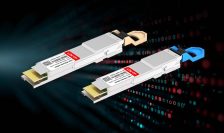
สำรวจเทคโนโลยีที่อยู่เบื้องหลังตัวส่ง-รับสัญญาณแสง QSFP‑DD 400 G รวมถึงรูปร่างหน้าตา วิธีการมอดูเลต ช่องสัญญาณแสง และการออกแบบระบบระบายความร้อน.
เข้าใจขีดจำกัดจำนวนรอบการเสียบ-ถอดของโมดูลแสงแบบเสียบ-ถอดขณะทำงาน และเรียนรู้คำแนะนำในการดูแลรักษา รวมถึงการจัดการไฟฟ้าสถิตย์ (ESD) อย่างปลอดภัย การป้องกันฝุ่น และการจัดการความร้อน.
เข้าใจว่า CRC คืออะไร ข้อผิดพลาดการตรวจสอบซ้ำแบบวงจรเกิดขึ้นได้อย่างไร วิธีการแก้ไข และเหตุใด CRC จึงมีความสำคัญในเครือข่าย ระบบจัดเก็บข้อมูล และโมดูล SFP.
ความหมายของ Frame Check Sequence (FCS), วิธีที่ CRC-32 ตรวจจับเฟรมอีเธอร์เน็ตที่เสียหาย และเหตุใดข้อผิดพลาด FCS จึงมักเกี่ยวข้องกับปัญหาสายเคเบิล ปัญหาไฟเบอร์ หรือปัญหาทรานส์ซีเวอร์แบบออปติคัล.
ค้นพบโมดูล LQ‑SW40‑SR4C 40GBASE‑SR: อุปกรณ์ออปติคัลความเร็วสูง ใช้พลังงานต่ำ แบบ QSFP+ สำหรับเครือข่ายไฟเบอร์มัลติโหมด เหมาะอย่างยิ่งสำหรับศูนย์ข้อมูลและการอัปเกรดเครือข่าย.
ค้นพบวิธีที่ Optical Cross‑Connect (OXC) ทำให้เกิดการสลับสัญญาณแบบออปติคัลทั้งหมดในเครือข่าย DWDM/OTN โดยโมดูล LINK‑PP SFP ช่วยให้การบูรณาการเป็นไปอย่างราบรื่นและให้ประสิทธิภาพเหนือระดับ.
ค้นพบวิธีการทำงานของ EML ในโมดูลออปติคัล เหตุใดจึงสำคัญต่อการเชื่อมต่อความเร็วสูงและระยะไกล และ LINK‑PP นำเสนอทรานส์ซีเวอร์ออปติคัลที่ใช้เทคโนโลยี EML อย่างไร.
Explores the types of lasers used in optical modules, DFB, FP, VCSEL & EML lasers comparison. Learn applications, and how to choose the right type.
QSFP-DD Optical Transceivers deliver up to 800Gbps speeds, offering high bandwidth, energy efficiency, and compatibility for modern networks and data centers.
About LINK-PP: A global leader in magnetic components, offering high-quality RJ45 Connectors, LAN Transformers, and Optical Transceivers for reliable networks.
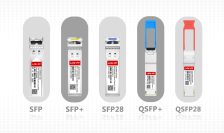
Compare SFP, SFP+, SFP28, QSFP+, and QSFP28 optical transceivers. Learn how form factors affect speed, compatibility, and performance in modern networks.
LINK-PP Fiber Optical Transceiver Modules offer high-speed data transfer, durability, compatibility, and cost-effective solutions for reliable network performance.
Systematic classification of optical modules by data rate, form factor, transmission distance, and fiber type.
In this blog, we’ll explore the core structure of an optical transceiver, explaining the function of each part and how they work together.
This article provides a professional guide on transceiver pull tab color codes by wavelength—spanning SFP, SFP+, CWDM, and BiDi modules—and introduces how LINK-
Optical transceivers convert electrical signals into light, transmitting data through fiber optic cables with high speed, reliability, and minimal loss.
A BiDi transceiver uses WDM technology to send and receive data over one fiber, reducing costs, simplifying networks, and enhancing efficiency.
Power Over Ethernet (PoE) combines power and data delivery via a single cable, simplifying installations for devices like IP cameras, VoIP phones, and IoT systems.
PCBA stands for Printed Circuit Board Assembly. It's essentially a bare PCB that has had all the necessary electronic components soldered onto it.
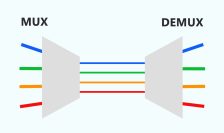
Wavelength Division Multiplexing (WDM) uses optical transceiver modules to send multiple data streams through a single fiber, boosting bandwidth and efficiency.
The TOSA is a critical component in optical transceivers, converting electrical signals into optical signals for high-speed fiber optic communication.
The Receiver Optical Sub-Assembly (ROSA) is a critical optoelectronic component in Optical Tranceivers, responsible for converting incoming optical signals into
DDM/DOM in optical transceivers provides real-time monitoring of key parameters like temperature and power, ensuring network reliability and early issue detection.
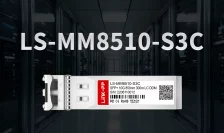
LINK-PP LS-MM8510-S3C Optical Transceiver matches Aruba J9150D in speed, compatibility, and reliability, offering a cost-effective, seamless replacement.
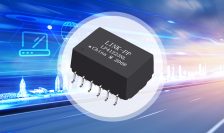
Discover the LINK-PP LP41223NL PoE+ Magnetics Transformer for 10/100 Base-T Ethernet. High isolation, low loss, and ideal for PoE/PoE+ network devices.
LPJG16314A4NL Single Port RJ45 Connector offers integrated magnetics, EMI shielding, and LED indicators for reliable 10/100/1000 Base-T Ethernet.
Discover how LINK-PP’s high-performance SFP/SFP+ transceivers enable low-latency, scalable connectivity for modern databases and data centers. Explore technical specs, use cases, and integration tips.
LP82444NL PoE LAN Transformer boosts network reliability, signal integrity, and power delivery for efficient, safe, and high-speed modern Ethernet applications.
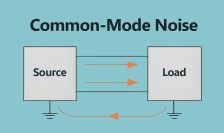
Understand common-mode noise: what it is, how it affects Ethernet/EMI, and how to suppress it using magnetics and filters. A practical guide for engineers.
Learn how Integrated Circuits (ICs) work with LINK-PP products such as RJ45 connectors, LAN transformers, and optical transceivers. Explore applications in Ethernet, PoE, and data centers.
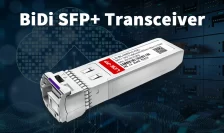
BiDi SFP+ Transceiver LS-BL495510-A0C offers 100km reach, fiber savings, and easy installation for reliable long-distance network connections.
Compare 10G SFP+ LR and 25G SFP28 LR 1310nm transceivers for 10 km SMF links. Learn differences in throughput, power, laser type, cost and when to upgrade. Explore LINK-PP models.

Learn what the SFF-8436 specification is, how it defines QSFP+ transceivers, and why it matters for 40G Ethernet, InfiniBand, and Fibre Channel.
เพิ่มข้อความหัวเรื่องของคุณที่นี่