What are SFP ports on a switch? Learn how SFP ports support fiber and Ethernet connections, how they compare with RJ45 and SFP+, and which module you need.
What Frame Check Sequence (FCS) means, how CRC-32 detects corrupted Ethernet frames, and why FCS errors are commonly associated with cable faults, fiber issues, or optical transceiver problems.
Discover the LQ‑SW40‑SR4C 40GBASE‑SR module: high-speed, low-power, QSFP+ optics for multimode fibre networks. Perfect for data centres and network upgrades.
What are SFP ports on a switch? Learn how SFP ports support fiber and Ethernet connections, how they compare with RJ45 and SFP+, and which module you need.
What Frame Check Sequence (FCS) means, how CRC-32 detects corrupted Ethernet frames, and why FCS errors are commonly associated with cable faults, fiber issues, or optical transceiver problems.
Discover the LQ‑SW40‑SR4C 40GBASE‑SR module: high-speed, low-power, QSFP+ optics for multimode fibre networks. Perfect for data centres and network upgrades.
Discover how optical cross‑connect (OXC) enables all‑optical switching in DWDM/OTN networks, with LINK‑PP SFP modules ensuring seamless integration and superior performance.
Tìm hiểu cách tháo mô-đun SFP khỏi bộ chuyển mạch một cách an toàn và chính xác. Hướng dẫn từng bước bao gồm hoán đổi nóng (hot swap), các loại chốt khóa (latch), xử lý mô-đun bị kẹt và bảo vệ chống tĩnh điện (ESD).
Tìm hiểu cách chọn mô-đun SFP phù hợp dựa trên tính tương thích, tốc độ, loại cáp quang, bước sóng và khoảng cách. Hướng dẫn thực tiễn dành cho kỹ sư và người mua IT.
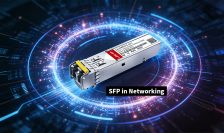
Hướng dẫn toàn diện về SFP trong mạng máy tính, bao gồm chức năng, nguyên lý hoạt động, các loại mô-đun, kịch bản triển khai, tính tương thích và các tiêu chuẩn kỹ thuật cho mạng cáp quang hiện đại.
Tìm hiểu SFP là viết tắt của gì trong mạng máy tính, ý nghĩa đầy đủ, các tiêu chuẩn kỹ thuật, ứng dụng và sự khác biệt so với SFP+ và GBIC trong hướng dẫn chuyên sâu này.
Hướng dẫn toàn diện về SFP BiDi: tìm hiểu các bộ thu phát hai chiều trên sợi đơn, ghép bước sóng, tính toán ngân sách liên kết, khả năng tương thích và các thực tiễn triển khai tốt nhất.
Hướng dẫn tác giả về bước sóng SFP: So sánh ứng dụng của 850nm, 1310nm và 1550nm; ảnh hưởng đến ngân sách liên kết (link budget); lựa chọn giữa đa mode và đơn mode; khả năng tương tác (interoperability); và danh sách kiểm tra (checklist).
Hướng dẫn toàn diện về tính tương thích SFP, bao gồm khớp tốc độ dữ liệu, lựa chọn bước sóng, tính toán ngân sách công suất, mã hóa EEPROM, xác thực firmware và khóa nhà cung cấp (vendor locking).
Tổng quan các loại SFP+: So sánh các mô-đun quang học, đồng và kết nối trực tiếp (direct attach), các đặc điểm, khoảng cách hỗ trợ và tính tương thích nhằm tối ưu hiệu năng mạng.
QSFP-DD là gì? QSFP-DD hỗ trợ Ethernet tốc độ cao với mật độ kép (double density), khả năng tương thích ngược và băng thông lên tới 800G cho trung tâm dữ liệu hiện đại.
Hệ thống Tên Miền (DNS) chuyển đổi tên miền thành địa chỉ IP, cho phép các thiết bị kết nối với các trang web và dịch vụ một cách nhanh chóng và đáng tin cậy trên Internet.
Khám phá cách các hệ thống điều khiển phân tán (DCS) trao quyền cho tự động hóa công nghiệp thông qua các vòng điều khiển đáng tin cậy, giám sát thời gian thực và nâng cao hiệu quả quy trình — yếu tố then chốt đối với các nhà máy hiện đại.
Bộ giám sát Kênh Quang đo công suất kênh, bước sóng và tỷ số tín hiệu trên nhiễu quang (OSNR) trong các mạng cáp quang, đảm bảo hiệu suất đáng tin cậy và phát hiện sự cố nhanh chóng.
Tìm hiểu Đơn vị Đầu cuối Từ xa (RTU) là gì, cách chúng hoạt động trong các hệ thống SCADA, các giao thức chính (Modbus, DNP3, IEC), thực hành an ninh mạng và các cân nhắc về phần cứng Ethernet công nghiệp.
Định Tuyến Ảo và Chuyển Tiếp (VRF) cho phép nhiều bảng định tuyến riêng tư trên một thiết bị, từ đó nâng cao bảo mật mạng, phân đoạn mạng và quản lý lưu lượng.
Khám phá cách Mạng Nhạy Thời Gian (TSN – Time-Sensitive Networking) mang đến khả năng truyền dữ liệu xác định, độ trễ thấp và độ tin cậy cao cho các mạng Ethernet trong Cách mạng Công nghiệp 4.0 và ngành ô tô.
SSL mã hóa dữ liệu giữa trình duyệt của bạn và các trang web, đảm bảo tính riêng tư và bảo mật. Chứng chỉ SSL xác minh danh tính trang web và bảo vệ thông tin nhạy cảm.
Giao thức Dữ liệu Người dùng (UDP) cho phép truyền dữ liệu nhanh, không kết nối cho các ứng dụng thời gian thực như phát trực tuyến, trò chơi và DNS, ưu tiên tốc độ hơn độ tin cậy.
Mạch tích hợp quang học sử dụng ánh sáng để truyền dữ liệu, mang lại tốc độ nhanh hơn, tiêu thụ điện năng thấp hơn và kết nối đáng tin cậy hơn cho các mạng hiện đại.
Giao thức Truyền tải Siêu văn bản (HTTP) cho phép duyệt web nhanh bằng cách cho phép trình duyệt và máy chủ trao đổi văn bản, hình ảnh và video một cách an toàn và hiệu quả.
Discover the LQ‑SW40‑SR4C 40GBASE‑SR module: high-speed, low-power, QSFP+ optics for multimode fibre networks. Perfect for data centres and network upgrades.
Learn what hyperconverged infrastructure HCI is, how it compares with virtualization and dHCI, and when Nutanix, Sangfor, or SFP-based designs fit best.
Understand SFP+ 40km (10GBASE-ER) modules, including specs, SMF compatibility, and how to choose the right extended-reach optical transceiver for your network.