What are SFP ports on a switch? Learn how SFP ports support fiber and Ethernet connections, how they compare with RJ45 and SFP+, and which module you need.
What Frame Check Sequence (FCS) means, how CRC-32 detects corrupted Ethernet frames, and why FCS errors are commonly associated with cable faults, fiber issues, or optical transceiver problems.
Discover the LQ‑SW40‑SR4C 40GBASE‑SR module: high-speed, low-power, QSFP+ optics for multimode fibre networks. Perfect for data centres and network upgrades.
What are SFP ports on a switch? Learn how SFP ports support fiber and Ethernet connections, how they compare with RJ45 and SFP+, and which module you need.
What Frame Check Sequence (FCS) means, how CRC-32 detects corrupted Ethernet frames, and why FCS errors are commonly associated with cable faults, fiber issues, or optical transceiver problems.
Discover the LQ‑SW40‑SR4C 40GBASE‑SR module: high-speed, low-power, QSFP+ optics for multimode fibre networks. Perfect for data centres and network upgrades.
Discover how optical cross‑connect (OXC) enables all‑optical switching in DWDM/OTN networks, with LINK‑PP SFP modules ensuring seamless integration and superior performance.
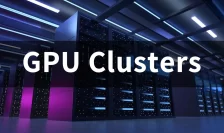
Tìm hiểu cách các module quang (SFP, QSFP, CWDM) hỗ trợ giao tiếp tốc độ cao, khoảng cách xa trong các cụm GPU dành cho huấn luyện AI và điện toán hiệu năng cao (HPC). Khám phá các giải pháp của LINK-PP nhằm đảm bảo mạng cụm đáng tin cậy.
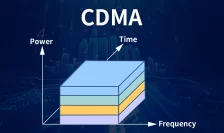
Công nghệ truy cập đa điểm phân chia theo mã cho phép nhiều người dùng chia sẻ cùng một dải tần số bằng cách sử dụng các mã riêng biệt, đảm bảo truyền thông không dây an toàn và rõ ràng.
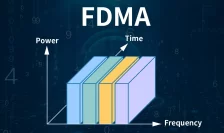
Công nghệ truy cập đa điểm phân chia theo tần số (FDMA) gán cho mỗi người dùng một dải tần số riêng biệt, cho phép truyền thông rõ ràng và đồng thời trên điện thoại, radio và vệ tinh.
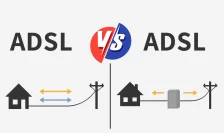
So sánh broadband ADSL và VDSL. Tìm hiểu những khác biệt chính về tốc độ, hiệu năng và ứng dụng để lựa chọn công nghệ DSL phù hợp nhất với nhu cầu của bạn.
Broadband là dịch vụ internet bản thân nó, trong khi WiFi là công nghệ không dây phân phối dịch vụ đó. Tìm hiểu sự khác biệt giữa chúng và cách các bộ thu phát quang của LINK-PP nâng cao hiệu năng broadband.
Khám phá cách các bộ thu phát quang vận hành mạng broadband bằng cách kích hoạt truyền dữ liệu sợi quang tốc độ cao, độ trễ thấp và cơ sở hạ tầng có khả năng mở rộng với các giải pháp của LINK-PP.
Các mạng quang chủ động cung cấp các đường cáp quang riêng biệt và thiết bị có nguồn điện nhằm đảm bảo kết nối internet riêng tư, đáng tin cậy và tốc độ cao.
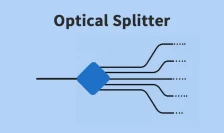
Giải thích cách bộ chia quang hỗ trợ triển khai FTTH, các loại bộ chia (FBT so với PLC), các tỷ lệ chính và cách chúng tích hợp với các module quang LINK-PP để tạo thành một mạng lưới liền mạch.
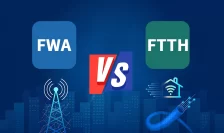
So sánh công nghệ băng thông rộng FTTH và FWA. Tìm hiểu sự khác biệt giữa hai công nghệ này về tốc độ, chi phí, phương thức triển khai và các trường hợp sử dụng. Khám phá cách các module SFP của LINK-PP hỗ trợ cả hai mạng lưới.
Các mạng quang thụ động sử dụng cáp quang và bộ chia không cần nguồn để cung cấp kết nối internet nhanh chóng, đáng tin cậy từ nhà cung cấp đến nhiều người dùng một cách hiệu quả.
Mạng dựa trên ý định tự động hóa việc quản lý mạng, đồng bộ hóa các hoạt động với mục tiêu kinh doanh và tăng cường bảo mật bằng trí tuệ nhân tạo (AI) và phân tích dữ liệu.
Hệ Thống Định Vị Toàn Cầu (GPS) sử dụng vệ tinh để cung cấp vị trí, điều hướng và theo dõi thời gian thực chính xác cho nhu cầu cá nhân, kinh doanh và an toàn.
CMOS Là Gì? Tìm hiểu những kiến thức nền tảng về công nghệ Bán Dẫn Oxít Kim Loại Bổ Sung, nguyên lý hoạt động, những ưu điểm nổi bật và việc tích hợp của nó với quang điện silicon cũng như bộ thu phát quang học.
Giao thức Tin Nhắn Điều Khiển Internet (ICMP) giúp chẩn đoán các sự cố mạng bằng cách gửi các thông báo lỗi và trạng thái giữa các thiết bị nhằm đảm bảo truyền thông tin đáng tin cậy.
Giao thức Thời Gian Mạng đồng bộ hóa đồng hồ của các thiết bị trên toàn mạng, đảm bảo thời gian chính xác cho tính toàn vẹn dữ liệu, bảo mật và hoạt động trơn tru.
Fibre Channel over Ethernet (FCoE) cho phép lưu lượng lưu trữ Fibre Channel chạy trên các mạng Ethernet, đơn giản hóa kết nối trung tâm dữ liệu và giảm chi phí.
Multi-Link Operation (MLO) trong Wi-Fi cho phép các thiết bị sử dụng đồng thời nhiều dải tần, nâng cao tốc độ, độ ổn định và hiệu năng trong các mạng Wi-Fi 7.
Giao thức Thời gian Chính xác (PTP) đồng bộ hóa đồng hồ của các thiết bị mạng với độ chính xác ở mức microsecond, giảm thiểu lỗi và nâng cao độ tin cậy trong các ứng dụng quan trọng.
Discover the LQ‑SW40‑SR4C 40GBASE‑SR module: high-speed, low-power, QSFP+ optics for multimode fibre networks. Perfect for data centres and network upgrades.
Learn what hyperconverged infrastructure HCI is, how it compares with virtualization and dHCI, and when Nutanix, Sangfor, or SFP-based designs fit best.
Understand SFP+ 40km (10GBASE-ER) modules, including specs, SMF compatibility, and how to choose the right extended-reach optical transceiver for your network.