What are SFP ports on a switch? Learn how SFP ports support fiber and Ethernet connections, how they compare with RJ45 and SFP+, and which module you need.
What are SFP ports on a switch? Learn how SFP ports support fiber and Ethernet connections, how they compare with RJ45 and SFP+, and which module you need.
What Frame Check Sequence (FCS) means, how CRC-32 detects corrupted Ethernet frames, and why FCS errors are commonly associated with cable faults, fiber issues, or optical transceiver problems.
Discover the LQ‑SW40‑SR4C 40GBASE‑SR module: high-speed, low-power, QSFP+ optics for multimode fibre networks. Perfect for data centres and network upgrades.
Quang học mở và việc tách rời trong mạng trung tâm dữ liệu giúp cắt giảm chi phí, tăng tính linh hoạt và cải thiện hiệu năng, đồng thời giảm sự phụ thuộc vào nhà cung cấp duy nhất cũng như mức tiêu thụ năng lượng.
Learn the difference between MTTR and MTBF, how they impact system reliability, and how LINK-PP industrial connectors and SFP/SFP+ modules help improve network uptime.
Làm chủ Thời gian trung bình để phát hiện (MTTD), chỉ số quan trọng nhất để tránh các sự cố âm thầm. Tìm hiểu cách tính toán, vai trò trong khả năng quan sát hiện đại và cách giảm MTTD nhằm nâng cao khả năng sẵn sàng hệ thống.
Làm chủ Thời gian trung bình để xác nhận (MTTA), chỉ số then chốt cho phản hồi nhanh. Tìm hiểu vai trò của MTTA trong khả năng sẵn sàng hệ thống, cách tính toán và các bước đã được chứng minh để giảm MTTA nhằm nâng cao thời gian hoạt động mạng.
Một bộ chuyển đổi bước sóng vào năm 2025 nhanh chóng biến đổi bước sóng của ánh sáng, cho phép thực hiện các phép tính chính xác về tần số, năng lượng và số sóng cho các thiết bị.
Quang học có thể cắm vào cho phép nâng cấp mạng linh hoạt và tiết kiệm chi phí cũng như thiết lập kết nối tốc độ cao, trong khi quang học có thể cắm vào tuyến tính nâng cao hiệu suất AI và trung tâm dữ liệu.
Tìm hiểu cách các IPC công nghiệp sử dụng bộ ngàm LINK-PP SFP/SFP+ để xây dựng các kết nối quang tốc độ cao, được bảo vệ chống nhiễu điện từ (EMI) cho PLC và mạng biên. Lý tưởng cho Công nghiệp 4.0 và các nhà máy thông minh.
Tính toàn vẹn tín hiệu và độ trễ thấp trong các bộ thu phát trung tâm dữ liệu đảm bảo việc truyền dữ liệu đáng tin cậy, không lỗi và hiệu suất tối ưu cho các ứng dụng thời gian thực.
OSI vs TCP/IP: OSI is ideal for learning network concepts, while TCP/IP is used for real-world networking. Compare their layers, uses, and main differences.
Các tính chất vật liệu bán dẫn quyết định tốc độ, hiệu suất và độ tin cậy của module quang bằng cách ảnh hưởng đến khoảng cách vùng cấm (bandgap), độ linh động của hạt tải (carrier mobility) và độ dẫn nhiệt.
Tìm hiểu đặc tả SFF-8402 là gì, cách nó định nghĩa tiêu chuẩn giao diện SFP28 và lý do vì sao đặc tả này rất quan trọng đối với khả năng tương tác của module quang 25G/28G cũng như độ tin cậy của hệ thống.
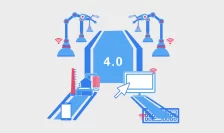
Khám phá cách các mạng Công nghiệp Thông minh 4.0 thúc đẩy sản xuất thông minh thông qua tích hợp Ethernet tốc độ cao, cáp quang, Internet vạn vật công nghiệp (IIoT) và điện toán biên.
Khám phá cách các đầu nối RJ45 Magjack kích hoạt khả năng truyền thông Ethernet mạnh mẽ giữa các PLC và máy chủ SCADA trong tự động hóa công nghiệp, đảm bảo độ nguyên vẹn tín hiệu và độ tin cậy hệ thống.
Tìm hiểu cách các mô-đun quang nâng cao hiệu năng hệ thống PLC, cho phép truyền thông tốc độ cao, khoảng cách xa và xây dựng các mạng tự động hóa công nghiệp đáng tin cậy.
VLAN so với VXLAN: So sánh khả năng mở rộng, tính linh hoạt và chi phí để lựa chọn giải pháp phân đoạn mạng phù hợp nhất cho các hệ thống nhỏ hoặc môi trường quy mô lớn dựa trên điện toán đám mây.
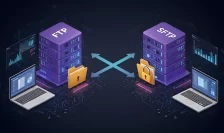
FTP so với SFTP: So sánh tính bảo mật, mã hóa và các trường hợp sử dụng để lựa chọn giao thức tốt nhất nhằm đảm bảo việc truyền tệp an toàn và hiệu quả.
Tìm hiểu cách các module quang SFP28 25G LINK-PP nâng cao hiệu năng của các trung tâm dữ liệu siêu quy mô nhờ băng thông cao, độ trễ thấp và hiệu quả năng lượng. Tìm hiểu các lợi ích chính và các trường hợp ứng dụng.
What Frame Check Sequence (FCS) means, how CRC-32 detects corrupted Ethernet frames, and why FCS errors are commonly associated with cable faults, fiber issues, or optical transceiver problems.
Discover how optical cross‑connect (OXC) enables all‑optical switching in DWDM/OTN networks, with LINK‑PP SFP modules ensuring seamless integration and superior performance.
Learn what Dispersion Compensation Fiber (DCF) is, how it reduces chromatic dispersion, where it is used, and why it matters in modern optical networks.
Learn what OEO means in optical communication, how optical-electrical-optical regeneration works, and when it is used in DWDM networks and optical links. Keywords:
Discover the LQ‑SW40‑SR4C 40GBASE‑SR module: high-speed, low-power, QSFP+ optics for multimode fibre networks. Perfect for data centres and network upgrades.
Learn what hyperconverged infrastructure HCI is, how it compares with virtualization and dHCI, and when Nutanix, Sangfor, or SFP-based designs fit best.
Understand SFP+ 40km (10GBASE-ER) modules, including specs, SMF compatibility, and how to choose the right extended-reach optical transceiver for your network.