Khám phá điện thoại VoIP là gì, cách chúng hoạt động và lý do vì sao chúng quan trọng đối với giao tiếp hiện đại. Tìm hiểu các lợi ích chính cũng như cách đầu nối RJ45 của LINK-PP hỗ trợ chúng.
Tìm hiểu cách giao thức khám phá lớp liên kết (LLDP - Link Layer Discovery Protocol) nâng cao các hệ thống PoE thông qua thương lượng điện thông minh, quản lý năng lượng hiệu quả và phát hiện thiết bị trong các mạng Ethernet hiện đại.
Tránh những sai lầm tốn kém khi lắp đặt cáp quang bằng cách phát hiện các chỗ gập khúc, làm sạch không đúng cách và nối sợi quang kém. Giữ cho mạng cáp quang của bạn luôn ổn định với những mẹo chuyên gia này.
RDMA trên Ethernet hội tụ (RDMA over Converged Ethernet) cho phép truyền dữ liệu nhanh và độ trễ thấp bằng phần cứng Ethernet tiêu chuẩn, giảm mức sử dụng CPU và cải thiện hiệu suất mạng.
Một địa chỉ IPv6 cho phép kết nối thiết bị trực tuyến một cách an toàn và hiệu quả, cung cấp không gian địa chỉ khổng lồ và quản lý mạng được cải thiện so với IPv4.
Tìm hiểu những khác biệt chính giữa IEEE 802.3af (PoE), 802.3at (PoE+) và 802.3bt (PoE++). Hiểu rõ các mức công suất, khả năng tương thích và ứng dụng cùng các giải pháp cuộn cảm PoE của LINK-PP.
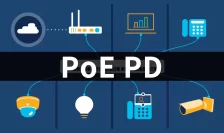
Tìm hiểu Thiết bị được cấp nguồn (PD) là gì trong các mạng PoE, cách nó nhận điện từ Thiết bị cung cấp nguồn (PSE), và khám phá các thành phần sẵn sàng cho PoE của LINK-PP như LPJK6072AONL và LP41223NL.
Learn the difference between PSE and PD in PoE networks, how detection & classification work, and which LINK-PP PoE RJ45 products suit your WAP, camera or VoIP deployment.
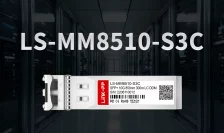
Bộ thu phát quang LINK-PP LS-MM8510-S3C tương thích với Aruba J9150D về tốc độ, khả năng tương thích và độ tin cậy, mang lại giải pháp thay thế hiệu quả về chi phí và liền mạch.
Điện toán biên xử lý dữ liệu gần nguồn tạo ra nó, cho phép đưa ra quyết định nhanh hơn, giảm độ trễ và sử dụng băng thông hiệu quả hơn cho các ứng dụng thời gian thực.
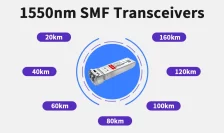
Discover how a 1550 nm optical transceiver converts electrical signals into light for long-distance fiber links. Learn its benefits, tech specs, and LINK-PP models.
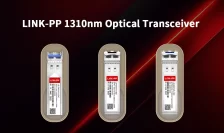
1310nm optical module offers reliable, cost-effective data transmission for metro, campus, and enterprise networks. Compare performance, reach, and use cases.
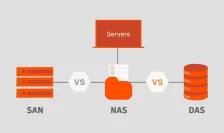
So sánh DAS, NAS và SAN để tìm giải pháp lưu trữ dữ liệu tối ưu về tốc độ, khả năng mở rộng, độ tin cậy và chi phí dựa trên nhu cầu kinh doanh hoặc cá nhân của bạn.
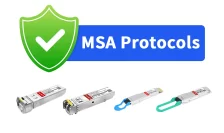
Khám phá các giao thức MSA phổ biến nhất được sử dụng trong transceiver quang học. Tìm hiểu về SFP, SFP+, QSFP, CFP, và nhiều hơn nữa—cùng với cách các module tương thích của LINK-PP mang lại hiệu suất đáng tin cậy.
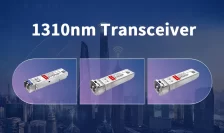
Khám phá cách các mô-đun quang 1310 nm đảm nhận những vai trò thiết yếu trong trung tâm dữ liệu, mạng đô thị và các kết nối doanh nghiệp. Tìm hiểu các trường hợp sử dụng và khám phá các mô-đun đáng tin cậy của LINK-PP.
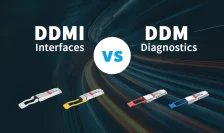
Tìm hiểu sự khác biệt giữa DDMI (giao diện) và DDM (chẩn đoán) trong các bộ thu phát quang. Tìm hiểu cách mỗi loại hỗ trợ giám sát thời gian thực và cách các sản phẩm LINK-PP tận dụng chúng.
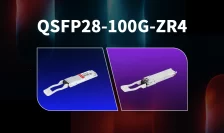
Bộ thu phát quang QSFP28-100G-ZR4 cho phép truyền dữ liệu 100G lên đến 80 km bằng sợi quang đơn chế độ, lý tưởng cho các kết nối mạng tốc độ cao ở khoảng cách xa.
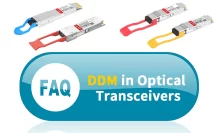
Khắc phục sự cố bộ thu phát quang một cách hiệu quả nhờ Giám sát chẩn đoán kỹ thuật số. Theo dõi dữ liệu thời gian thực để phát hiện sự cố sớm và duy trì độ tin cậy của mạng.
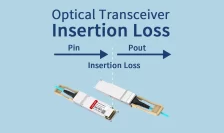
Learn what optical transceiver insertion loss is, how it affects link budgets, BER, and FEC. Includes LC/MPO numbers, control tips, and LINK-PP insights.
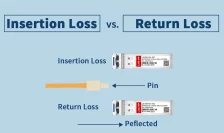
Learn the difference between insertion loss and return loss in optical transceivers, their impact on performance, measurement methods, and LINK-PP product guidance.
What Frame Check Sequence (FCS) means, how CRC-32 detects corrupted Ethernet frames, and why FCS errors are commonly associated with cable faults, fiber issues, or optical transceiver problems.
Discover how optical cross‑connect (OXC) enables all‑optical switching in DWDM/OTN networks, with LINK‑PP SFP modules ensuring seamless integration and superior performance.
Learn what Dispersion Compensation Fiber (DCF) is, how it reduces chromatic dispersion, where it is used, and why it matters in modern optical networks.
Learn what OEO means in optical communication, how optical-electrical-optical regeneration works, and when it is used in DWDM networks and optical links. Keywords:
Discover the LQ‑SW40‑SR4C 40GBASE‑SR module: high-speed, low-power, QSFP+ optics for multimode fibre networks. Perfect for data centres and network upgrades.
Learn what hyperconverged infrastructure HCI is, how it compares with virtualization and dHCI, and when Nutanix, Sangfor, or SFP-based designs fit best.
Understand SFP+ 40km (10GBASE-ER) modules, including specs, SMF compatibility, and how to choose the right extended-reach optical transceiver for your network.