Tìm hiểu NPU (Đơn vị xử lý thần kinh) là gì, cách thức hoạt động của NPU và lý do vì sao NPU lại thiết yếu đối với khối lượng công việc AI cũng như các thiết bị biên. So sánh NPU với CPU, GPU và khám phá các trường hợp sử dụng thực tế.
Tìm hiểu MCU (đơn vị vi điều khiển) là gì, kiến trúc của nó, các ngoại vi phổ biến và cách các MCU vận hành các hệ thống nhúng — kèm theo các liên kết thực tế đến giải pháp RJ45 MagJack.
Tìm hiểu sự khác biệt giữa CPU, GPU, TPU và NPU. Hướng dẫn chi tiết này giải thích kiến trúc, các trường hợp sử dụng và hiệu năng của chúng trong AI, điện toán đám mây và điện toán biên.
Tìm hiểu cách RJ45 MagJacks hỗ trợ các hệ thống NPU bằng cách cung cấp kết nối Ethernet đáng tin cậy, cách ly, giảm nhiễu điện từ (EMI) và cấp nguồn qua Ethernet (PoE) cho trí tuệ nhân tạo tại biên (edge AI), bộ định tuyến và cổng bảo mật.
Ethernet 100 Gigabit cung cấp tốc độ nhanh hơn, độ tin cậy cao hơn và khả năng mở rộng cho các trung tâm dữ liệu và doanh nghiệp cần mạng hiệu suất cao.
Mất gói làm gián đoạn kết nối internet của bạn bằng cách gây độ trễ, đệm (buffering) và mất cuộc gọi. Tìm hiểu nguyên nhân gây mất gói và cách khắc phục để có kết nối ổn định.
Tìm hiểu Network Processing Units (NPUs) là gì, cách chúng hoạt động và lý do vì sao NPUs rất cần thiết trong các bộ định tuyến, bộ chuyển mạch và mạng 5G. Khám phá các lợi ích, kiến trúc và các ứng dụng chủ chốt.
Tìm hiểu TPU – Tensor Processing Unit là gì, cách bộ tăng tốc AI của Google hoạt động, các thế hệ TPU chủ chốt, so sánh TPU với GPU và vai trò của TPU trong việc xử lý học máy quy mô lớn một cách hiệu quả.
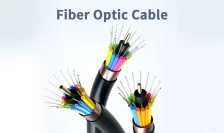
A fiber optic cable uses thin glass or plastic fibers to transmit data as light pulses, enabling fast, clear, and reliable communication over long distances.
Long-haul transmission uses fiber optic cables to send data quickly and securely over long distances, connecting cities and countries for fast communication.
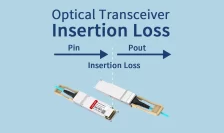
Learn what optical transceiver insertion loss is, how it affects link budgets, BER, and FEC. Includes LC/MPO numbers, control tips, and LINK-PP insights.
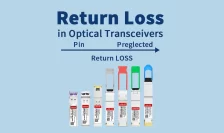
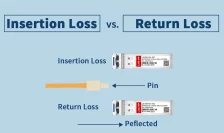
Learn the difference between insertion loss and return loss in optical transceivers, their impact on performance, measurement methods, and LINK-PP product guidance.
Tìm hiểu CMIS là gì và lý do vì sao nó rất quan trọng trong việc quản lý các module quang hiện đại (QSFP-DD, OSFP, v.v.). Tìm hiểu cách các module sẵn sàng cho tương lai của LINK-PP tuân thủ CMIS. .
What Frame Check Sequence (FCS) means, how CRC-32 detects corrupted Ethernet frames, and why FCS errors are commonly associated with cable faults, fiber issues, or optical transceiver problems.
Discover how optical cross‑connect (OXC) enables all‑optical switching in DWDM/OTN networks, with LINK‑PP SFP modules ensuring seamless integration and superior performance.
Learn what Dispersion Compensation Fiber (DCF) is, how it reduces chromatic dispersion, where it is used, and why it matters in modern optical networks.
Learn what OEO means in optical communication, how optical-electrical-optical regeneration works, and when it is used in DWDM networks and optical links. Keywords:
Discover the LQ‑SW40‑SR4C 40GBASE‑SR module: high-speed, low-power, QSFP+ optics for multimode fibre networks. Perfect for data centres and network upgrades.
Learn what hyperconverged infrastructure HCI is, how it compares with virtualization and dHCI, and when Nutanix, Sangfor, or SFP-based designs fit best.
Understand SFP+ 40km (10GBASE-ER) modules, including specs, SMF compatibility, and how to choose the right extended-reach optical transceiver for your network.