Tìm hiểu PMA (Gắn kết môi trường vật lý) là gì, cách nó xử lý tuần tự hóa và khôi phục đồng hồ, và lý do vì sao nó thiết yếu đối với các bộ thu phát quang tốc độ cao hiện đại.
PMD (Phụ thuộc vào môi trường vật lý) xác định các quy tắc quang học và điện của PHY—bước sóng, công suất, khoảng cách truyền và điểm kiểm tra. Hiểu các đặc tả PMD và cách chúng định hướng việc lựa chọn bộ thu phát.
Bộ chia tách quang học phân chia hoặc kết hợp tín hiệu ánh sáng trong các mạng quang, cải thiện luồng dữ liệu, độ tin cậy và tính linh hoạt của mạng cho nhiều ứng dụng khác nhau.
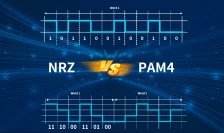
Đi sâu vào tiêu chuẩn IEEE 802.3bs — nền tảng cho Ethernet 200G và 400G hiện đại. Khám phá các thông số kỹ thuật, điều chế PAM4 và cách công nghệ này thúc đẩy các trung tâm dữ liệu quy mô lớn nhờ bộ thu phát quang.
Mạng mở cho phép triển khai mạng linh hoạt, không phụ thuộc nhà cung cấp bằng cách tách rời phần cứng và phần mềm, mang lại nhiều quyền kiểm soát, lựa chọn và hiệu quả chi phí hơn.
Tìm hiểu IEEE 802.3bm là gì và cách nó xác định các giao diện PHY chính cho Ethernet 40G và 100G. Khám phá các công nghệ SR4, LR4, CR4 và lý do tiêu chuẩn này làm nền tảng cho các trung tâm dữ liệu hiện đại.
Mở khóa khả năng kết nối 100G/112G linh hoạt và mật độ cao. LQ-LW112-LR4C là bộ thu phát QSFP28 hai tốc độ, khoảng cách 10 km, hỗ trợ cả 100GBASE-LR4 và 112GBASE-OTU4 trên sợi quang đơn mode (SMF).
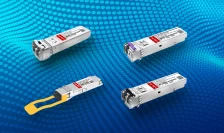
Tìm hiểu cách kết nối các mô-đun SFP với bộ chuyển mạch hoặc bộ chuyển đổi truyền thông của bạn bằng cách kiểm tra tính tương thích, tốc độ, loại sợi quang, bước sóng và khoảng cách. Một hướng dẫn rõ ràng và thực tiễn.
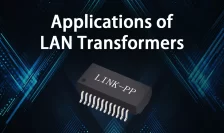
Applications of LAN transformers include protecting network devices, ensuring signal integrity, and supporting reliable data in Ethernet, PoE, and industrial systems.
Optical Modules differ by fiber count and mode: single/dual fiber affects cabling, while single-mode/multi-mode impacts distance and speed in networks.
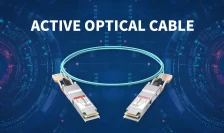
An active optical cable uses built-in transceivers to convert electrical signals to light, enabling high-speed, long-distance data transmission with minimal loss.
CPO vs LPO: Compare key differences, benefits, power savings, and best use cases for data centers to choose the right optical technology for your needs.
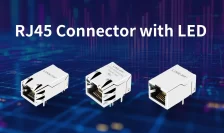
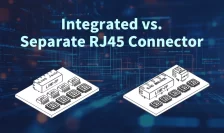
Learn the differences between integrated and separate RJ45 connectors from LINK-PP. Discover how to choose the right solution for your Ethernet applications.
LPO transceivers cut power use, lower latency, and boost reliability in data centers, making them ideal for high-speed, energy-efficient optical links.
What Frame Check Sequence (FCS) means, how CRC-32 detects corrupted Ethernet frames, and why FCS errors are commonly associated with cable faults, fiber issues, or optical transceiver problems.
Discover how optical cross‑connect (OXC) enables all‑optical switching in DWDM/OTN networks, with LINK‑PP SFP modules ensuring seamless integration and superior performance.
Learn what Dispersion Compensation Fiber (DCF) is, how it reduces chromatic dispersion, where it is used, and why it matters in modern optical networks.
Learn what OEO means in optical communication, how optical-electrical-optical regeneration works, and when it is used in DWDM networks and optical links. Keywords:
Discover the LQ‑SW40‑SR4C 40GBASE‑SR module: high-speed, low-power, QSFP+ optics for multimode fibre networks. Perfect for data centres and network upgrades.
Learn what hyperconverged infrastructure HCI is, how it compares with virtualization and dHCI, and when Nutanix, Sangfor, or SFP-based designs fit best.