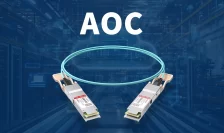
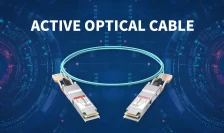
Cáp quang chủ động cung cấp tốc độ cao, tiêu thụ điện năng thấp và kết nối đáng tin cậy. Tìm hiểu cách AOC phù hợp với trung tâm dữ liệu, văn phòng và môi trường sử dụng tại nhà.
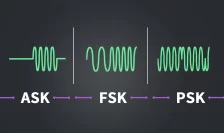
ASK thích hợp cho các dự án đơn giản và chi phí thấp, trong khi FSK phù hợp với môi trường nhiễu và PSK cung cấp tốc độ truyền dữ liệu cao. So sánh ASK, FSK và PSK tại đây.
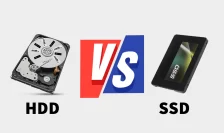
Khám phá sự khác biệt giữa HDD và SSD về tốc độ, độ tin cậy và chi phí. Tìm hiểu loại ổ lưu trữ nào phù hợp với nhu cầu của bạn và khám phá các giải pháp kết nối LINK-PP.
Tìm hiểu thẻ giao diện mạng (NIC) là gì, chức năng và các loại của nó. Khám phá cách NIC tạo điều kiện kết nối trên máy tính, máy chủ và thiết bị mạng.
Tìm hiểu RAM (Bộ nhớ truy cập ngẫu nhiên) là gì, cách thức hoạt động và lý do nó quan trọng đối với hiệu năng hệ thống. Học về chức năng, các loại và vai trò của RAM trong điện toán hiện đại.
Tìm hiểu HDD (Ổ cứng cơ) là gì, cách thức hoạt động và vai trò trong điện toán. Tìm hiểu chức năng, các loại, ưu điểm của HDD cũng như cách so sánh với bộ nhớ SSD.
Điều chế FSK truyền dữ liệu số bằng cách thay đổi tần số tín hiệu cho mỗi bit, mang lại khả năng truyền thông đáng tin cậy ngay cả trong môi trường nhiễu.
Điều chế ASK truyền dữ liệu số bằng cách thay đổi biên độ của sóng mang, cung cấp giải pháp đơn giản và tiết kiệm chi phí cho các hệ thống truyền thông số cơ bản.
Hướng dẫn này làm rõ sự khác biệt giữa các dạng bộ thu phát SFF hàn cố định và dạng 1x9. Tìm hiểu thông số kỹ thuật, ứng dụng và cách lựa chọn phù hợp cho mạng của bạn.
Các ứng dụng của bộ biến áp LAN bao gồm bảo vệ các thiết bị mạng, đảm bảo tính toàn vẹn của tín hiệu và hỗ trợ truyền dữ liệu đáng tin cậy trong các hệ thống Ethernet, PoE và công nghiệp.
Các mô-đun quang khác nhau về số lượng sợi quang và chế độ hoạt động: sợi đơn/sợi kép ảnh hưởng đến việc đi dây cáp, trong khi chế độ đơn/chế độ đa ảnh hưởng đến khoảng cách và tốc độ trong các mạng.
Một cáp quang chủ động sử dụng bộ thu phát tích hợp để chuyển đổi tín hiệu điện thành ánh sáng, cho phép truyền dữ liệu tốc độ cao trên khoảng cách xa với tổn hao tối thiểu.
CPO vs LPO: Compare key differences, benefits, power savings, and best use cases for data centers to choose the right optical technology for your needs.
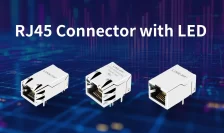
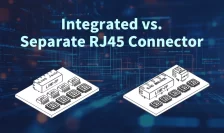
Learn the differences between integrated and separate RJ45 connectors from LINK-PP. Discover how to choose the right solution for your Ethernet applications.
LPO transceivers cut power use, lower latency, and boost reliability in data centers, making them ideal for high-speed, energy-efficient optical links.
What Frame Check Sequence (FCS) means, how CRC-32 detects corrupted Ethernet frames, and why FCS errors are commonly associated with cable faults, fiber issues, or optical transceiver problems.
Discover how optical cross‑connect (OXC) enables all‑optical switching in DWDM/OTN networks, with LINK‑PP SFP modules ensuring seamless integration and superior performance.
Learn what Dispersion Compensation Fiber (DCF) is, how it reduces chromatic dispersion, where it is used, and why it matters in modern optical networks.
Learn what OEO means in optical communication, how optical-electrical-optical regeneration works, and when it is used in DWDM networks and optical links. Keywords:
Discover the LQ‑SW40‑SR4C 40GBASE‑SR module: high-speed, low-power, QSFP+ optics for multimode fibre networks. Perfect for data centres and network upgrades.
Learn what hyperconverged infrastructure HCI is, how it compares with virtualization and dHCI, and when Nutanix, Sangfor, or SFP-based designs fit best.
Understand SFP+ 40km (10GBASE-ER) modules, including specs, SMF compatibility, and how to choose the right extended-reach optical transceiver for your network.