SC-FDMA là gì? SC-FDMA giúp liên kết lên (uplink) của LTE hoạt động hiệu quả hơn bằng cách giảm mức tiêu thụ điện năng, kéo dài thời lượng pin và đảm bảo tín hiệu di động mạnh mẽ.
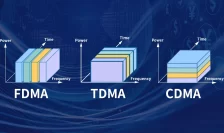
So sánh FDMA, TDMA và CDMA cho các mạng không dây. Xem phương pháp truy cập nào mang lại hiệu suất, dung lượng và khả năng sẵn sàng cho tương lai tốt hơn.
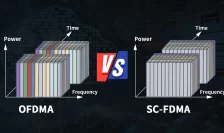
OFDMA so với SC-FDMA: So sánh vai trò của chúng trong LTE/5G, tác động đến tốc độ tải xuống, thời lượng pin và lý do các mạng sử dụng OFDMA cho liên kết xuống (downlink) và SC-FDMA cho liên kết lên (uplink).
Tìm hiểu cách các module quang (SFP, QSFP, CWDM) hỗ trợ giao tiếp tốc độ cao, khoảng cách xa trong các cụm GPU dành cho huấn luyện AI và điện toán hiệu năng cao (HPC). Khám phá các giải pháp của LINK-PP nhằm đảm bảo mạng cụm đáng tin cậy.
Tìm hiểu cách Mạch Tích Hợp (IC) hoạt động cùng các sản phẩm LINK-PP như đầu nối RJ45, biến áp LAN và bộ thu phát quang. Khám phá các ứng dụng trong Ethernet, PoE và trung tâm dữ liệu.
Mạng phân phối quang đảm bảo dịch vụ FTTH nhanh và đáng tin cậy bằng cách kết nối nhà cung cấp với hộ gia đình thông qua cáp quang thụ động, có khả năng mở rộng, hỗ trợ việc cung cấp băng thông rộng tốc độ cao.
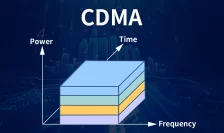
Công nghệ truy cập đa điểm phân chia theo mã cho phép nhiều người dùng chia sẻ cùng một dải tần số bằng cách sử dụng các mã riêng biệt, đảm bảo truyền thông không dây an toàn và rõ ràng.
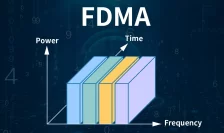
Công nghệ truy cập đa điểm phân chia theo tần số (FDMA) gán cho mỗi người dùng một dải tần số riêng biệt, cho phép truyền thông rõ ràng và đồng thời trên điện thoại, radio và vệ tinh.
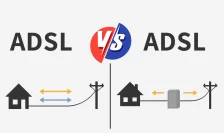
So sánh broadband ADSL và VDSL. Tìm hiểu những khác biệt chính về tốc độ, hiệu năng và ứng dụng để lựa chọn công nghệ DSL phù hợp nhất với nhu cầu của bạn.
Broadband là dịch vụ internet bản thân nó, trong khi WiFi là công nghệ không dây phân phối dịch vụ đó. Tìm hiểu sự khác biệt giữa chúng và cách các bộ thu phát quang của LINK-PP nâng cao hiệu năng broadband.
Bảo vệ ESD cho thiết bị điện tử được đơn giản hóa nhờ nhà máy thông minh của LINK-PP, cung cấp các biện pháp bảo vệ đáng tin cậy cho các thành phần quang học (Optical Ms), đầu nối RJ45, biến áp (Transformers) và vỏ bảo vệ cáp quang (Fiber Optic Cages).
Khám phá cách biến áp LAN của LINK-PP cung cấp tốc độ cao và độ toàn vẹn tín hiệu, đồng thời có chứng nhận cách ly điện—lý tưởng cho mạng công nghiệp, PoE và IoT.
Khám phá các sự cố bộ thu phát quang thường gặp và đưa ra các giải pháp thực tiễn, đồng thời nêu bật cách module quang LINK-PP có thể giảm thiểu rủi ro.
Đầu nối RJ45 đạt chuẩn y tế đảm bảo kết nối mạng an toàn, đáng tin cậy và tuân thủ quy chuẩn đối với thiết bị y tế, đáp ứng tiêu chuẩn IEC 60601-1 và các yêu cầu khử trùng.
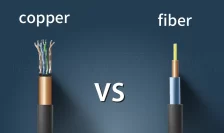
Cáp quang cung cấp tốc độ nhanh hơn, khoảng cách truyền xa hơn và độ tin cậy cao hơn so với cáp đồng, khiến nó trở thành lựa chọn lý tưởng cho internet và mạng có hiệu suất cao.
CWDM vs DWDM: Cost-effective 8-channel metro optics vs high-density 96+ channel long-haul systems. Choose LINK-PP optical transceivers for both WDM solutions.
Cooperation Between LINK-PP and Vietnam Telecom in 2025 boosts Vietnam’s telecom with advanced optical modules, enhancing speed, reliability, and scalability.
Một bộ chuyển mạch là một thiết bị mạng kết nối các thiết bị trong một mạng cục bộ (LAN), gửi dữ liệu chỉ đến thiết bị đích nhằm đảm bảo việc truyền thông hiệu quả, an toàn và nhanh chóng.
Compare PC vs UPC vs APC fiber connectors to choose the best type for your network. Understand differences in return loss, insertion loss, and applications.
What Frame Check Sequence (FCS) means, how CRC-32 detects corrupted Ethernet frames, and why FCS errors are commonly associated with cable faults, fiber issues, or optical transceiver problems.
Discover how optical cross‑connect (OXC) enables all‑optical switching in DWDM/OTN networks, with LINK‑PP SFP modules ensuring seamless integration and superior performance.
Learn what Dispersion Compensation Fiber (DCF) is, how it reduces chromatic dispersion, where it is used, and why it matters in modern optical networks.
Learn what OEO means in optical communication, how optical-electrical-optical regeneration works, and when it is used in DWDM networks and optical links. Keywords:
Discover the LQ‑SW40‑SR4C 40GBASE‑SR module: high-speed, low-power, QSFP+ optics for multimode fibre networks. Perfect for data centres and network upgrades.
Learn what hyperconverged infrastructure HCI is, how it compares with virtualization and dHCI, and when Nutanix, Sangfor, or SFP-based designs fit best.