Tìm hiểu tiêu chuẩn SFF-8436 là gì, cách nó định nghĩa các bộ thu phát quang QSFP+, và lý do vì sao tiêu chuẩn này quan trọng đối với Ethernet 40G, InfiniBand và Fibre Channel.
A Virtual Private Network (VPN) secures online communication by encrypting data and masking IP addresses. Learn how VPNs work, their benefits, and why businesses rely on them for safe remote access and private browsing.
Learn what PPP (Point-to-Point Protocol) is, how it works, and why it is important in networking. Discover its functions, frame structure, and applications in WANs, PPPoE, and VPNs.
Compare CFP and QSFP28 transceivers to decide the best fit for your network. CFP excels in long-distance transmission, while QSFP28 offers high port density.
Demystifying 100G optical transceivers! Explore the differences between CFP, CFP2, and CFP4 form factors, their applications, and why choosing the right one, like LINK-PP's reliable modules, is crucial for your network's performance.
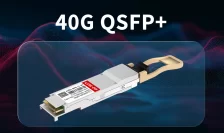
Explore the IEEE 802.3ba standard—defining both 40GbE & 100GbE—its technical design and applications, plus how LINK-PP’s 40G QSFP+ modules align perfectly with this high-speed Ethernet evolution.
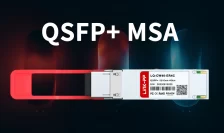
Unlock the power of QSFP+ MSA: a multi-vendor standard for 40G transceivers ensuring seamless interoperability. Discover LINK-PP 40G QSFP+ options like SR4, LR4, and FR4.
QSFP+ 40G SR4 mang lại hiệu năng 40 Gbps ổn định, khả năng kết nối tầm ngắn và tính tương thích mạnh mẽ cho các trung tâm dữ liệu và mạng doanh nghiệp.
Đi sâu vào tiêu chuẩn IEEE 802.3bs — nền tảng cho Ethernet 200G và 400G hiện đại. Khám phá các thông số kỹ thuật, điều chế PAM4 và cách công nghệ này thúc đẩy các trung tâm dữ liệu quy mô lớn nhờ bộ thu phát quang.
Tìm hiểu IEEE 802.3bm là gì và cách nó xác định các giao diện PHY chính cho Ethernet 40G và 100G. Khám phá các công nghệ SR4, LR4, CR4 và lý do tiêu chuẩn này làm nền tảng cho các trung tâm dữ liệu hiện đại.
Quang học mở và việc tách rời trong mạng trung tâm dữ liệu giúp cắt giảm chi phí, tăng tính linh hoạt và cải thiện hiệu năng, đồng thời giảm sự phụ thuộc vào nhà cung cấp duy nhất cũng như mức tiêu thụ năng lượng.
Các bài kiểm tra lão hóa và đốt nóng trước (burn-in) đảm bảo độ tin cậy của bộ thu phát quang bằng cách phát hiện sớm các lỗi, cải thiện hiệu suất và kéo dài tuổi thọ mô-đun.
Quang học cắm vào mang lại khả năng nâng cấp linh hoạt, trong khi quang học tích hợp trên bo mạch cung cấp tốc độ cao hơn và mức độ tích hợp cao hơn. So sánh cả hai giải pháp để lựa chọn phù hợp với nhu cầu trung tâm dữ liệu của bạn.
Tìm hiểu cách TX Fault và RX LOS ảnh hưởng đến bộ thu phát quang. Hướng dẫn này giải thích chức năng của chúng, các nguyên nhân phổ biến và các bước khắc phục sự cố thực tế.
Tìm hiểu cách kết nối các mô-đun SFP với bộ chuyển mạch hoặc bộ chuyển đổi truyền thông của bạn bằng cách kiểm tra tính tương thích, tốc độ, loại sợi quang, bước sóng và khoảng cách. Một hướng dẫn rõ ràng và thực tiễn.
Việc chọn mô-đun SFP công nghiệp yêu cầu kiểm tra khả năng tương thích, ngân sách đường truyền (link budget), xếp hạng nhiệt độ, DDM (SFF-8472) và hỗ trợ từ nhà cung cấp. Hướng dẫn thực tế dành cho các mạng bền bỉ.
Quang học có thể cắm vào cho phép nâng cấp mạng linh hoạt và tiết kiệm chi phí cũng như thiết lập kết nối tốc độ cao, trong khi quang học có thể cắm vào tuyến tính nâng cao hiệu suất AI và trung tâm dữ liệu.
What Frame Check Sequence (FCS) means, how CRC-32 detects corrupted Ethernet frames, and why FCS errors are commonly associated with cable faults, fiber issues, or optical transceiver problems.
Discover how optical cross‑connect (OXC) enables all‑optical switching in DWDM/OTN networks, with LINK‑PP SFP modules ensuring seamless integration and superior performance.
Learn what Dispersion Compensation Fiber (DCF) is, how it reduces chromatic dispersion, where it is used, and why it matters in modern optical networks.
Learn what OEO means in optical communication, how optical-electrical-optical regeneration works, and when it is used in DWDM networks and optical links. Keywords:
Discover the LQ‑SW40‑SR4C 40GBASE‑SR module: high-speed, low-power, QSFP+ optics for multimode fibre networks. Perfect for data centres and network upgrades.
Learn what hyperconverged infrastructure HCI is, how it compares with virtualization and dHCI, and when Nutanix, Sangfor, or SFP-based designs fit best.
Understand SFP+ 40km (10GBASE-ER) modules, including specs, SMF compatibility, and how to choose the right extended-reach optical transceiver for your network.