10G PON delivers up to 10 Gbps speeds using advanced fiber optics, ensuring reliable, high-speed internet for homes, businesses, and modern applications.
Mã hóa quang học bảo vệ mạng tốc độ cao bằng cách mã hóa tín hiệu quang thô, đảm bảo độ trễ thấp, bảo vệ dữ liệu mạnh mẽ, và an ninh sẵn sàng cho tương lai.
50G PON cung cấp tốc độ 50Gbps, độ trễ thấp, và khả năng mở rộng, cho phép băng thông liền mạch cho trò chơi đám mây, vận chuyển 5G, và mạng sẵn sàng cho tương lai vào năm 2025.
Đi sâu vào tiêu chuẩn IEEE 802.3bs — nền tảng cho Ethernet 200G và 400G hiện đại. Khám phá các thông số kỹ thuật, điều chế PAM4 và cách công nghệ này thúc đẩy các trung tâm dữ liệu quy mô lớn nhờ bộ thu phát quang.
Tìm hiểu IEEE 802.3bm là gì và cách nó xác định các giao diện PHY chính cho Ethernet 40G và 100G. Khám phá các công nghệ SR4, LR4, CR4 và lý do tiêu chuẩn này làm nền tảng cho các trung tâm dữ liệu hiện đại.
Quang học mở và việc tách rời trong mạng trung tâm dữ liệu giúp cắt giảm chi phí, tăng tính linh hoạt và cải thiện hiệu năng, đồng thời giảm sự phụ thuộc vào nhà cung cấp duy nhất cũng như mức tiêu thụ năng lượng.
Các bài kiểm tra lão hóa và đốt nóng trước (burn-in) đảm bảo độ tin cậy của bộ thu phát quang bằng cách phát hiện sớm các lỗi, cải thiện hiệu suất và kéo dài tuổi thọ mô-đun.
Quang học cắm vào mang lại khả năng nâng cấp linh hoạt, trong khi quang học tích hợp trên bo mạch cung cấp tốc độ cao hơn và mức độ tích hợp cao hơn. So sánh cả hai giải pháp để lựa chọn phù hợp với nhu cầu trung tâm dữ liệu của bạn.
Tìm hiểu cách TX Fault và RX LOS ảnh hưởng đến bộ thu phát quang. Hướng dẫn này giải thích chức năng của chúng, các nguyên nhân phổ biến và các bước khắc phục sự cố thực tế.
Tìm hiểu cách kết nối các mô-đun SFP với bộ chuyển mạch hoặc bộ chuyển đổi truyền thông của bạn bằng cách kiểm tra tính tương thích, tốc độ, loại sợi quang, bước sóng và khoảng cách. Một hướng dẫn rõ ràng và thực tiễn.
Việc chọn mô-đun SFP công nghiệp yêu cầu kiểm tra khả năng tương thích, ngân sách đường truyền (link budget), xếp hạng nhiệt độ, DDM (SFF-8472) và hỗ trợ từ nhà cung cấp. Hướng dẫn thực tế dành cho các mạng bền bỉ.
Quang học có thể cắm vào cho phép nâng cấp mạng linh hoạt và tiết kiệm chi phí cũng như thiết lập kết nối tốc độ cao, trong khi quang học có thể cắm vào tuyến tính nâng cao hiệu suất AI và trung tâm dữ liệu.
Power Over Ethernet (PoE) combines power and data delivery via a single cable, simplifying installations for devices like IP cameras, VoIP phones, and IoT systems.
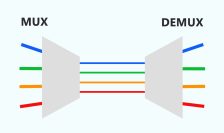
Wavelength Division Multiplexing (WDM) uses optical transceiver modules to send multiple data streams through a single fiber, boosting bandwidth and efficiency.
The Receiver Optical Sub-Assembly (ROSA) is a critical optoelectronic component in Optical Tranceivers, responsible for converting incoming optical signals into
DDM/DOM in optical transceivers provides real-time monitoring of key parameters like temperature and power, ensuring network reliability and early issue detection.
Discover the LQ‑SW40‑SR4C 40GBASE‑SR module: high-speed, low-power, QSFP+ optics for multimode fibre networks. Perfect for data centres and network upgrades.
Learn what hyperconverged infrastructure HCI is, how it compares with virtualization and dHCI, and when Nutanix, Sangfor, or SFP-based designs fit best.
Understand SFP+ 40km (10GBASE-ER) modules, including specs, SMF compatibility, and how to choose the right extended-reach optical transceiver for your network.