
















البنية التحتية IT الحديثة تمر بضغوط مستمرة لتصبح أسرع، أبسط، وسهلة التصعيد. البنية التقليدية للCenters for Data Storage - التي تم بناؤها على خوادم مختلفة، ووحدات تخزين، وشبكات - تؤدي في كثير من الأحيان إلى تعقيد عمليات التشغيل، وزيادة تكاليف الصيانة، وتدني سرعة عمليات التصنيع. مع تسريع المنظمات لتحويلها الرقمي، تشمل Virtualization، واتخاذ مزيج من السحاب، وعمليات الذكاء الاصطناعي، و التحوّل المُجاور, ، يبحث العديد من فرق IT عن نموذج بنية تحتية أكثر سلاسة. وهنا تدخل البنية التحتية المدمجة (HCI) في المحادثة.
البنية التحتية المدمجة، المعروفة أيضًا باسم HCI، هي بنية تحتية مبنية على التصميم المفتوح التي تجمع بين الحوسبة، والتخزين، والإنترنت، والمحاكاة في منصة واحدة. بدلاً من إدارة طبقات الأجهزة الفردية التي تكون مستقلة، تدمج HCI الموارد المركزية إلى نظام واحد يمكن تحميله، وتوسيعه، وإدارة عملياته بشكل أسرع. يقلل هذا النهج من عزلة البنية التحتية، ويُبسط العمليات داخل مراكز البيانات لجهات الأعمال، وproviders السحاب، وSMBs، وبيئات التحوّل المُجاور.
في السنوات الماضية، زادت الاهتمام بالHCI بشكل كبير بسبب الارتفاع في البنية التحتية الخاصة بالسحاب، والبيئات العمل عن بعد، وCenters for Data Storage معدّة للذكاء الاصطناعي، والطلب المتزايد على تطبيقات التحكم التشغيلي. يهتم المؤسسة التي تقيس خياراتها لاستبدال طوابق الحوسبة التقليدية أو بيئات SAN المعقدة بشدة على منصات HCI من المورِّد مثل Nutanix، VMware، Sangfor، وHPE. في الوقت نفسه، أصبحت عناصر الاتصالات، بما في ذلك خراطش Ethernet السريعة، و SFP/SFP+ مودulers الضوئي.
، أصبحت Increasingly مهمة في دعم الاتصالات المؤثرة داخل مجموعات Cluster من HCI، ونقل البيانات بسرعة منخفضة التأخير.
ومع ذلك، يتساءل العديد من المستخدمين قبل اعتماد HCI أسئلة مهمة:
ما هو بالضبط بنية التحتية المدمجة؟
كيف تختلف HCI عن Virtualization التقليدية؟
هل مناسبة HCI لعمليات الأعمال في Enterprise، VDI، أو التخزين النسبي؟
ما دور SFP modules وشبكات ال高速 في أداء HCI؟
أي منصة HCI هي الأفضل لCenters البيانات الحديثة؟
هذا المقال سيسأله عن تلك الأسئلة بالتفصيل. ستحصل على معرفة كيفية عمل التخزين المركزي، وتصميمه الأساسي، والفوائد والتحديات، وتجارب الواقعية، وكيفية مقارنة مع مبادرات البنية التحتية التقليدية. كما سنتقصده دور الأجهزة المخصصة للشبكات مثل مودulers SFP في Environments HCI، وشرح كيفية تقييم منصات HCI المختلفة بناءً على Scalability، Performance، وفعالية التشغيل الطويلة الأمد.
🔴 ما هو التخزين المركزي (HCI)؟
التخزين المركزي (HCI) هو تصميم بنية تحتية مبنية على التكنولوجيا المخصصة لدمج المعالجة، التخزين، الشبكات، والمحاكاة في منصة واحدة موحدة. بدلاً من الاعتماد على أجهزة خادم Physically، ووحدات تخزين مخصصة، وأنظمة إدارة الشبكات الفردية، يدمج HCI هذه المكونات الثلاثة الرئيسية في عقد مدمجة Tight، ويعتمد على Software لإدارةها من مركز واحد.
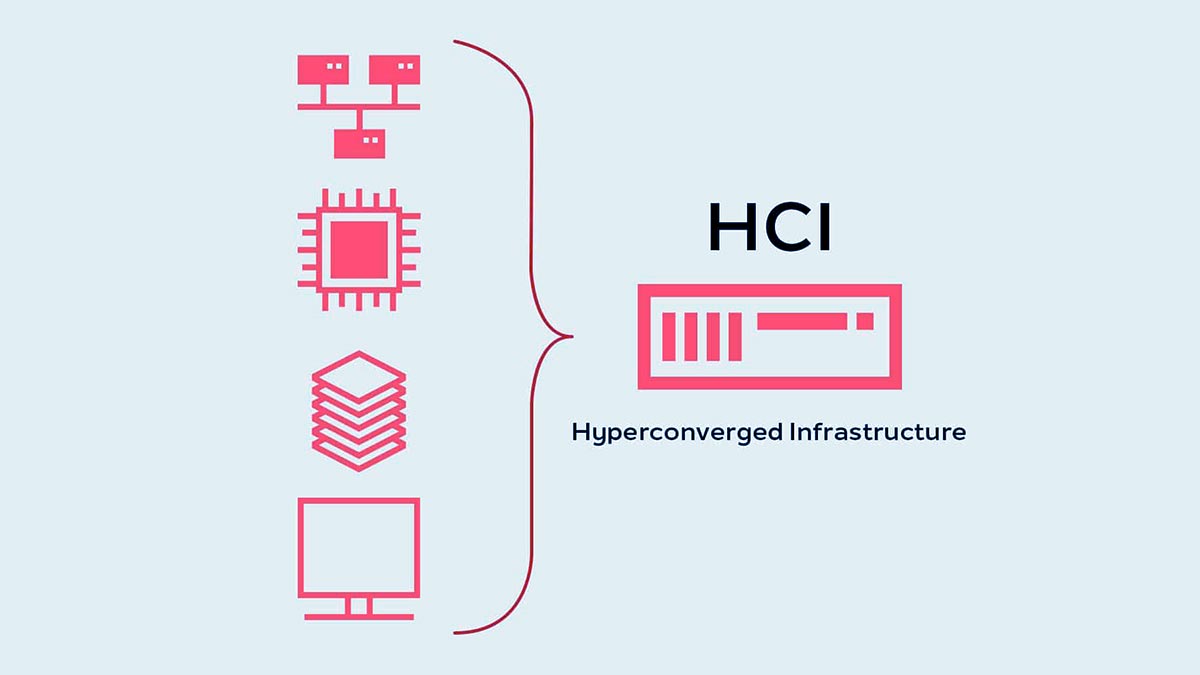
في تصميم النمط الثلاثي التقليدي، قد تحتاج فرق IT إلى تكوين وصيانة طبقات Hardware المختلفة بشكل مستقل. الأجهزة تعمل على عمليات المعالجة، ويعمل devices التخزين على توفير التخزين، ويعمل Equipment Networking على ربط كل شيء معًا. على الرغم من أن هذا التصميم يمكن أن يكون قويًا، إلا أنه يضيف تعقيدًا في العمليات، محدودة في الاتساع، وتكاليف إدارية أعلى. تم إنشاء HCI لتبسيط هذا النمط من خلال إنشاء بيئة Environments أكثر مرونة واتساعًا., SAN or NAS devices provide storage, and networking equipment connects everything together. While this design can be powerful, it also introduces operational complexity, scaling limitations, and higher maintenance costs. HCI was developed to simplify this model by creating a more flexible and scalable infrastructure environment.
At its core, HCI transforms physical infrastructure resources into virtualized, software-managed pools that can be dynamically allocated based on workload requirements. This enables organizations to deploy applications faster, simplify infrastructure management, and improve scalability without depending heavily on siloed hardware systems.
اليوم، يستخدم التوسعات المدمجة (HCI) بشكل واسع في مراكز البيانات Enterprise، Deployments الخاصة، وInfrastructure Virtual Desktop (VDI)، وComputing Edge، وInfrastructure معدنية للذكاء الاصطناعي، وEnvironments مزيج. مع ازدياد توقعات العمل الحديثة، أصبح HCI جزءًا أساسيًا من استراتيجيات التحول الرقمي.
ما الذي يجمع بين HCI
أحد الفروقات الرئيسية بين التوسعات المدمجة وبنية التكنولوجيا التقليدية هو طريقة التي تجمع بين طبقات البنية التحتية المختلفة إلى منصة واحدة.
Environments مدمج بشكل عادي يجمع بين:
Resources الحاسوبية
الأجهزة المادية تقدم وذاكرة و recursos لmachines الVm وتطبيقات.Software-Defined Storage (SDS)
الأجهزة المخزن المحلية داخل كل عقدة مجمعة معًا وتمgmt ك hệ مخزن مشارع Distributed.طبقة الظاهير
يسمح Hypervisors لتشغيل VMs بكفاءة على البنية التحتية المشتركة.البنية التحتية للإنترنت
الاتصالات Ethernet السريعة تربط بين عقدة HCI لضمان تبادل البيانات السريع، و mobility العمل، واتصالات Cluster.Software-Defined Management
تطبيق واجهة مراقبة وظيفية واحدة تبسط Deployment، ومراقبة، وتوسيع، وAutomation، وLifecycle Management.
لأن جميع هذه الموارد تعمل ضمن بيئة مدمجة من Software-Defined، تقلل HCI بشكل كبير من تعقيد البنية التحتية مقارنة بالبنية التقليدية التي تجمع بين الأجهزة والSAN.
وفي Deployments الحديثة، يعتمد أيضًا بشكل كبير على الاتصالات السريعة بين العقد. تُستخدم تقنيات مثل 10G، 25G، 40G، و100G Ethernet بشكل شائع بين العقد، بينما optical transceivers ومنتجات مثل SFP، SFP+،, SFP28, and QSFP تساعد في توفير اتصالات موثوقة وبدون تأخير منخفضة عبر خراطش وشبكات Data Center. في Deployments Enterprise، قد تكون أداء الشبكة عاملًا حاسمًا يؤثر على Scalability وفعالية التبادل للتخزين.
Why Organizations Adopt It
تبني المنظمات نظامًا مدمجًا حاسوبيًا لأن هذا يبسط العمليات IT ويحسن Scalability وAgility وEfficiency الموارد.
من الأسباب الرئيسية التي تدفع الشركات نحو HCl هو تقليل العبء التشغيلية المرتبطة بالإدارة من خانات التخزين الفردية. Environments التقليديين غالبًا Require فرق مخصصة للكمبيوترات والتخزين والإنترنت. HCl يدمج إدارة الموارد في منصة مركزية، مما يتيح للفرق IT الصغيرة إدارة البنية التحتية بشكل أسرع.
Another major advantage is scalability. In traditional architectures, expanding infrastructure may require upgrading storage arrays, reconfiguring SAN networks, or redesigning compute clusters independently. HCl يبسط هذا التصميم من خلال Scalability القدرة على توسيعها incrementally عبر إضافة عقد إضافية. هذا التصميم الم modular يجعل النمو في البنية التحتية أكثر تنبؤية ويسهل إدارة النمو.
Organizations also adopt HCl to support:
Infrastructure الخاصة
Integration مع السحاب المدمج
Virtual Desktop Infrastructure (VDI)
Disaster recovery and backup
Deployments for Remote office and branch office
AI and data-intensive workloads
Environments for Edge computing
Cost optimization is another important factor. By reducing dependency on proprietary storage hardware and simplifying deployment, HCl can lower both CapEx وOpEx over time. Additionally, features for automation help reduce manual administrative tasks and improve operational consistency.
For many enterprises evaluating alternatives to traditional virtualization environments or aging SAN-based infrastructure, HCl offers a modernized path toward more agile and software-defined data center operations.
🔴 How Hyperconverged Infrastructure Works
البنية التحصilitة المدمجة (HCI) تجمع الحوسبة والتخزين والإنترنت والبرمجة المدمجة في منصة مدمجة مبنية على تقنية مفتوحة المصدر. بدلاً من الاعتماد على أجهزة خادم منفصلة ووحدات تخزين وشبكات SAN، تستخدم HCI أجهزة متصلة تعمل معًا كوحدة واحدة تحتوي على تطبيقات إدارة مركزية.
كل جهاز HCI يضيف منصة حوسبة، ذاكرة، تخزين، وشبكة إلى البيئة. الطبقة البرمجية لHCI تجمع هذه الموارد وتوزيعها، وتنظم إدارة التخزين وتضمن متانة التشغيل عبر وحدة التجميع. تبسيط هذا التصميم، ويحسن Scalability، ويقلل من تعقيد البنية التحتية.
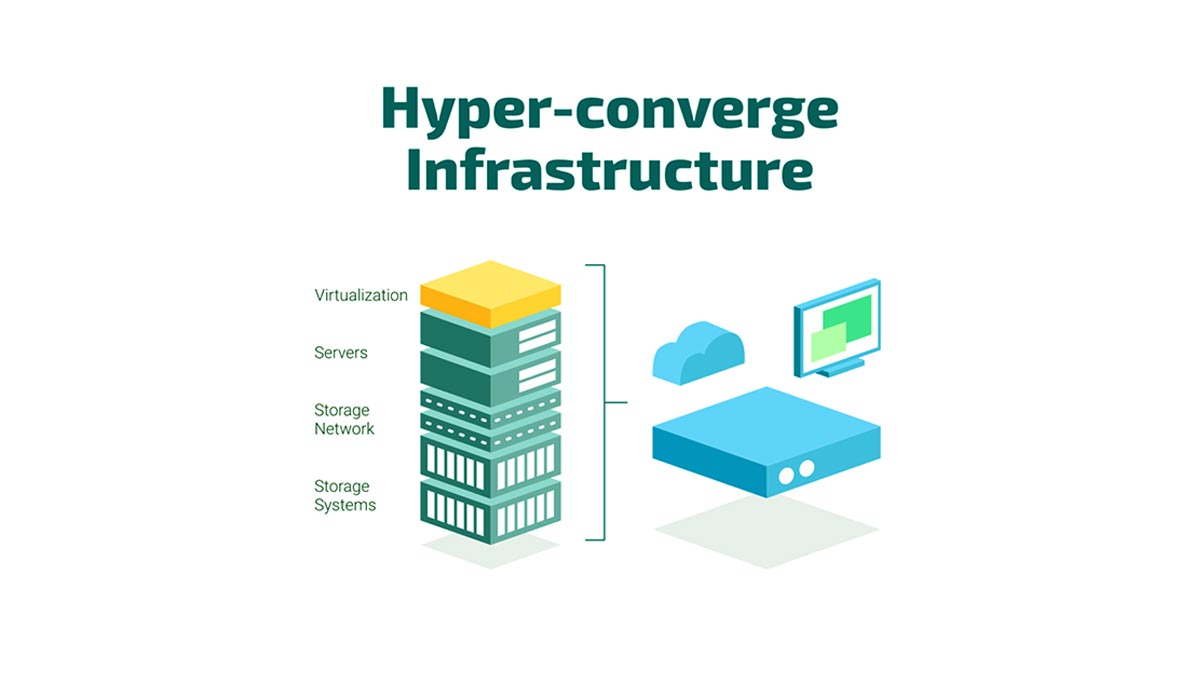
الأجهزة، الVmization، وتخزين مفتوح
يُبني تجميع HCI من عدة أجهزة تحتوي على:
الموارد الحوسبة (الCPU والذاكرة)
تخزين محلول Key Features of SSDs: or Key Features of HDDs: برنامج برمجة الأجهزة
وInterfaces الشبكة
باستخدام تقنية تخزين مفتوح (SDS)، تجمع HCI جميع التخزين المحلي من جميع الأجهزة إلى حool تخزين مشترك موزع. يُخلص هذا إلى عدم الحاجة إلى أنظمة SAN أو NAS التقليدية، ويحسن من التخليق والscalability.
.platformات الVmization مثل VMware ESXi، Nutanix AHV، Hyper-V، أو KVM تسمح بتشغيل عدة م machines virtua على أجهزة خادم مشتركة. تتكامل الطبقة البرمجية لHCI مع برنامج برمجة الأجهزة لتنظيم توزيع المهام، ونقل الأنظمة، وتنظيم التخزين.
كما أن الشبكات السريعة ضرورية لتحسين أداء HCI. تشمل التقنيات 10G، 25G، و100G Ethernet، بالإضافة إلى SFP+، SFP28، وQSFP، والتي تضمن تبادلًا سريعة بين الأجهزة وتوحيد التخزين.
وتعمل هذه التقنيات على ضمان تبادل سريع بين الأجهزة وتوحيد التخزين. optical modules, إدارة مركزية وscalability.
أحد الفوائد الرئيسيّة لHCI هي إدارة مركزية. يمكن للمديرين إدارة الموارد الحوسبة والتخزين والبرمجة والإنترنت من واجهة واحدة بدلاً من إدارة أنظمة خادم منفصلة.
كما أن HCI يعتمد على.
architecture scale-out scale-out architecture, allowing organizations to expand capacity by simply adding more nodes. This approach simplifies infrastructure growth, improves flexibility, and supports modern workloads such as virtualization, private cloud, VDI, and edge computing.
Why HCI Reduces Infrastructure Silos
Traditional IT environments often separate server, storage, and networking management into different operational silos. HCI reduces this complexity by integrating infrastructure resources into a unified software-defined platform.
This centralized model helps organizations:
Simplify infrastructure operations
Reduce management overhead
Improve deployment speed
Increase resource efficiency
Automate routine tasks
By reducing dependency on separate hardware systems and management tools, HCI enables more agile and efficient data center operations.
🔴 Hyperconverged Infrastructure vs. Virtualization vs. dHCI
Organizations modernizing their data centers often compare traditional virtualization, Hyperconverged Infrastructure (HCI), and disaggregated HCI (dHCI). While these technologies are related, they differ in architecture, scalability, and management approach.
Traditional virtualization focuses on abstracting compute resources through hypervisors, while HCI combines compute, storage, networking, and virtualization into a unified software-defined platform. dHCI takes a hybrid approach by providing centralized HCI-style management while allowing compute and storage resources to scale independently.
Virtualization vs. HCI
Virtualization enables multiple virtual machines (VMs) to run on a single physical server using hypervisors such as VMware ESXi, Hyper-V, or KVM. However, traditional virtualized environments still rely on separate storage arrays and networking infrastructure.
HCI extends virtualization by integrating:
Compute
Software-defined storage
Networking
Centralized management
into a single platform.
Compared with traditional virtualization, HCI offers:
Simplified infrastructure management
Easier scalability
Reduced hardware complexity
Deployment أسرع
Feature | التوقيع التقليدي | HCI |
|---|---|---|
التوقيعات الحاسوبية | Yes | Yes |
خزانة تخزين منفصلة | عادة ما تكون ضرورية | لا حاجة لها |
إدارة | أدوات متعددة | موحدة |
Scalability | Moderate | تطوير قابل للتوسيع |
تعقيد البنية التحتية | ٣٤. أعلى | Lower |
dHCI مقابل dHCI غير المتميزة (dHCI)
في التوقيع التقليدي، تتوافق الموارد الحاسوبية والتخزين معًا من خلال إضافة عقد إضافية. في dHCI، تفصل التوقيعات عن التوقيعات، مع الحفاظ على إدارة مركزية.
هذا يجعل dHCI أكثر مرونة في Environments حيث تحدث تطورات مختلفة في توقيعات التخزين والحوسبة.
Feature | HCI | dHCI |
|---|---|---|
البنية التحتية | متكاملة بشكل كامل | متميزة جزئيًا |
توقيعات الحاسوب والتخزين | معًا | مستقلة |
Flexibility | Moderate | ٣٤. أعلى |
إدارة | موحدة | موحدة |
يفضل التوقيع التقليدي في كثير من الأحيان لتبسيط التوقيعات، VDI، وعمليات الشبكات، بينما يناسب dHCI Environments التي تتطلب توسيع تخزينًا مرنًا.
ما النموذج يناسب Environments
التوقيع التقليدي
الأفضل لـ:
Environments ذات خزانة SAN
Deployments صغيرة الحجم
المؤسسات التي ترغب في التحكم منفصلًا في خزانة التخزين
التوقيع
الأفضل لـ:
Infrastructure الخاصة
Environments VDI
Edge computing
العمليات المركزية البسيطة
dHCI
الأفضل لـ:
تحميلات مساحية
تطبيقات تخزينية
توسيع مرن للحوسبة والتخزين
في الوقت نفسه، تظل الشبكات السريعة مهمة في جميع النموذجات الثلاثة. تدعم الاتصالات السريعة Ethernet باستخدام مودulers الضوئي، مما يساعد على دعم الاتصالات السريعة، التزامن التخزيني، وعمليات التوقيعات المخصصة في Environments كلا dHCI و HCI. 10G SFP+, 25G SFP28, 40G QSFP+, and 100G QSFP28 🔴 استخدامات شائعة لـ HCI وفوائدها التجارية.
التوقيع المدمج (HCI) هو الذي يتم انتشاره بشدة لأنه يبسط العمليات IT، مع دعم تطبيقات العمل الحديثة التي تتطلب Scalability، Flexibility، وإدارة مركزية. architecture مبنية على التوقيعات المدمجة يجعل HCI مناسبًا للمؤسسات التي ترغب في تطوير التقليدية، ودعم Environments المختلطة، وتحسين التوقيعات المرنّة.
من خلال تكامل الحاسوب، التخزين، الشبكة، والتوقيعات في منصة واحدة، يساعد HCI على تقليل التعقيدات البنية التحتية، تسريع Deployment، وتحسين الكفاءة التشغيلية. data centers, support hybrid work environments, and improve infrastructure agility.
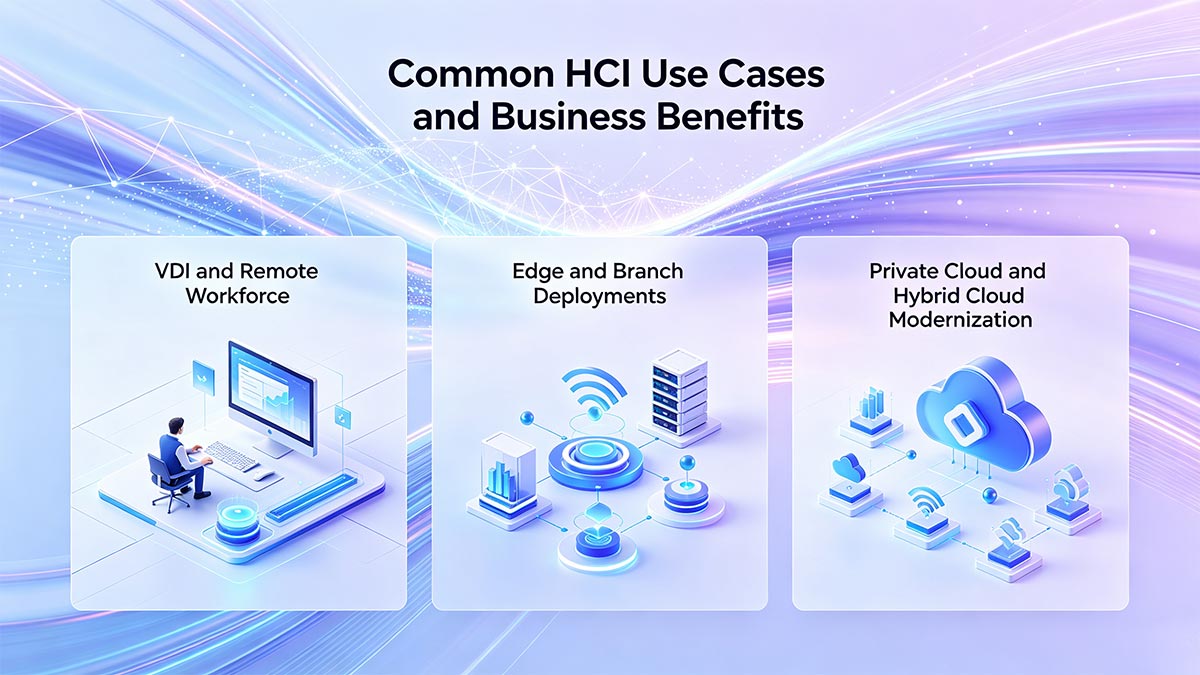
By integrating compute, storage, networking, and virtualization into a unified platform, HCI helps reduce infrastructure complexity, accelerate deployment, and improve operational efficiency.
بعض الاستخدامات الشائعة لتقنيات الواقع الافتراضي (HCI) تشمل البنية التحتية الافتراضية (VDI)، وتقنيات الحوسبة النابعة من الأجهزة (edge computing)، وتنفيذ المكاتب الفرعية، وبنية التخزين الخاصة، وتحديث البنية التحتية المزدوجة.
VDI وقوة العمل عن بعد
من أبرز الاستخدامات الشائعة لتقنيات الواقع الافتراضي (HCI) هو Virtual Desktop Infrastructure (VDI).
Environments VDI عادة ما يتطلبون تخزين عالي الأداء، Scalability متوقعة، وإدارة مركزية لدعم عدد كبير من واجهات الواقع الافتراضي. يمكن أن تصبح البنية التحتية التقليدية صعبة على المدى الطويل على مدار تطوير فرق العمل عن بعد.
يبسط HCI عمليات تثبيت VDI من خلال توفير:
إدارة الموارد المركزية
تخصيص واجهات الواقع الافتراضية بسرعة
Scalability بسيطة
Availability عالية و redundانية
توازن العمل الأفضل
لأن تقنيات الواقع الافتراضي (HCI) تستخدم تخزينًا موزعًا وظواهر الافتراضية، يمكن للمنظمات تطوير Environments VDI بشكل أسرع من خلال إضافة أجهزة إضافية عند ازدياد الطلب على المستخدمين.
كما أن ازدياد الطلب على العمل عن بعد والمنصات المزدوجة أيضًا جعلت الحاجة إلى البنية التحتية الم flexible التي تدعم الوصول الآمن إلى تطبيقات وواجهات الواقع الافتراضية من مواقع متعددة. يساعد HCI على تسهيل عمليات التثبيت والإدارة من قبل فرق التكنولوجيا، مع تقليل المخزون التشغيلي.
Deployments المكتب والمنطقة الحدودية
كما أن HCI أيضًا فعال جدًا في التحوّل المُجاور and مكتب فرع deployments.
مODELS التقليدية لبناء البنية التحتية عادة ما تتطلب أنظمة تخزين مخصصة، و HARDWARE للشبكات، و recursos إدارة محلية، والتي قد تكون غير عملية في مواقع موزعة. يبسط HCI التثبيت من خلال تجميع البنية التحتية إلى أجهزة صغيرة مُدارة من قبل برنامج.
فوائد HCI ل Environments المكتب والمنطقة الحدودية تشمل:
حجم أصغر للhardware
إدارة REMOTE بسيطة
تقليل التعقيد التشغيلي
Deployment أسرع
Scalability أفضل
دعم أفضل للاستعادة من الحوادث
تستخدم مراكز التوزيع، و Factories الصناعية، و locatios الصحية، و branches المالية، و مكاتب الأعمال المُستقلة شائعةً ما تستخدم HCI لدعم تطبيقات وعمليات محلية دون الحاجة إلى تثبيت البنية التحتية الكاملة لمركز البيانات.
تحديث البنية التحتية الخاصة والمنصات المزدوجة
Many organizations adopt HCI as part of their private cloud or hybrid cloud modernization strategy.
Traditional infrastructure often struggles to deliver the agility and automation required for modern cloud operations. HCI provides a software-defined foundation that supports virtualization, workload automation, and cloud integration.
Key business benefits include:
Faster application deployment
Simplified infrastructure scaling
Improved resource utilization
Centralized management
Automation and orchestration support
Better workload mobility between environments
HCI platforms are commonly integrated with public cloud services to support hybrid cloud architectures, enabling organizations to move workloads between on-premises infrastructure and cloud environments more efficiently.
As AI workloads, big data applications, and cloud-native services continue to grow, HCI has become an important foundation for modern software-defined data centers and next-generation enterprise infrastructure.
🔴 The Role of SFP Module in HCI
Although Hyperconverged Infrastructure (HCI) is primarily known for combining compute, storage, virtualization, and networking into a unified platform, network connectivity remains one of the most critical factors affecting overall cluster performance. In modern HCI environments, high-speed Ethernet connectivity is essential for storage synchronization, VM migration, workload balancing, and node-to-node communication.
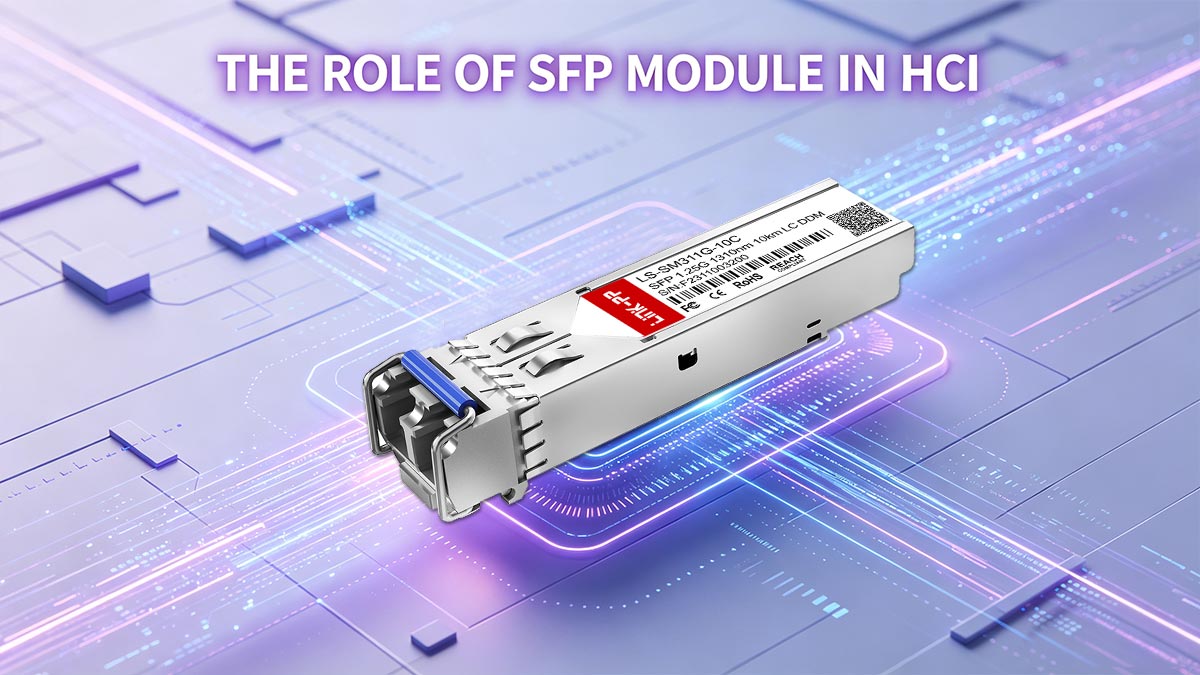
This is where SFP and SFP+ optical modules play an important role.
As HCI clusters scale, the amount of east-west traffic inside the data center increases significantly. Reliable optical interconnects help ensure low latency, high bandwidth, and stable communication between servers, switches, and storage layers. Choosing the right transceivers and uplink architecture can directly impact HCI scalability, redundancy, and application performance.
Where SFP and SFP+ Fit in an HCI Network
SFP (Small Form-factor Pluggable) and SFP+ modules are commonly used in HCI networking environments to connect:
HCI nodes Top-of-Rack (ToR) switches
شبكات数据中心 ذات البنية الشجرية
Storage traffic uplinks
Virtualization clusters
Core aggregation switches
Distributed storage synchronization.
Live VM migration
High-availability failover
Backup and disaster recovery
East-west traffic optimization
Because HCI environments depend heavily on internal cluster communication, network bottlenecks can significantly affect workload performance and storage efficiency.
Why Uplink Design Matters for Performance
A properly designed HCI network should prioritize:.
High-bandwidth uplinks
Low-latency switching.
Redundant network paths
Balanced east-west traffic
Scalable leaf-spine architecture
As organizations expand HCI clusters, network traffic between nodes grows rapidly due to distributed storage replication and workload mobility. This makes uplink design a key factor in maintaining stable performance.
Many modern HCI deployments use:
10G SFP+ for small and mid-sized clusters
25G SFP28 for newer enterprise deployments.
40G/100G QSFP
uplinks for high-density data centers
Selecting the correct transceiver type, cable distance, and switch compatibility helps reduce packet loss and improve infrastructure reliability.
Choosing Optics for HCI Switches and Nodes When selecting optical modules for HCI infrastructure, organizations should consider:
Network speed requirements.
Fiber type (single-mode or multimode)
Vendor interoperability
For short-range data center connections, multimode optics such as
توافق المفتاح
المسافة النقلية
10G SR25G SR)
استهلاك الطاقة
Thermal performance
Vendor interoperability
For short-range data center connections, multimode optics such as 10G SR or 25G SR مُستخدم بشكل شائع. قد تتطلب توزيعات بطول المسافة البعيدة استخدام مُعدات LR الفوتونية الفريدة لضمان الاتصالات الطويلة الأمينة.
كما هو مهم أيضًا في Environments HCI لأن مفاتيح ومحطات ومحطات تخزين من مصادر متعددة. استخدام مُعدات فوتونية موثوقة ومستقلة تساعد على تقليل مشكلات التثبيت وتزيد من استقرار الشبكة على المدى الطويل.
بالنسبة للمؤسسات التي تبني البنية التحتية المخصصة لـ HCI، فإنourcing معدات فوتونية مطابقة لجودة عالية كما هو مهم جدًا على المدى الطويل. LINK-PP Official Store توفر هذه المعدات مجموعة واسعة من مودulers SFP مطابقة لجودة عالية, ، SFP+, SFP28، QSFP+، و QSFP28 مودulers فوتونيين مصممان специально للاستخدامات Enterprise Networking والذكاء الاصطناعي والبنية التحتية الحديثة.
🔴 تحديات ومخاطر و considerations لـ HCI
بينما توفر البنية التحتية المخصصة لـ HCI إدارة بسيطة وتوسيعات متميزة، لا تُعد هي الخيار الصحيح لجميع البيئات. يجب على المؤسسات التي تقيس على HCI الانتباه إلى عوامل مثل تكاليف الترخيص، وحدة التوسع، الاعتماد على المورِّد، وتعقيدات التحويل قبل التثبيت.
فهم هذه التحديات يساعد الشركات على اتخاذ قرارات بناء البنية التحتية بشكل أكثر وضوحًا وتجنب المشاكل التشغيلية غير المคาดية مع تزايد تحميل العمل.
التكاليف والترخيص
على الرغم من أن HCI يمكن أن يقلل من تعقيد الأجهزة وارتفاع تكاليف التشغيل، إلا أن التكاليف الكلية للامتيازات تؤثر بشكل كبير على مرونة التكاليف، وsubscriptions البرمجيات، ومتطلبات التوسعات الطويلة.
ت considerations شائعة تشمل:
ترخيص المحرك
تكاليف التسجيلات لـ HCI
عقود الدعم
دورة تبادل الأجهزة
تحسين البنية التحتية
تكاليف التكامل مع السحاب
بعض.platformات لـ HCI تتطلب موديلات ترخيص مدمجة قد تؤدي إلى تكاليف أعلى مع توسيع المجموعات. في المقابل، قد تتطلب Environments عالية الأداء تبادل Ethernet السريع والCONNECTIVITY الفوتونية التي يمكن أن تزيد من تكاليف البنية التحتية.
يجب أن تقيّم المنظمات كلاًّاً من التكاليف المخصصة للإطلاق والتكاليف التشغيلية الطويلة الأمد قبل انتخاب منصة HCI.
التصاميم والتناقص
تبسيط التصاميم من خلال تصميم مخزن، لكنه يضيف أيضًا تناقضات.
في Environments HCI، تSCALE Compute وStorage معًا. إذا احتاجت المنظمة إلى زيادة الذاكرة، فقد لا تزال حاجة إلى إضافة أجهزة كاملة تحتوي على Compute غير مكتملة. يمكن أن تؤدي هذه العملية إلى تقليل كفاءة الموارد في بعض العملloads.
هناك أيضًا اعتبارات أخرى تشمل:
تحسين تطبيقات الذاكرة الثقيلة
احتياجات Bandwidth الشبكة
محدودية حجم Cluster
Consistency في الأداء تحت تدفق east-west الثقيف
Planning for Backup and Disaster Recovery
ل deployments Enterprise كبيرة ذات تطور غير متساوي للcompute وstorage، قد توفر architectures التقليدية أو dHCI greater flexibility.
Planning for Network أيضًا ضروري. Insufficient uplink capacity أو تصميم غير جيد ل infrastrucure switching يمكن أن يخلق عوائق تؤثر سلبًا على التزامن الذاكرة ووظائف VM.
التسويق، التخليق، والمخاطر الناتجة عن التحويل
الاعتماد على المورِّد هو اعتبار مهم في Environments HCI.
Many HCI platforms use tightly integrated software ecosystems that simplify management but may increase vendor lock-in. Migrating workloads between platforms can become complex depending on hypervisor compatibility, storage formats, and licensing restrictions.
يجب أن تقيّم المنظمات كلاًّاً من:
Vendor interoperability
Hardware Compatibility
Tools and Support for Migration
Long-term Product Roadmap
Flexibility in Ecosystem
Migration from traditional virtualization or SAN-based environments may also require infrastructure redesign, staff retraining, and temporary operational overlap during deployment.
Despite these challenges, many organizations still adopt HCI because the operational simplicity, centralized management, and scalability benefits outweigh the risks for modern virtualized and cloud-focused environments.
أسئلة شائعة عن البنية التحتية المدمجة (HCI)
ما الفرق بين الVm و HCI؟
الVm هي تقنية تسمح بتشغيل عدة م machines الورقية (VMs) على جهاز رئيسي واحد باستخدام كومبانيزور مثل VMware ESXi أو Hyper-V أو KVM. وغالبًا ما تركز على تفريغ الموارد الحاسوبية.
البنية التحتية المدمجة (HCI) تتجاوز الVm من خلال تكامل الحاسوب والتخزين والإنترنت والمحاسبة في منصة واحدة مدمجة. Unlike بيئات الVm التقليدية التي ت Require منفصلة منظمة تخزين SAN أو NAS، HCI تستخدم تخزين مدمج موزع ومحاسبة مركزية لتبسيط العمليات التقنية.
In short:
الVm = VMs على الأجهزة共用
HCI = الVm + تخزين مدمج + إنترنت + متابعة الإدارة المركزية
ما الفرق بين HCI و dHCI؟
الفرق الرئيسي بين HCI و HCI المدمجة (dHCI) هو طريقة تطوير الموارد الحاسوبية والتخزينية.
In traditional HCI, compute and storage are tightly integrated inside each node. Expanding the cluster usually means adding both compute and storage resources together.
dHCI يفصل تطوير الحاسوب والتخزينية، بينما يحافظ على الإدارة المركزية. هذا يسمح للمنظمات بتوسيع تخزين أو الحاسوب بناءً على احتياجات العمل.
ما هي البنية التحتية المدمجة (HCI) لNutanix؟
Nutanix هو أحد أكثر م vendors لBenchmarks منتجات البنية التحتية المدمجة (HCI) في السوق.
Nutanix HCI Combines:
Compute
الVm
Software-defined storage
إدارة الاتصالات
إلى منصة واحدة مدمجة مصممة لتبسيط العمليات التقنية في محطات تخزين البيانات.
platform Nutanix هو شائع استخدامه ل:
Infrastructure الخاصة
بيئات الVm
Deployments VDI
Integration مع السحاب المدمج
Workloads
```html.
What is HCI in Sangfor?
.
1. Nutanix also offers its own hypervisor called AHV, which helps organizations reduce dependency on traditional virtualization licensing models.
2. Sangfor HCI is a hyperconverged infrastructure platform developed by Sangfor Technologies that integrates compute, storage, networking, virtualization, and security into a centralized software-defined environment.
3. Sangfor HCI is commonly positioned for:
4. Enterprise virtualization
5. SMB infrastructure modernization
6. Branch office deployments
7. Private cloud environments
.8. Simplified IT management
9. One of Sangfor HCI’s key focuses is operational simplicity, allowing organizations to manage infrastructure resources through a centralized interface while reducing hardware complexity and deployment time.
.
10. 🔴 How to Choose the Right HCI Platform
.11. Choosing the right Hyperconverged Infrastructure (HCI) platform requires more than simply comparing hardware specifications or licensing costs. Organizations should evaluate workload requirements, scalability goals, network architecture, management complexity, and long-term operational flexibility before making a decision.
12. The best HCI platform is the one that aligns with both current infrastructure needs and future business growth.
13. Decision Checklist
14. Before selecting an HCI solution, organizations should evaluate the following factors:
15. Workload type and performance requirements
احتياجات Bandwidth الشبكة
16. Virtualization platform compatibility
17. Storage capacity and scalability needs
18. Cloud and hybrid cloud integration
19. Centralized management capabilities
20. High availability and disaster recovery features
21. Vendor ecosystem and interoperability
.22. Long-term licensing and support costs
23. Networking infrastructure should also be part of the evaluation process. Modern HCI environments often rely on 10G, 25G, or 100G Ethernet connectivity, making switch compatibility and optical transceiver selection important for overall cluster performance.
24. Questions to Ask Before Buying
25. Before deploying HCI, IT teams should ask several critical questions:
26. Will compute and storage scale at the same rate?
27. Does the platform support existing workloads and hypervisors?
28. How easy is migration from current infrastructure?
29. What are the long-term licensing costs?
30. Does the vendor provide strong technical support?
31. Is the networking infrastructure ready for HCI traffic demands?
وحدات QSFP2832. How well does the platform integrate with hybrid cloud environments?
.33. Organizations should also evaluate compatibility between servers, switches, and optical connectivity components such as SFP+, SFP28, QSFP+, and
34. to ensure stable and scalable cluster communication.
.35. When HCI Is the Wrong Choice
36. Although HCI works well for many modern data center environments, it is not ideal for every workload or organization.
37. HCI may not be the best fit for:
38. Extremely storage-heavy environments
39. Organizations requiring independent compute and storage scaling
40. Legacy applications with specialized hardware dependencies
41. Very small environments with limited virtualization needs
.42. Businesses heavily invested in traditional SAN infrastructure
.


