٨. تعرّف على ما هو eCPRI (واجهة الراديو العامة المشتركة المُحسَّنة)، وكيف يمكّن نقل الإشارات الأمامية لشبكات الجيل الخامس بكفاءة وبتأخير أقل، وكيف تدعم وحدات الاتصال الضوئي شبكات eCPRI.
تضمن الشبكة الحساسة للوقت (TSN) تسليم البيانات بشكل موثوق وفي الوقت المحدد، في حين يركّز بروتوكول الوقت الدقيق (PTP) على مزامنة الساعات. قارن بين TSN وPTP لاحتياجات شبكتك.
١٢. استكشف كيف تُمكّن محولات الإيثرنت نقل البيانات الموثوقة والمقاومة للتداخل الكهرومغناطيسي في أنظمة الإيثرنت الخاصة بالأنظمة الجوية. وتعرّف على وظائفها، ومتطلبات التصميم الخاصة بها، وحلول LINK-PP.
١٠. استكشف الفروق الجوهرية بين واجهتي نقل الإشارات الأمامية CPRI وeCPRI — من حيث عرض النطاق الترددي، التأخير، التقسيم الوظيفي، وهيكل النقل — ولماذا يقود eCPRI عمليات نشر شبكات الجيل الخامس.
٨. حل مشكلات الشبكة في طبقة ربط البيانات، بما في ذلك تصادم الإطارات، والصراعات في عناوين MAC، وأخطاء بروتوكول حل العناوين (ARP)، للحفاظ على استقرار الاتصالات وأمانها.
يضمن حل التعافي من الكوارث لشبكات الاتصال الضوئية استعادة سريعة، وتقليل وقت التوقف، وحماية العمليات المركزية لمركز البيانات الحيوية من الفشل غير المتوقع.
١٠. تعلَّم الفروق بين وحدة المعالجة المركزية (CPU) ووحدة معالجة الرسومات (GPU) ووحدة معالجة التنسور (TPU) ووحدة معالجة الشبكات العصبية (NPU). ويوضِّح هذا الدليل الموسَّع هياكلها المعمارية وحالات الاستخدام الخاصة بها وأداء كلٍّ منها في تطبيقات الذكاء الاصطناعي والحوسبة السحابية والحوسبة الحافة.
٦. اكتشف معيار IEEE ٨٠٢.٣at (PoE+)، وقدرته على توصيل ٣٠ واط من الطاقة، وتطبيقاته الرئيسية ومزاياه. تعرّف على كيفية دعم مغناطيسات LINK-PP PoE+ RJ45 للشبكات الحديثة.
٨. توفر NG-PON2 إنترنتًا أسرع وأكثر موثوقية عبر الألياف البصرية وبسعة أعلى، وتدعم ما يصل إلى ٢٥٦ مستخدمًا وسرعات تصل إلى ٤٠ جيجابت/ثانية للمنازل والشركات.
١٠. توفر ١٠G-EPON اتصال إنترنت بسرعة تصل إلى ١٠ جيجابت/ثانية، وعرض نطاق ترددي أعلى، وأداءً موثوقًا للمنازل والشركات التي تحتاج إلى اتصال ليفي سريع وكفء.
١٢. توفر XG-PON اتصال إنترنت ليفي بسرعة تصل إلى ١٠ جيجابت/ثانية، وتدعم عددًا أكبر من المستخدمين وسرعات أعلى للمنازل والشركات مع اتصال واسع النطاق عالي السعة وموثوق.
١٤. تعرّف على ما هو معيار IEEE ٨٠٢.٣an (١٠GBASE-T)، وكيف يوفّر إيثرنت بسرعة ١٠ جيجابت/ثانية عبر كابلات التواعد الملتف، والمواصفات الرئيسية، والمزايا، ودوره في الشبكات الحديثة.
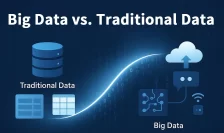
تعرف على الفروق بين البيانات الكبيرة والبيانات التقليدية، بما في ذلك الحجم والسرعة والتعقيد واحتياجات البنية التحتية. اكتشف كيف تمكن وحدات الألياف الضوئية من أحمال البيانات الكبيرة الحديثة.
What Frame Check Sequence (FCS) means, how CRC-32 detects corrupted Ethernet frames, and why FCS errors are commonly associated with cable faults, fiber issues, or optical transceiver problems.
Discover how optical cross‑connect (OXC) enables all‑optical switching in DWDM/OTN networks, with LINK‑PP SFP modules ensuring seamless integration and superior performance.
Learn what Dispersion Compensation Fiber (DCF) is, how it reduces chromatic dispersion, where it is used, and why it matters in modern optical networks.
Learn what OEO means in optical communication, how optical-electrical-optical regeneration works, and when it is used in DWDM networks and optical links. Keywords:
Discover the LQ‑SW40‑SR4C 40GBASE‑SR module: high-speed, low-power, QSFP+ optics for multimode fibre networks. Perfect for data centres and network upgrades.
Learn what hyperconverged infrastructure HCI is, how it compares with virtualization and dHCI, and when Nutanix, Sangfor, or SFP-based designs fit best.
Understand SFP+ 40km (10GBASE-ER) modules, including specs, SMF compatibility, and how to choose the right extended-reach optical transceiver for your network.