What are SFP ports on a switch? Learn how SFP ports support fiber and Ethernet connections, how they compare with RJ45 and SFP+, and which module you need.
What Frame Check Sequence (FCS) means, how CRC-32 detects corrupted Ethernet frames, and why FCS errors are commonly associated with cable faults, fiber issues, or optical transceiver problems.
Discover the LQ‑SW40‑SR4C 40GBASE‑SR module: high-speed, low-power, QSFP+ optics for multimode fibre networks. Perfect for data centres and network upgrades.
What are SFP ports on a switch? Learn how SFP ports support fiber and Ethernet connections, how they compare with RJ45 and SFP+, and which module you need.
What Frame Check Sequence (FCS) means, how CRC-32 detects corrupted Ethernet frames, and why FCS errors are commonly associated with cable faults, fiber issues, or optical transceiver problems.
Discover the LQ‑SW40‑SR4C 40GBASE‑SR module: high-speed, low-power, QSFP+ optics for multimode fibre networks. Perfect for data centres and network upgrades.
Discover how optical cross‑connect (OXC) enables all‑optical switching in DWDM/OTN networks, with LINK‑PP SFP modules ensuring seamless integration and superior performance.
ONU vs. ONT erklärt: Verstehen Sie die wichtigsten Unterschiede, Funktionen und welches Gerät sich für Ihre Glasfaser-Internetanbindung zu Hause oder in gemeinschaftlich genutzten Gebäuden am besten eignet.
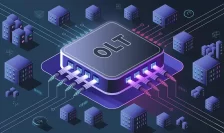
Was ist ein Optical Line Terminal (OLT)? Ein OLT ist das zentrale Gerät in Glasfasernetzen, das Signale umwandelt und Daten für schnelle, stabile Internetverbindungen verwaltet.
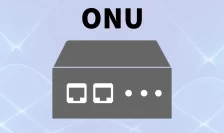
Was ist eine Optical Network Unit (ONU)? Eine ONU wandelt Glasfassersignale für Ihre Geräte um und gewährleistet schnelles, stabiles Internet zu Hause oder im Büro.
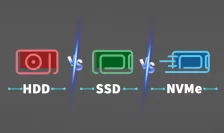
Erforschen Sie die Unterschiede zwischen HDD-, SSD- und NVMe-Laufwerken. Lernen Sie Geschwindigkeit, Kosten und optimale Einsatzgebiete kennen und erfahren Sie, wie LINK-PP-Anschlusslösungen Speichersysteme unterstützen.
Erfahren Sie, was Rechenzentren sind, wie sie funktionieren, welche Hauptarten es gibt und welche Zukunftstrends sie prägen. Erfahren Sie, warum Rechenzentren heute Cloud, KI und digitale Dienste antreiben.
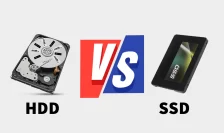
Discover the differences between HDD and SSD in speed, reliability, and cost. Learn which storage drive suits your needs and explore LINK-PP connectivity solutions.
This guide clarifies the differences between soldered SFF and 1x9 transceiver form factors. Learn their specs, applications, and how to choose for your network.
Das Open System Interconnect erklärt die sieben OSI-Schichten und zeigt, wie Geräte kommunizieren und die Interoperabilität in modernen Netzwerkumgebungen sichergestellt wird.
Ein VXLAN-Netzwerkidentifikator (VNI) ist eine eindeutige 24-Bit-Segment-ID, die eine skalierbare Netzwerksegmentierung und -isolation in großen, auf VXLAN basierenden Umgebungen ermöglicht.
Die Uplink-Fehlererkennung identifiziert Netzwerkverbindungsfehler schnell und ermöglicht eine schnelle Reaktion, um Ausfallzeiten zu verhindern und die Geschäftskontinuität sicherzustellen.
Erfahren Sie, was Überwachungs- und Datenerfassungssysteme (SCADA) sind, wie sie funktionieren und welche entscheidende Rolle sie in der industriellen Automatisierung und intelligenter Infrastruktur spielen.
Ein VLAN segmentiert ein Netzwerk auf der Sicherungsschicht (Data Link Layer) und verbessert Sicherheit, Leistung und Verwaltung durch Isolierung von Geräten innerhalb virtueller Gruppen.
Eine SPS – Speicherprogrammierbare Steuerung automatisiert Maschinen und Prozesse und bietet zuverlässige, flexible Steuerung für effiziente Systeme der industriellen Automatisierung.
SSH File Transfer Protocol (SFTP) offers secure file transfer protocol features, using encryption and authentication to protect data during file transfers.
Secure Shell (SSH) ermöglicht verschlüsselten Remote-Zugriff und sichere Dateiübertragung und schützt Daten durch starke Authentifizierung und robuste Verschlüsselungsverfahren.
Das File Transfer Protocol (FTP) ermöglicht schnelle Dateiübertragungen zwischen Computern in einem Netzwerk, unterstützt verschiedene Dateitypen, verfügt jedoch über keine integrierte Sicherheit.
Virtual Extensible LAN ermöglicht eine skalierbare, sichere und flexible Netzwerkvirtualisierung und unterstützt Millionen von Segmenten für moderne Rechenzentrumsanforderungen.
Discover the LQ‑SW40‑SR4C 40GBASE‑SR module: high-speed, low-power, QSFP+ optics for multimode fibre networks. Perfect for data centres and network upgrades.
Learn what hyperconverged infrastructure HCI is, how it compares with virtualization and dHCI, and when Nutanix, Sangfor, or SFP-based designs fit best.
Understand SFP+ 40km (10GBASE-ER) modules, including specs, SMF compatibility, and how to choose the right extended-reach optical transceiver for your network.
Subscribe to LINK-PP
newsletter
Don’t miss anything. Get all the latest posts delivered straight to your inbox.