What are SFP ports on a switch? Learn how SFP ports support fiber and Ethernet connections, how they compare with RJ45 and SFP+, and which module you need.
What Frame Check Sequence (FCS) means, how CRC-32 detects corrupted Ethernet frames, and why FCS errors are commonly associated with cable faults, fiber issues, or optical transceiver problems.
Discover the LQ‑SW40‑SR4C 40GBASE‑SR module: high-speed, low-power, QSFP+ optics for multimode fibre networks. Perfect for data centres and network upgrades.
Der FBT-Verteiler bietet eine kostengünstige Möglichkeit, optische Signale in Glasfasernetzen zu verteilen und eignet sich ideal für kleine Installationen mit einfachen, anpassbaren Signalverteilungsanforderungen.
Lernen Sie, wie NAT (Network Address Translation) funktioniert, welche Arten es gibt, welche Vorteile und Einschränkungen es bietet sowie bewährte Verfahren für IPv6 und Unternehmenseinsätze.
Erfahren Sie, was VoIP-Telefone sind, wie sie funktionieren und warum sie für moderne Kommunikation wichtig sind. Lernen Sie die zentralen Vorteile kennen und erfahren Sie, wie RJ45-Steckverbinder von LINK-PP sie unterstützen.
Erfahren Sie, was RJ45-Steckverbinder sind, wie ihr Pinout aussieht, welche Verdrahtungstypen es gibt und wie sie Ethernet-, PoE- und Gigabit-Netzwerke unterstützen. Entdecken Sie die RJ45-Lösungen von LINK-PP für zuverlässige Konnektivität.
Erfahren Sie, wie RJ45-Magnetbuchsen eine stabile Stromversorgung, saubere Signale und zuverlässige Netzwerkverbindungen in VoIP-Telefonen ermöglichen – mit den LINK-PP-PoE-fähigen RJ45-Lösungen.
Eine IPv4-Adresse identifiziert Ihr Gerät eindeutig innerhalb eines Netzwerks und ermöglicht den Internetzugang sowie einen sicheren Datenaustausch zwischen Geräten weltweit.
Die mittlere Zeit zwischen Ausfällen (MTBF) zeigt, wie lange Geräte laufen, bevor sie ausfallen, und hilft Ihnen dabei, Wartungsmaßnahmen zu planen und die Zuverlässigkeit zu steigern.
Learn the key differences between IEEE 802.3af (PoE), 802.3at (PoE+), and 802.3bt (PoE++). Understand power levels, compatibility, and applications with LINK-PP’s PoE magnetics solutions.
RDMA over Converged Ethernet enables fast, low-latency data transfers using standard Ethernet hardware, reducing CPU usage and improving network efficiency.
What are SFP ports on a switch? Learn how SFP ports support fiber and Ethernet connections, how they compare with RJ45 and SFP+, and which module you need.
An SGMII SFP transceiver enables fast Ethernet connections over copper or fiber, supporting flexible speeds and device compatibility in modern networks.
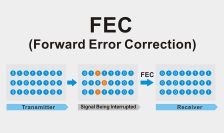
FEC (Forward Error Correction) in der optischen Kommunikation fügt Redundanz hinzu, um Fehler zu erkennen und zu korrigieren, und gewährleistet so eine zuverlässige, hochgeschwindigkeitsfähige Datenübertragung.
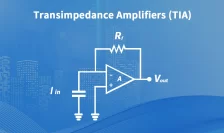
Transimpedanzverstärker (TIAs) wandeln Sensorstrom mithilfe eines Operationsverstärkers und eines Rückkopplungswiderstands in Spannung um und ermöglichen so eine präzise Signalmessung.
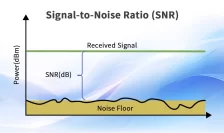
SNR, oder Signal-Rausch-Verhältnis, misst die Signalstärke im Verhältnis zum Rauschen. Ein hoher SNR bedeutet klareren Ton, schärfere Bilder und zuverlässigere Daten – also insgesamt bessere Signalqualität.
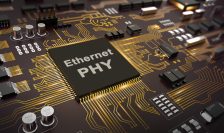
Learn what an Ethernet PHY is, how it connects MAC to network medium, core functions, signal types, and how it pairs with LINK‑PP Magnetics for Ethernet design.
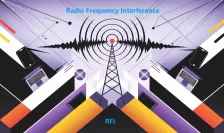
RFI (Radio Frequency Interference) sind unerwünschte Funksignale, die elektronische Geräte stören und zu Leistungsproblemen sowie Kommunikationsstörungen führen.
Das Windungsverhältnis bei LAN-Transformatoren definiert das Verhältnis der Wicklungen – typischerweise 1:1 – und gewährleistet Signalintegrität, Spannungsstabilität sowie die Einhaltung der Ethernet-Standards.
Was die RoHS-Zertifizierung bedeutet, welche Stoffe eingeschränkt sind und warum die Einhaltung für Hersteller und Importeure elektronischer Geräte wichtig ist.
Non-Return-to-Zero (NRZ) is a digital encoding method using two voltage levels for binary data, offering simplicity and efficiency in digital communication.
Discover the LQ‑SW40‑SR4C 40GBASE‑SR module: high-speed, low-power, QSFP+ optics for multimode fibre networks. Perfect for data centres and network upgrades.
Learn what hyperconverged infrastructure HCI is, how it compares with virtualization and dHCI, and when Nutanix, Sangfor, or SFP-based designs fit best.
Understand SFP+ 40km (10GBASE-ER) modules, including specs, SMF compatibility, and how to choose the right extended-reach optical transceiver for your network.
Subscribe to LINK-PP
newsletter
Don’t miss anything. Get all the latest posts delivered straight to your inbox.