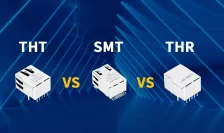
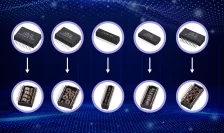
Vergleichen Sie die Montagemethoden THT, SMT und THR für RJ45-Stecker hinsichtlich mechanischer Festigkeit, Montagegeschwindigkeit, Kosten und optimaler Einsatzgebiete in Netzwerk- und Ethernet-Anwendungen.
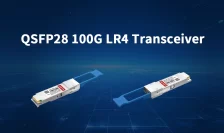
Ein 100G-LR4-Transceiver ermöglicht eine Datenübertragungsrate von 100 Gbit/s über bis zu 10 km mittels Single-Mode-Glasfaser und eignet sich ideal für hochgeschwindigkeitsfähige, langstreckige Netzwerkverbindungen.
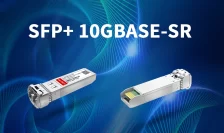
Erforschen Sie den optischen LINK-PP-LS-MM8510-S3C-SFP+-Transceiver mit 850 nm und 10GBASE-SR. Er bietet bis zu 300 m Reichweite auf Multimode-Glasfaser, geringen Stromverbrauch und vollständige Kompatibilität.
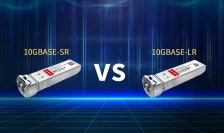
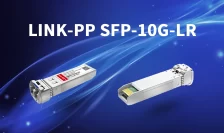
SFP-10G-SR vs. SFP-10G-LR: Vergleichen Sie die Übertragungsweite, Faserart und Kosten, um das richtige 10G-Modul für die spezifischen Anforderungen Ihres Netzwerks auszuwählen.
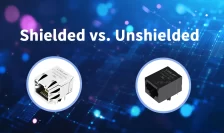
Geschirmte vs. ungeschirmte RJ45-Steckverbinder: Vergleichen Sie den Schutz, die Kosten und die besten Einsatzgebiete, um die richtigen RJ45-Steckverbinder für Ihre Netzwerkumgebung auszuwählen.
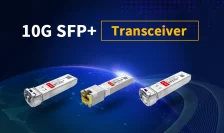
Wählen Sie den richtigen 10G-SFP+-Transceiver aus, indem Sie Kompatibilität, Geschwindigkeit, Medientyp, Reichweite und Kosten für zuverlässige Netzwerk-Upgrades vergleichen.
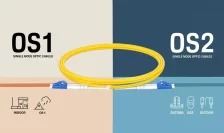
Einmodenfaser: OS1 vs. OS2 – vergleichen Sie Aufbau, Dämpfung und Reichweite, um die richtige Faser für Innen- oder Außen-Netzwerkinstallationen auszuwählen.
SMT-LAN-Transformatoren bieten kompakte Bauweise, EMI-Reduzierung und zuverlässige Datenübertragung für LAN-Geräte. Erfahren Sie Gestaltungstipps und die wichtigsten Anwendungen im Netzwerkbereich.
Verstehen Sie den Unterschied zwischen den Fasertypen: Einmodenfasern eignen sich für lange Entfernungen und hohe Bandbreiten, während Multimodefasern für kurze Strecken und geringere Kosten geeignet sind.
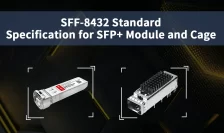
Learn about the SFF-8432 specification, the mechanical standard for SFP+ modules and cages. Discover its role in EMI performance, durability, and interoperability.
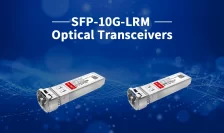
What the SFP-10G-LRM is, how it works, and its benefits. Learn why LINK-PP’s 10GBASE-LRM modules are ideal for upgrading older fiber networks with 220m reach ov
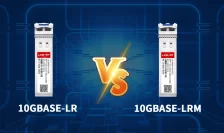
Lernen Sie die Unterschiede zwischen 10GBASE-LR und 10GBASE-LRM Transceivers kennen, einschließlich Entfernung, Kabeltyp und Anwendungen von LINK-PP 10G SFP+ Modulen.
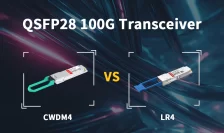
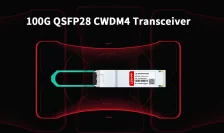
QSFP28 100G CWDM4 transceiver is the industry-standard solution for cost-effective, high-performance 100 Gigabit Ethernet connections over distances up to 2km
What Frame Check Sequence (FCS) means, how CRC-32 detects corrupted Ethernet frames, and why FCS errors are commonly associated with cable faults, fiber issues, or optical transceiver problems.
Discover how optical cross‑connect (OXC) enables all‑optical switching in DWDM/OTN networks, with LINK‑PP SFP modules ensuring seamless integration and superior performance.
Learn what Dispersion Compensation Fiber (DCF) is, how it reduces chromatic dispersion, where it is used, and why it matters in modern optical networks.
Learn what OEO means in optical communication, how optical-electrical-optical regeneration works, and when it is used in DWDM networks and optical links. Keywords:
Discover the LQ‑SW40‑SR4C 40GBASE‑SR module: high-speed, low-power, QSFP+ optics for multimode fibre networks. Perfect for data centres and network upgrades.
Learn what hyperconverged infrastructure HCI is, how it compares with virtualization and dHCI, and when Nutanix, Sangfor, or SFP-based designs fit best.
Understand SFP+ 40km (10GBASE-ER) modules, including specs, SMF compatibility, and how to choose the right extended-reach optical transceiver for your network.