Discover how 1310 nm optical modules serve essential roles in data centers, metro networks, and enterprise links. Learn use cases and explore LINK-PP’s reliable modules.
Explore the difference between DDMI (interface) and DDM (diagnostics) in optical transceivers. Learn how each supports real-time monitoring and how LINK-PP products leverage them.
Metro-Ethernet verbindet mehrere Geschäftsstandorte innerhalb einer Stadt und bietet schnelle, zuverlässige und skalierbare Netzwerklösungen für Daten, Sprache und Video.
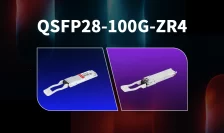
QSFP28-100G-ZR4 transceiver enables 100G data transmission up to 80km using single-mode fiber, ideal for long-distance, high-speed network connections.
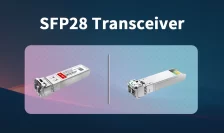
LS-MM8532-S1C SFP28 Transceivers offer 25G/32G speeds, broad compatibility, low power use, and cost savings—ideal for future-proofing your data center.
Führen Sie die Fehlersuche bei optischen Transceivern effizient mit digitaler Diagnoseüberwachung durch. Überwachen Sie Echtzeitdaten, um Fehler frühzeitig zu erkennen und die Netzwerkzuverlässigkeit zu gewährleisten.
Erfahren Sie, wie DDMI—das Digital Diagnostic Monitoring Interface—Echtzeit-Einblicke in optische Transceiver bietet. Lernen Sie seine wichtigsten Metriken, Vorteile und wie LINK-PP-Module es unterstützen.
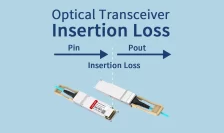
Learn what optical transceiver insertion loss is, how it affects link budgets, BER, and FEC. Includes LC/MPO numbers, control tips, and LINK-PP insights.
MUX und DEMUX optimieren die Datenübertragung, indem sie Signale kombinieren und aufteilen, Kabel reduzieren und die Netzwerkeffizienz sowie Zuverlässigkeit verbessern.
Erfahren Sie, wie optische Pulse Hochgeschwindigkeitsdaten in Fasernetzwerken übertragen. Erforschen Sie Prinzipien, Anwendungen und warum optische Transceiver von LINK-PP sauberere und zuverlässigere Pulse liefern.
Die Virtualisierung von Rechenzentren nutzt Software, um virtuelle Server, Speicher und Netzwerke zu erstellen, wodurch Effizienz gesteigert, Kosten gesenkt und Flexibilität erhöht werden.
Vergleichen Sie die Funktionen von Glasfaser-Verteilern und Kupplern, Signalverluste und beste Anwendungsfälle, um das richtige Gerät für eine effiziente moderne Netzwerkverteilung auszuwählen.
Ein cloudbasiertes Netzwerk ermöglicht die Fernsteuerung von Geräten über ein Web-Dashboard und bietet einfache Verwaltung, automatische Updates sowie hohe Sicherheit.
Nutzen Sie die Hochgeschwindigkeits-Industrieautomatisierung mit EtherCAT. Erfahren Sie, wie EtherCAT eine Synchronisation im Submikrosekundenbereich erreicht, welche Prinzipien dahinterstehen und warum sie für moderne Antriebssteuerung und intelligente Fabriken entscheidend ist.
Erfahren Sie, wie PCS, PMA und PMD innerhalb der Ethernet-PHY-Schicht zusammenarbeiten, um eine zuverlässige Hochgeschwindigkeitsdatenübertragung über Glasfaser- und Kupfernetzwerke zu ermöglichen.
Open Source bietet Kontrolle über den Softwarecode, während Open Networking es Ihnen ermöglicht, Hardware und Software verschiedener Anbieter zu kombinieren, um flexible Netzwerke zu erstellen.
Sie erhalten mehr Auswahlmöglichkeiten, sparen Kosten und können schneller aktualisieren. Sie können Geräte und Software verschiedener Hersteller kombinieren. Dadurch wird Ihr Netzwerk leichter anpassbar und erweiterbar.
Ein Glasfaser-Kuppler teilt oder kombiniert Lichtsignale in optischen Netzwerken und verbessert so Datenfluss, Zuverlässigkeit und Netzwerkflexibilität für verschiedene Anwendungen.
What Frame Check Sequence (FCS) means, how CRC-32 detects corrupted Ethernet frames, and why FCS errors are commonly associated with cable faults, fiber issues, or optical transceiver problems.
Discover how optical cross‑connect (OXC) enables all‑optical switching in DWDM/OTN networks, with LINK‑PP SFP modules ensuring seamless integration and superior performance.
Learn what Dispersion Compensation Fiber (DCF) is, how it reduces chromatic dispersion, where it is used, and why it matters in modern optical networks.
Learn what OEO means in optical communication, how optical-electrical-optical regeneration works, and when it is used in DWDM networks and optical links. Keywords:
Discover the LQ‑SW40‑SR4C 40GBASE‑SR module: high-speed, low-power, QSFP+ optics for multimode fibre networks. Perfect for data centres and network upgrades.
Learn what hyperconverged infrastructure HCI is, how it compares with virtualization and dHCI, and when Nutanix, Sangfor, or SFP-based designs fit best.
Understand SFP+ 40km (10GBASE-ER) modules, including specs, SMF compatibility, and how to choose the right extended-reach optical transceiver for your network.