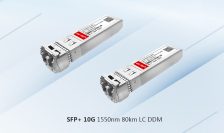
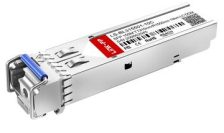
Der LINK-PP-10G-SFP+-Transceiver LS-SM5510-80C bietet eine Geschwindigkeit von 10,7 Gbit/s, eine Reichweite von 80 km, geringen Stromverbrauch und Kompatibilität mit führenden Netzwerkgeräten.
SFP+ transceiver modules enable high-speed data transfer, seamless communication, and flexible connectivity in data centers, supporting efficient networks.
Wählen Sie den besten LINK-PP-SFP-Transceiver unter Berücksichtigung des Kabeltyps, der Entfernung, der Geschwindigkeit und der Kompatibilität, um eine zuverlässige und effiziente Netzwerkleistung zu gewährleisten.
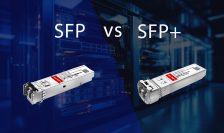
SFP- und SFP+-Transceiver unterscheiden sich hinsichtlich Geschwindigkeit, Kompatibilität und Einsatz. SFP unterstützt bis zu 1 Gbps, während SFP+ bis zu 10 Gbps für schnellere Netzwerke bewältigt.
100G-SFP-DD-Transceiver steigern Hochdichtnetzwerke mit schnellen 100-Gbit/s-Datenraten, kompaktem Design, Energieeffizienz und langstreckiger Datenübertragung bis zu 40 km.
SFP+ 10G-Transceiver ermöglichen Hochgeschwindigkeits-Datentransfer, geringe Latenz, Energieeffizienz sowie Kompatibilität mit verschiedenen Geräten für moderne Netzwerkkonfigurationen.
Beherrschen Sie die Installation von Transceivern in 5 einfachen Schritten. Erfahren Sie, wie Sie vorbereiten, platzieren, anschließen, testen und warten, um eine zuverlässige Netzwerkleistung sicherzustellen.
Ein optisches Modul wandelt elektrische Signale in Licht um, um eine schnelle und zuverlässige Datenübertragung in Netzwerken zu ermöglichen – unverzichtbar für Cloud-Computing, Telekommunikation und Rechenzentren.
LINK-PP expandiert mit neuen Produktionslinien, strategischen Partnerschaften und innovativen RJ45-Steckverbindern und treibt damit Fortschritte bei globalen Konnektivitätslösungen voran.
What are SFP ports on a switch? Learn how SFP ports support fiber and Ethernet connections, how they compare with RJ45 and SFP+, and which module you need.
An SGMII SFP transceiver enables fast Ethernet connections over copper or fiber, supporting flexible speeds and device compatibility in modern networks.
Global Positioning System (GPS) uses satellites to provide accurate real-time location, navigation, and tracking for personal, business, and safety needs.
What is CMOS? Learn the fundamentals of Complementary Metal-Oxide-Semiconductor technology, its working principle, key advantages, and its integration with silicon photonics and optical transceivers.
Internet Control Message Protocol (ICMP) helps diagnose network issues by sending error and status messages between devices for reliable communication.
Der Mehrfach-Verbindungs-Betrieb (MLO) in Wi-Fi ermöglicht es Geräten, mehrere Bänder gleichzeitig zu nutzen, wodurch Geschwindigkeit, Stabilität und Leistung in Wi-Fi-7-Netzwerken gesteigert werden.
Das Network-Time-Protocol (NTP) synchronisiert Uhrzeiten von Geräten über Netzwerke hinweg und gewährleistet so eine genaue Zeit für Datenintegrität, Sicherheit und reibungslose Abläufe.
Fibre-Channel-over-Ethernet (FCoE) ermöglicht es, Fibre-Channel-Speicherverkehr über Ethernet-Netzwerke zu führen, wodurch die Konnektivität im Rechenzentrum vereinfacht und Kosten gesenkt werden.
Das Precision Time Protocol synchronisiert die Uhren von Netzwerkgeräten mit Mikrosekunden-Genauigkeit, wodurch Fehler reduziert und die Zuverlässigkeit bei kritischen Anwendungen verbessert wird.
Discover the LQ‑SW40‑SR4C 40GBASE‑SR module: high-speed, low-power, QSFP+ optics for multimode fibre networks. Perfect for data centres and network upgrades.
Learn what hyperconverged infrastructure HCI is, how it compares with virtualization and dHCI, and when Nutanix, Sangfor, or SFP-based designs fit best.