Das Windungsverhältnis bei LAN-Transformatoren definiert das Verhältnis der Wicklungen – typischerweise 1:1 – und gewährleistet Signalintegrität, Spannungsstabilität sowie die Einhaltung der Ethernet-Standards.
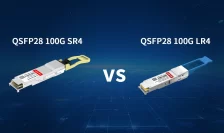
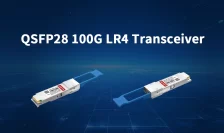
Vergleichen Sie QSFP28 100G SR4 und QSFP28 100G LR4, um den richtigen 100G-Transceiver für Ihr Netzwerk basierend auf Reichweite, Fasertyp, Steckverbindern und Budget auszuwählen.
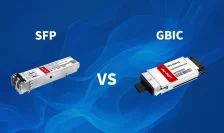
SFP vs. GBIC: Vergleichen Sie Größe, Geschwindigkeit, Kompatibilität und Kosten, um das beste Modul für Ihr Netzwerk im Jahr 2025 auszuwählen. Erfahren Sie, warum SFP bei neuen Installationen bevorzugt wird.
Was die RoHS-Zertifizierung bedeutet, welche Stoffe eingeschränkt sind und warum die Einhaltung für Hersteller und Importeure elektronischer Geräte wichtig ist.
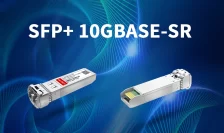
Erforschen Sie den optischen LINK-PP-LS-MM8510-S3C-SFP+-Transceiver mit 850 nm und 10GBASE-SR. Er bietet bis zu 300 m Reichweite auf Multimode-Glasfaser, geringen Stromverbrauch und vollständige Kompatibilität.
Ein 100G-LR4-Transceiver ermöglicht eine Datenübertragungsrate von 100 Gbit/s über bis zu 10 km mittels Single-Mode-Glasfaser und eignet sich ideal für hochgeschwindigkeitsfähige, langstreckige Netzwerkverbindungen.
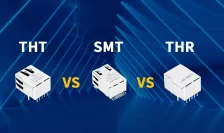
Vergleichen Sie die Montagemethoden THT, SMT und THR für RJ45-Stecker hinsichtlich mechanischer Festigkeit, Montagegeschwindigkeit, Kosten und optimaler Einsatzgebiete in Netzwerk- und Ethernet-Anwendungen.
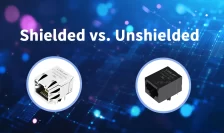
Geschirmte vs. ungeschirmte RJ45-Steckverbinder: Vergleichen Sie den Schutz, die Kosten und die besten Einsatzgebiete, um die richtigen RJ45-Steckverbinder für Ihre Netzwerkumgebung auszuwählen.
What are SFP ports on a switch? Learn how SFP ports support fiber and Ethernet connections, how they compare with RJ45 and SFP+, and which module you need.
An SGMII SFP transceiver enables fast Ethernet connections over copper or fiber, supporting flexible speeds and device compatibility in modern networks.
What Frame Check Sequence (FCS) means, how CRC-32 detects corrupted Ethernet frames, and why FCS errors are commonly associated with cable faults, fiber issues, or optical transceiver problems.
Discover how optical cross‑connect (OXC) enables all‑optical switching in DWDM/OTN networks, with LINK‑PP SFP modules ensuring seamless integration and superior performance.
Learn what Dispersion Compensation Fiber (DCF) is, how it reduces chromatic dispersion, where it is used, and why it matters in modern optical networks.
Learn what OEO means in optical communication, how optical-electrical-optical regeneration works, and when it is used in DWDM networks and optical links. Keywords:
Discover the LQ‑SW40‑SR4C 40GBASE‑SR module: high-speed, low-power, QSFP+ optics for multimode fibre networks. Perfect for data centres and network upgrades.
Learn what hyperconverged infrastructure HCI is, how it compares with virtualization and dHCI, and when Nutanix, Sangfor, or SFP-based designs fit best.
Understand SFP+ 40km (10GBASE-ER) modules, including specs, SMF compatibility, and how to choose the right extended-reach optical transceiver for your network.
Subscribe to LINK-PP
newsletter
Don’t miss anything. Get all the latest posts delivered straight to your inbox.