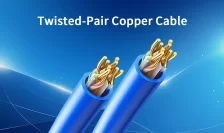
Twisted-Pair-Kupferkabel verwenden zwei isolierte Drähte, die miteinander verdrillt sind, um Störungen abzublocken und eine zuverlässige Daten- und Sprachübertragung in Netzwerken sicherzustellen.
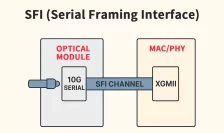
Erfahren Sie, wie die Serial Framing Interface (SFI) eine Hochgeschwindigkeitsdatenübertragung in 10G SFP+- und 40G QSFP+-optischen Modulen ermöglicht. Erforschen Sie SFI-Kanäle, XGMII-Konvertierung und Modul-Interoperabilität für ein zuverlässiges Netzwerk.
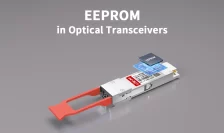
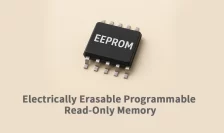
Erfahren Sie, warum EEPROM für Modulidentifikation, -überwachung und -kompatibilität unverzichtbar ist und wie die SFP-/QSFP-Module von LINK-PP den Standards SFF-8472 und SFF-8024 entsprechen.
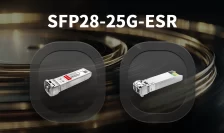
sfp28-25g-esr ist ein 25-G-Optiktransceiver, der schnelle, zuverlässige Datenübertragung und erweiterte Reichweite für moderne Netzwerkinfrastrukturen bietet.
Der SFP28-25G-SR-Transceiver bietet Übertragungsgeschwindigkeiten von 25 Gbit/s, Kurzstrecken-Faseranbindung und zuverlässige Leistung für Rechenzentren und Unternehmensnetzwerke.
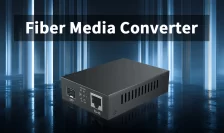
Wandeln Sie Glasfaser zwischen Multimode- und Singlemode-Technologie mithilfe intelligenter Methoden für höhere Geschwindigkeit, größere Reichweite und zuverlässige Netzwerkleistung um.
Erfahren Sie, was SFF-8636 ist, warum es für QSFP-/QSFP28-Optik wichtig ist und wie dessen 2-Draht-Management-Schnittstelle, Speicherabbildung, Leistungsklassen und Alarme die Interoperabilität sicherstellen.
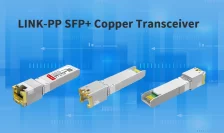
Entdecken Sie den LINK-PP-10GBase-T-Kupfer-SFP+-Transceiver. Unterstützt 10 Gbit/s über Cat6a-/Cat7-Kabel bis zu einer Entfernung von 80 m. Kompatibel mit Cisco, Dell, H3C, Juniper und Arista.
What are SFP ports on a switch? Learn how SFP ports support fiber and Ethernet connections, how they compare with RJ45 and SFP+, and which module you need.
An SGMII SFP transceiver enables fast Ethernet connections over copper or fiber, supporting flexible speeds and device compatibility in modern networks.
Power Over Ethernet (PoE) combines power and data delivery via a single cable, simplifying installations for devices like IP cameras, VoIP phones, and IoT systems.
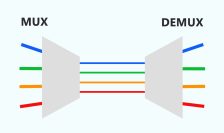
Wavelength Division Multiplexing (WDM) uses optical transceiver modules to send multiple data streams through a single fiber, boosting bandwidth and efficiency.
The Receiver Optical Sub-Assembly (ROSA) is a critical optoelectronic component in Optical Tranceivers, responsible for converting incoming optical signals into
DDM/DOM in optical transceivers provides real-time monitoring of key parameters like temperature and power, ensuring network reliability and early issue detection.
Discover the LQ‑SW40‑SR4C 40GBASE‑SR module: high-speed, low-power, QSFP+ optics for multimode fibre networks. Perfect for data centres and network upgrades.
Learn what hyperconverged infrastructure HCI is, how it compares with virtualization and dHCI, and when Nutanix, Sangfor, or SFP-based designs fit best.