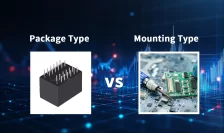
Erfahren Sie die wichtigsten Unterschiede zwischen Gehäusetyp und Montagetyp bei LAN-Transformatoren. Entdecken Sie, wie sie Design, Leistung und Fertigung beeinflussen.
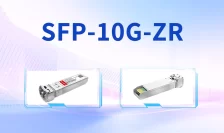
SFP-10G-ZR ist ein 10-Gbit/s-Transceiver für Singlemode-Glasfaser mit einer Reichweite von bis zu 80 km bei 1550 nm – ideal für langstreckige 10G-Ethernet-Verbindungen.
Erfahren Sie, wie Sie häufige SFP+-Verbindungsprobleme diagnostizieren und beheben – darunter Modulkompatibilität, Verkabelung, Konfiguration, Diagnose und Umgebungsfaktoren.
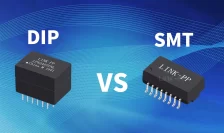
Vergleichen Sie DIP- und SMT-LAN-Transformatoren. Erfahren Sie, wie Gehäuse, Montage, Leistung und Zuverlässigkeit für den Einsatz in Ethernet-, PoE- und industriellen Anwendungen variieren.
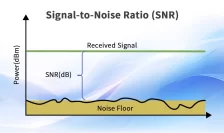
SNR, oder Signal-Rausch-Verhältnis, misst die Signalstärke im Verhältnis zum Rauschen. Ein hoher SNR bedeutet klareren Ton, schärfere Bilder und zuverlässigere Daten – also insgesamt bessere Signalqualität.
Entdecken Sie die Vorteile von DIP-LAN-Transformatoren in Ethernet-Systemen, darunter hohe EMI-Immunität, Robustheit und ein zuverlässiges Durchsteck-Design.
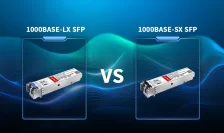
Der 1000BASE-LX-SFP unterstützt Reichweiten bis zu 10 km über Singlemode-Glasfaser, während der 1000BASE-SX für Kurzstreckenverbindungen ideal ist. Vergleichen Sie technische Spezifikationen, Glasfasertypen und Einsatzgebiete.
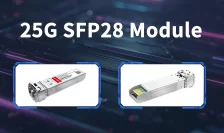
SFP28 ist ein 25-Gbit/s-Transceiver-Modul für schnelle und effiziente Datenübertragung in modernen Netzwerken und bietet hohe Geschwindigkeit, Kompatibilität sowie Energieeinsparungen.
What are SFP ports on a switch? Learn how SFP ports support fiber and Ethernet connections, how they compare with RJ45 and SFP+, and which module you need.
An SGMII SFP transceiver enables fast Ethernet connections over copper or fiber, supporting flexible speeds and device compatibility in modern networks.
Discover the Decision Feedback Equalizer (DFE), the nonlinear technique essential for minimizing ISI. Learn how DFE improves bit BER in optics transceivers and long-haul data links.
Learn what FFE (Feed-Forward Equalizer) is, how transmit equalization works, and why FFE is essential for high-speed optical modules and SerDes signal integrity.
A wireless LAN (WLAN) connects devices like laptops and phones using radio waves, enabling flexible, cable-free networking in homes, schools, or offices.
Learn how the Continuous-Time Linear Equalizer (CTLE) dramatically improves signal integrity in SFP modules, effectively combating channel loss and maximizing link performance.
Verstehen Sie TDCEQ, die entscheidende PAM4-Senderqualitätsmetrik für moderne optische Module. Erfahren Sie, wie tdecq den vertikalen Augenverschluss misst und die Leistung und Konformität von 50/100/400g Modulen beeinflusst.
exploring cloud migration and its benefits, strategies, best practices, also delve into the essential hardware, like optical modules, that make it all possible.
Complete guide to GLC-SX-MMD 1000BASE-SX SFP module: specs, MMF vs SMF, DOM features, compatibility, and best alternatives for cost-effective deployment.
Learn how compatible transceivers work and how to ensure switch compatibility. Avoid SFP errors, vendor locks, and choose the right module confidently.
Learn how a 1000BASE-T SFP transceiver module works with Category 5 copper wire, including compatibility limits, heat issues, and real-world deployment tips.
Learn the SFP28 standard, including its 25G capabilities, SFP28 vs. SFP+ differences, fiber and copper options, and how to choose the right 25G solution.
Subscribe to LINK-PP
newsletter
Don’t miss anything. Get all the latest posts delivered straight to your inbox.