La compensazione della dispersione nei sistemi ottici corregge la dispersione cromatica, garantendo segnali chiari e accurati nelle applicazioni di comunicazione e di imaging su fibra ottica.
Scopri come il transceiver SFP+ DWDM LS-DW4010-40I di LINK-PP migliora il fronthaul e il backhaul LTE con velocità 10G, portata di 40 km e prestazioni a temperatura industriale.
Scopri come funzionano le reti multipunto-a-multipunto (MP2MP), i loro vantaggi e le applicazioni nelle comunicazioni ottiche. Scopri i moduli ottici LINK-PP che supportano i sistemi MP2MP.
Scopri cos’è l’architettura multipunto-a-punto (MP2P), come funziona e come i transceiver ottici LINK-PP migliorano l’efficienza dei dati nelle moderne reti in fibra.
Il monitoraggio remoto della rete consente la gestione, la sicurezza e la risoluzione dei problemi della rete in tempo reale da qualsiasi posizione, supportando sia i team remoti che i siti multipli.
Riduci il jitter nelle reti ottiche ottimizzando il design, utilizzando QoS, aggiornando l'hardware e monitorando le prestazioni per connessioni stabili e a bassa latenza.
La telemetria di rete in banda (In-band Network Telemetry) incorpora dati di monitoraggio in tempo reale in ciascun pacchetto, consentendo informazioni istantanee sulla rete, la risoluzione dei problemi e l’analisi delle prestazioni.
Il Protocollo semplice di gestione della rete (SNMP) consente un monitoraggio e una gestione efficienti dei dispositivi di rete, migliorando visibilità, controllo e sicurezza.
La rete basata sull’intento automatizza la gestione della rete, allinea le operazioni con gli obiettivi aziendali e potenzia la sicurezza mediante intelligenza artificiale e analisi dati.
Il jitter nelle applicazioni ottiche causa sfocatura dell’immagine ed errori nei dati nei sistemi ottici. Scopri i suoi tipi, gli effetti, le cause e i metodi per misurarlo e ridurlo.
La modulazione BPSK utilizza due stati di fase per trasmettere dati digitali in modo affidabile, offrendo un'elevata resistenza al rumore e una progettazione del sistema semplice.
Esplora i componenti essenziali e i tipi di server, inclusi i server rack, blade e le infrastrutture iperconvergenti. Scopri come i server alimentano i moderni sistemi IT e supportano le aziende in tutto il mondo.
Confronta i transceiver CFP e QSFP28 per decidere quale sia la soluzione migliore per la tua rete. Il CFP eccelle nella trasmissione su lunghe distanze, mentre il QSFP28 offre un’elevata densità di porte.
Fibre Channel è un protocollo ad alta velocità e senza perdite per il trasferimento affidabile di dati tra server e storage nelle SAN e nei data center.
Demistificare i transceiver ottici 100G! Esplora le differenze tra i fattori di forma CFP, CFP2 e CFP4, le loro applicazioni e perché scegliere quello giusto, come i moduli affidabili LINK-PP, è fondamentale per le prestazioni della tua rete.
Explore the IEEE 802.3ba standard—defining both 40GbE & 100GbE—its technical design and applications, plus how LINK-PP’s 40G QSFP+ modules align perfectly with this high-speed Ethernet evolution.
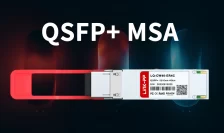
Sblocca il potenziale dello standard QSFP+ MSA: uno standard multi-vendor per i transceiver 40G che garantisce un’interoperabilità perfetta. Scopri le opzioni LINK-PP per transceiver 40G QSFP+, come SR4, LR4 e FR4.
Il transceiver QSFP+ 40G ER4 è un modulo da 40G progettato per collegamenti ad alta velocità e lunga distanza fino a 40 km, ideale per data center e reti aziendali che utilizzano fibra monomodale.
Il modulo QSFP+ 40G LR4 abilita il trasferimento dati ad alta velocità e a lunga distanza per data center, aziende e operatori di telecomunicazioni, supportando una crescita affidabile delle reti 40G nel 2025.
Il transceiver QSFP+ 40G SR4 offre prestazioni affidabili a 40 Gbps, connettività a corto raggio e una forte compatibilità per data center e reti aziendali.
What Frame Check Sequence (FCS) means, how CRC-32 detects corrupted Ethernet frames, and why FCS errors are commonly associated with cable faults, fiber issues, or optical transceiver problems.
Discover how optical cross‑connect (OXC) enables all‑optical switching in DWDM/OTN networks, with LINK‑PP SFP modules ensuring seamless integration and superior performance.
Learn what Dispersion Compensation Fiber (DCF) is, how it reduces chromatic dispersion, where it is used, and why it matters in modern optical networks.
Learn what OEO means in optical communication, how optical-electrical-optical regeneration works, and when it is used in DWDM networks and optical links. Keywords:
Discover the LQ‑SW40‑SR4C 40GBASE‑SR module: high-speed, low-power, QSFP+ optics for multimode fibre networks. Perfect for data centres and network upgrades.
Learn what hyperconverged infrastructure HCI is, how it compares with virtualization and dHCI, and when Nutanix, Sangfor, or SFP-based designs fit best.