Esplora l’architettura di rete punto-multipunto (P2MP), il suo principio di funzionamento, i vantaggi e le applicazioni. Scopri come i trasceiver ottici LINK-PP supportano le implementazioni P2MP.
Esplora i fondamenti dell’architettura di rete punto-punto (P2P), i suoi principi di funzionamento e il modo in cui i connettori RJ45 LINK-PP e i trasceiver ottici abilitano comunicazioni ad alta velocità affidabili.
Scopri come laser, modulatori e fotodiodi costituiscono il cuore dei transceiver ottici, abilitando la trasmissione dati ad alta velocità e bassa latenza su reti globali.
Esplora come i connettori RJ45 evolvono per affrontare le sfide del 6G relative alla latenza ultra-bassa e alle comunicazioni ultra-veloci. Scopri le avanzate soluzioni Ethernet ad alta frequenza di LINK-PP.
Scopri le differenze tra modulatori fotonici al silicio e modulatori ottici tradizionali, i loro principi di funzionamento, i vantaggi e il loro ruolo nei trasceivers ottici di nuova generazione.
Un sistema di gestione della rete monitora, controlla e protegge i dispositivi di rete, fornendo avvisi in tempo reale, automazione e un miglioramento della sicurezza della rete.
Che cos’è il CMOS? Impara i fondamenti della tecnologia Complementary Metal-Oxide-Semiconductor, il suo principio di funzionamento, i principali vantaggi e la sua integrazione con la fotonica al silicio e i trasceivers ottici.
Il sistema di posizionamento globale (GPS) utilizza satelliti per fornire in tempo reale una localizzazione precisa, navigazione e tracciamento per esigenze personali, aziendali e di sicurezza.
Il Protocollo di messaggi di controllo Internet (ICMP) aiuta a diagnosticare problemi di rete inviando messaggi di errore e di stato tra dispositivi per una comunicazione affidabile.
Una guida chiara e autorevole alle reti 6G: che cos’è la 6G, cronologia IMT-2030, tecnologie fondamentali (THz, ISAC, reti native AI), principali casi d’uso e implicazioni per i moduli ottici.
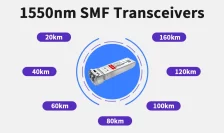
Scopri come un trascevitore ottico a 1550 nm converte i segnali elettrici in luce per collegamenti in fibra su lunga distanza. Impara i suoi vantaggi, le specifiche tecniche e i modelli LINK-PP.
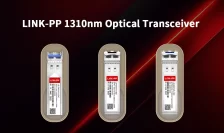
Il modulo ottico a 1310 nm offre una trasmissione dati affidabile ed economica per reti metropolitane, campus e aziendali. Confronta prestazioni, portata e casi d’uso.
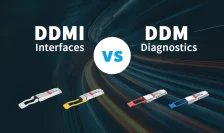
Esplora le differenze tra DDMI (interfaccia) e DDM (diagnostica) nei transceiver ottici. Scopri come ciascuno supporta il monitoraggio in tempo reale e come i prodotti LINK-PP li sfruttano.
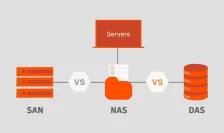
Confronta DAS, NAS e SAN per individuare la soluzione di storage dati più adatta in termini di velocità, scalabilità, affidabilità e costo, in base alle tue esigenze aziendali o personali.
Esplora i protocolli MSA più comuni utilizzati nei transceiver ottici. Impara tutto su SFP, SFP+, QSFP, CFP e altri—oltre a come i moduli compatibili LINK-PP garantiscono prestazioni affidabili.
Scopri come i moduli ottici a 1310 nm svolgono ruoli essenziali nei data center, nelle reti metropolitane e nei collegamenti aziendali. Impara gli scenari d’uso ed esplora i moduli affidabili LINK-PP.
Il transceiver QSFP28-100G-ZR4 consente la trasmissione dati a 100 G a distanze fino a 80 km tramite fibra monomodale, ideale per connessioni di rete ad alta velocità su lunga distanza.
Risolvi rapidamente i problemi dei transceiver ottici con il Monitoraggio Diagnostico Digitale. Monitora i dati in tempo reale per rilevare tempestivamente i guasti e garantire l'affidabilità della rete.
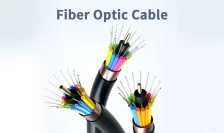
Un cavo in fibra ottica utilizza sottili fibre di vetro o plastica per trasmettere dati sotto forma di impulsi luminosi, consentendo comunicazioni veloci, chiare e affidabili su lunghe distanze.
La trasmissione su lunga distanza utilizza cavi in fibra ottica per inviare dati in modo rapido e sicuro su grandi distanze, collegando città e paesi per una comunicazione veloce.
What Frame Check Sequence (FCS) means, how CRC-32 detects corrupted Ethernet frames, and why FCS errors are commonly associated with cable faults, fiber issues, or optical transceiver problems.
Discover how optical cross‑connect (OXC) enables all‑optical switching in DWDM/OTN networks, with LINK‑PP SFP modules ensuring seamless integration and superior performance.
Learn what Dispersion Compensation Fiber (DCF) is, how it reduces chromatic dispersion, where it is used, and why it matters in modern optical networks.
Learn what OEO means in optical communication, how optical-electrical-optical regeneration works, and when it is used in DWDM networks and optical links. Keywords:
Discover the LQ‑SW40‑SR4C 40GBASE‑SR module: high-speed, low-power, QSFP+ optics for multimode fibre networks. Perfect for data centres and network upgrades.
Learn what hyperconverged infrastructure HCI is, how it compares with virtualization and dHCI, and when Nutanix, Sangfor, or SFP-based designs fit best.
Understand SFP+ 40km (10GBASE-ER) modules, including specs, SMF compatibility, and how to choose the right extended-reach optical transceiver for your network.