SSH vs SSL: l’SSH protegge l’accesso remoto e il trasferimento file, mentre l’SSL protegge le comunicazioni web. Scegli il protocollo giusto per le tue esigenze di sicurezza.
Esplora il transceiver industriale SFP28 LINK-PP LS-SM3125-10I, che fornisce 25 Gb/s su fibra monomodo a 10 km a 1310 nm, con DOM e supporto a temperature ampie per backbone e front-haul 5G.
Scopri come i trasceivers ottici alimentano le reti intelligenti Industry 4.0, abilitando connettività ad alta velocità, bassa latenza e affidabile nelle moderne fabbriche, grazie a moduli da 1G, 10G e 25G certificati per uso industriale.
Il protocollo User Datagram consente il trasferimento rapido e senza connessione dei dati per applicazioni in tempo reale come lo streaming, i giochi e il DNS, privilegiando la velocità rispetto all'affidabilità.
L’SSL crittografa i dati tra il tuo browser e i siti web, garantendo privacy e sicurezza. I certificati SSL verificano l’identità del sito e proteggono le informazioni sensibili.
Technical hurdles of 1.6T optical transceivers include signal integrity, power, and cooling, driving a connector revolution for reliable high-speed networks.
I circuiti fotonici integrati usano la luce per trasmettere dati, offrendo velocità più elevate, un minore consumo energetico e connessioni affidabili per le reti moderne.
OSI vs TCP/IP: l’OSI è ideale per apprendere i concetti di rete, mentre TCP/IP è utilizzato per le reti nel mondo reale. Confrontate i loro livelli, utilizzi e principali differenze.
Il transceiver ottico LINK-PP LS-SM311G-10C da 1G offre velocità 1,25 Gbps, portata di 10 km, ampia compatibilità e prestazioni affidabili per reti in fibra ottica.
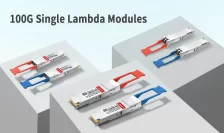
I moduli da 100 G con singolo lambda garantiscono velocità superiori, minore consumo energetico e aggiornamenti più semplici per data center e reti telecom.
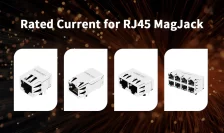
Scopri come i connettori RJ45 integrati supportano dati e alimentazione — coprendo gli standard IEEE PoE, la corrente nominale per contatto/coppia e le informazioni affidabili sui prodotti LINK-PP.
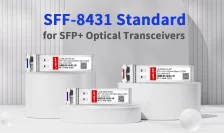
Scopri come i moduli SFP+ LINK-PP rispettano lo standard dell’interfaccia elettrica SFF-8431, garantendo l’integrità del segnale a 10 Gb/s, la compatibilità con l’host e le diagnosi in tempo reale
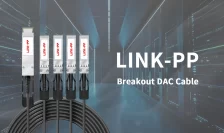
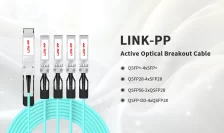
Un cavo DAC breakout collega una porta ad alta velocità a diverse porte a velocità inferiore, consentendo connessioni di rete rapide, economiche e affidabili su brevi distanze.
Un cavo AOC breakout suddivide una porta ad alta velocità in più porte, offrendo connessioni di rete rapide, flessibili ed energeticamente efficienti per i data center del 2025.
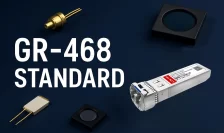
Lo standard GR-468-CORE Telcordia rappresenta il riferimento globale per l'affidabilità dei componenti ottici. Scopri come i moduli ottici LINK-PP soddisfano i requisiti GR-468.
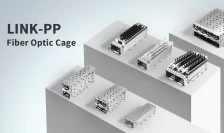
Seleziona la migliore custodia per fibra ottica considerando compatibilità, densità di porte, gestione termica (opzioni di dissipatori di calore), integrazione di light pipe, schermatura EMI, ecc.
Cos’è UL94 V-0? Scopri la classificazione più rigorosa in materia di sicurezza antincendio, il suo reale valore per gli acquisti, gli scenari di conformità e soluzioni di rete certificate UL94 V-0 LINK-PP.
Scopri i test di saldabilità J-STD-002 e come le soluzioni integrate LINK-PP — RJ45, trasformatori LAN, prese modulari e custodie per fibra ottica — soddisfano questo standard.
What Frame Check Sequence (FCS) means, how CRC-32 detects corrupted Ethernet frames, and why FCS errors are commonly associated with cable faults, fiber issues, or optical transceiver problems.
Discover how optical cross‑connect (OXC) enables all‑optical switching in DWDM/OTN networks, with LINK‑PP SFP modules ensuring seamless integration and superior performance.
Learn what Dispersion Compensation Fiber (DCF) is, how it reduces chromatic dispersion, where it is used, and why it matters in modern optical networks.
Learn what OEO means in optical communication, how optical-electrical-optical regeneration works, and when it is used in DWDM networks and optical links. Keywords:
Discover the LQ‑SW40‑SR4C 40GBASE‑SR module: high-speed, low-power, QSFP+ optics for multimode fibre networks. Perfect for data centres and network upgrades.
Learn what hyperconverged infrastructure HCI is, how it compares with virtualization and dHCI, and when Nutanix, Sangfor, or SFP-based designs fit best.
Understand SFP+ 40km (10GBASE-ER) modules, including specs, SMF compatibility, and how to choose the right extended-reach optical transceiver for your network.
Subscribe to LINK-PP
newsletter
Don’t miss anything. Get all the latest posts delivered straight to your inbox.