Confronta i moduli 10G SFP+ a lungo raggio e a corto raggio in base alla distanza, al tipo di fibra e al costo, per scegliere la soluzione migliore per le tue esigenze di rete.
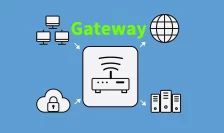
Scopri cos’è un gateway di rete, come funziona e perché è essenziale per collegare reti diverse. Comprendi le funzioni del gateway, i diversi tipi e le applicazioni pratiche nei moderni sistemi di comunicazione.
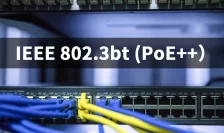
Esplora lo standard IEEE 802.3bt (PoE++) che fornisce fino a 100 W tramite Ethernet. Scopri le sue caratteristiche principali, i tipi di alimentazione e le applicazioni con le soluzioni LINK-PP per magnetics PoE++.
Un bilancio energetico mostra quanta energia necessita il tuo sistema, aiutandoti a pianificare, evitare sovraccarichi e mantenere i dispositivi in funzione in modo affidabile ed efficiente.
I moduli ottici 10G a lunga portata consentono trasferimenti dati ad alta velocità su distanze fino a 80 km. Scopri i tipi, le specifiche, la compatibilità e come scegliere il modulo giusto.
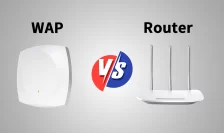
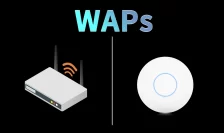
Scopri le differenze tra un punto di accesso wireless (WAP) e un router, i loro casi d’uso nelle reti domestiche e aziendali, e come i connettori PoE RJ45 LINK‑PP LPJK6072AONL supportano i deployment WAP.
Scopri cos’è un punto di accesso wireless (WAP), come funziona e perché è essenziale per reti Wi-Fi robuste. Impara sui tipi, sugli scenari di utilizzo e sull’integrazione del connettore PoE RJ45 LINK-PP LPJK6072AONL.
Un transceiver ottico 10G a corto raggio consente il trasferimento rapido e affidabile di dati fino a 300 m tramite fibra multimodale, ideale per data center e reti aziendali.
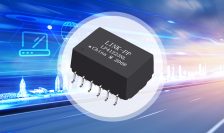
Scopri il trasformatore magneto PoE+ LINK-PP LP41223NL per Ethernet 10/100 Base-T. Isolamento elevato, perdite ridotte e ideale per dispositivi di rete PoE/PoE+.
Le soluzioni cloud avanzate migliorano la scalabilità, la sicurezza e l’efficienza dei costi del data center per operazioni flessibili, affidabili e pronte per il futuro.
Comprendere le differenze fondamentali tra le interfacce elettriche XLPPI e XLAUI, il loro funzionamento nei sistemi Ethernet 40G/100G e quale interfaccia viene utilizzata dai moderni moduli QSFP.
Scoprire i vantaggi dell’interfaccia elettrica XLPPI nelle reti ad alta velocità. Imparare come riduce la latenza, abbassa il consumo energetico e rende future-proof la trasmissione dati moderna.
Scopri la piattaforma Google Cloud (GCP), la sua architettura, i suoi servizi e il modo in cui i transceiver ottici abilitano un networking ad alte prestazioni all’interno dei data center di GCP.
Microsoft Azure è una piattaforma cloud che offre soluzioni scalabili per le aziende. Scopri la sua architettura, i suoi servizi e il modo in cui i moduli ottici supportano il networking cloud di Azure.
AWS (Amazon Web Services) alimenta il calcolo cloud globale con servizi scalabili e reti di data center ad alta velocità. Scopri i concetti base di AWS, l'architettura e come i moduli ottici supportino la connettività AWS.
Scopri cosa sono gli switch EoR (End-of-Row), come funziona l'architettura, i loro vantaggi e svantaggi, le differenze tra EoR e ToR, le migliori pratiche di implementazione e i moduli ottici consigliati.
Scopri cosa è uno switch MoR (Middle-of-Rack), come lo MoR si confronta con ToR/EoR, e quali moduli SFP+/SFP28/QSFP funzionano meglio — una guida pratica per la progettazione dei data center.
Il Multi-Gig Ethernet aumenta le velocità di rete fino a 2,5, 5 o 10Gbps utilizzando cavi esistenti, rendendo gli aggiornamenti semplici per una trasmissione streaming, gaming e trasferimenti file più veloci.
What Frame Check Sequence (FCS) means, how CRC-32 detects corrupted Ethernet frames, and why FCS errors are commonly associated with cable faults, fiber issues, or optical transceiver problems.
Discover how optical cross‑connect (OXC) enables all‑optical switching in DWDM/OTN networks, with LINK‑PP SFP modules ensuring seamless integration and superior performance.
Learn what Dispersion Compensation Fiber (DCF) is, how it reduces chromatic dispersion, where it is used, and why it matters in modern optical networks.
Learn what OEO means in optical communication, how optical-electrical-optical regeneration works, and when it is used in DWDM networks and optical links. Keywords:
Discover the LQ‑SW40‑SR4C 40GBASE‑SR module: high-speed, low-power, QSFP+ optics for multimode fibre networks. Perfect for data centres and network upgrades.
Learn what hyperconverged infrastructure HCI is, how it compares with virtualization and dHCI, and when Nutanix, Sangfor, or SFP-based designs fit best.
Understand SFP+ 40km (10GBASE-ER) modules, including specs, SMF compatibility, and how to choose the right extended-reach optical transceiver for your network.