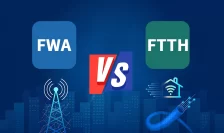
Confronta le tecnologie per l’accesso a banda larga FTTH e FWA. Scopri le differenze in termini di velocità, costo, modalità di implementazione e casi d’uso. Scopri come i moduli SFP LINK-PP supportano entrambe le reti.
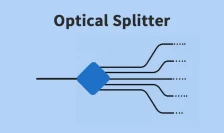
spiega come i divisori ottici abilitano la FTTH, i loro tipi (FBT vs. PLC), i principali rapporti di suddivisione e come si integrano con i moduli ottici LINK-PP per una rete senza interruzioni.
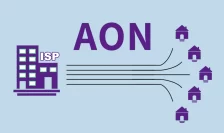
Le reti ottiche attive forniscono linee in fibra dedicate e apparecchiature alimentate per connessioni internet private, affidabili e ad alta velocità.
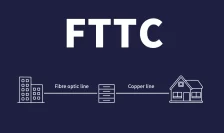
Scopri cos’è la FTTC (Fiber to the Curb), come funziona, i suoi punti di forza e di debolezza e come si confronta con la FTTH e la DSL. Scopri le applicazioni, i requisiti hardware e le tendenze future nell’accesso a banda larga.
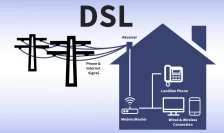
Scopri cos’è la DSL (Digital Subscriber Line), come funziona e le differenze tra ADSL, VDSL e altri tipi. Scopri vantaggi, limitazioni e il futuro della tecnologia DSL nell’accesso a banda larga.
Scopri cos’è un data center, come funziona, i suoi principali tipi e le tendenze future. Impara perché i data center alimentano oggi il cloud, l’intelligenza artificiale e i servizi digitali.
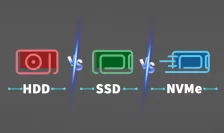
Esplora le differenze tra unità HDD, SSD e NVMe. Scopri informazioni su velocità, costo e migliori casi d’uso, e vedi come le soluzioni di connettività LINK-PP supportano i sistemi di archiviazione.
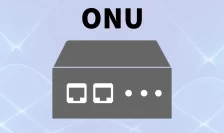
Cos'è Optical Network Unit (ONU)? Un ONU converte i segnali in fibra ottica per i vostri dispositivi, garantendo internet veloce e stabile sia a casa che in ufficio.
Cos’è l’Optical Line Terminal (OLT)? L’OLT è il dispositivo principale nelle reti in fibra, che converte i segnali e gestisce i dati per connessioni Internet veloci e stabili.
ONU vs ONT spiegato: comprendi le differenze chiave, i ruoli e quale dispositivo soddisfa al meglio le tue esigenze di connettività in fibra ottica, sia per uso domestico che per edifici condivisi.
Confronta i moduli ottici monomodali e multimodali in base alle dimensioni del nucleo, alla distanza, alla velocità e al costo. Scegli il modulo giusto per le esigenze della tua rete.
SFP+ transceiver modules enable high-speed data transfer, seamless communication, and flexible connectivity in data centers, supporting efficient networks.
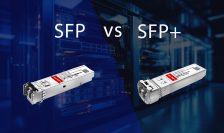
I transceiver SFP e SFP+ differiscono per velocità, compatibilità e utilizzo. SFP supporta fino a 1 Gbps, mentre SFP+ gestisce fino a 10 Gbps per reti più veloci.
I transceiver 100G SFP-DD potenziano le reti ad alta densità con velocità elevate fino a 100 Gbps, design compatto, efficienza energetica e trasmissione dati a lunga distanza fino a 40 km.
I transceiver SFP+ 10G garantiscono trasferimento dati ad alta velocità, bassa latenza, efficienza energetica e compatibilità con vari dispositivi per configurazioni di rete moderne.
Un modulo ottico converte segnali elettrici in luce per un trasferimento dati rapido e affidabile nelle reti, essenziale per il cloud computing, le telecomunicazioni e i data center.
Panoramica della soluzione DWDM coerente a 100G: elevate velocità di trasferimento dati, efficienza spettrale e scalabilità per le reti telecom, i data center e le reti aziendali.
Confronta ONU Wi-Fi 5 rispetto a ONU Wi-Fi 6 per il 2025. Scopri velocità più elevate, maggiore sicurezza e maggiore efficienza con Wi-Fi 6 per reti moderne con più dispositivi.
Confronta le soluzioni xPON WDM per reti FTTH e FTTB. Scopri la loro banda, il costo e la scalabilità per scegliere la migliore in base alle tue esigenze di distribuzione.
What Frame Check Sequence (FCS) means, how CRC-32 detects corrupted Ethernet frames, and why FCS errors are commonly associated with cable faults, fiber issues, or optical transceiver problems.
Discover how optical cross‑connect (OXC) enables all‑optical switching in DWDM/OTN networks, with LINK‑PP SFP modules ensuring seamless integration and superior performance.
Learn what Dispersion Compensation Fiber (DCF) is, how it reduces chromatic dispersion, where it is used, and why it matters in modern optical networks.
Learn what OEO means in optical communication, how optical-electrical-optical regeneration works, and when it is used in DWDM networks and optical links. Keywords:
Discover the LQ‑SW40‑SR4C 40GBASE‑SR module: high-speed, low-power, QSFP+ optics for multimode fibre networks. Perfect for data centres and network upgrades.
Learn what hyperconverged infrastructure HCI is, how it compares with virtualization and dHCI, and when Nutanix, Sangfor, or SFP-based designs fit best.
Understand SFP+ 40km (10GBASE-ER) modules, including specs, SMF compatibility, and how to choose the right extended-reach optical transceiver for your network.