Il transceiver ottico SMF offre collegamenti a lunga distanza e ad alta velocità, mentre il MMF è adatto a collegamenti brevi ed economici. Scegli in base alle esigenze della tua rete.
Esplora le differenze tra DDMI (interfaccia) e DDM (diagnostica) nei transceiver ottici. Scopri come ciascuno supporta il monitoraggio in tempo reale e come i prodotti LINK-PP li sfruttano.
Scopri come i moduli ottici a 1310 nm svolgono ruoli essenziali nei data center, nelle reti metropolitane e nei collegamenti aziendali. Impara gli scenari d’uso ed esplora i moduli affidabili LINK-PP.
Esplora i protocolli MSA più comuni utilizzati nei transceiver ottici. Impara tutto su SFP, SFP+, QSFP, CFP e altri—oltre a come i moduli compatibili LINK-PP garantiscono prestazioni affidabili.
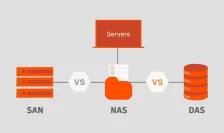
Confronta DAS, NAS e SAN per individuare la soluzione di storage dati più adatta in termini di velocità, scalabilità, affidabilità e costo, in base alle tue esigenze aziendali o personali.
L’archiviazione direttamente collegata (Direct-Attached Storage) è collegata direttamente al tuo dispositivo, offrendo accesso rapido ai dati, privacy e controllo senza dipendere da una rete.
L’archiviazione collegata alla rete (Network Attached Storage) è un dispositivo centralizzato che ti consente di archiviare, condividere e proteggere file attraverso la tua rete per un facile accesso da più dispositivi.
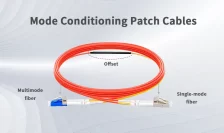
I cavi patch per condizionamento della modalità consentono ai dispositivi monomodali di funzionare con fibre multimodali, riducendo la distorsione del segnale e il ritardo differenziale di modalità nelle reti.
Una rete di archiviazione (SAN) collega i server a un’archiviazione condivisa, offrendo accesso rapido, affidabile e centralizzato ai dati per le aziende con grandi esigenze di dati.
Scopri come DDMI, l'Interfaccia di Monitoraggio Diagnostico Digitale, fornisce informazioni in tempo reale sui trasmettitori ottici. Conosci le sue metriche chiave, i vantaggi e come i moduli LINK-PP lo supportano.
La protezione ESD per l’elettronica è semplificata con la fabbrica intelligente LINK-PP, che offre robuste protezioni negli ottici Ms, negli RJ45, nei trasformatori e nelle gabbie per fibre ottiche.
Scopri come i trasformatori LAN LINK-PP garantiscono elevata velocità e integrità del segnale, nonché isolamento elettrico certificato — ideali per reti industriali, PoE e IoT.
I moduli ottici potenziano la tecnologia AI abilitando trasferimenti dati ad alta velocità, riducendo la latenza e migliorando l’efficienza energetica nei moderni sistemi AI.
Il connettore RJ45 medico garantisce connessioni di rete sicure, affidabili e conformi nei dispositivi medici, conformi alle norme IEC 60601-1 e alle norme di sterilizzazione.
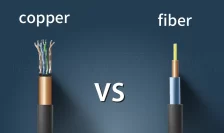
Il cavo in fibra ottica offre velocità superiori, distanze maggiori e maggiore affidabilità rispetto al cavo in rame, rendendolo ideale per internet e reti ad alte prestazioni.
La collaborazione tra LINK-PP e Vietnam Telecom nel 2025 potenzia le telecomunicazioni vietnamite con moduli ottici avanzati, migliorando velocità, affidabilità e scalabilità.
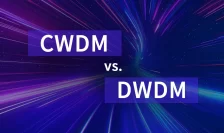
CWDM vs DWDM: ottica metropolitana a 8 canali economica vs sistemi a lunga distanza ad alta densità con 96+ canali. Scegli i transceiver ottici LINK-PP per entrambe le soluzioni WDM.
Uno switch è un dispositivo di rete che collega dispositivi in una LAN, inviando i dati solo al dispositivo destinatario per una comunicazione efficiente, sicura e veloce.
Confronta i connettori in fibra PC, UPC e APC per scegliere il tipo più adatto alla tua rete. Comprendi le differenze in termini di perdita di ritorno, perdita di inserzione e applicazioni.
What Frame Check Sequence (FCS) means, how CRC-32 detects corrupted Ethernet frames, and why FCS errors are commonly associated with cable faults, fiber issues, or optical transceiver problems.
Discover how optical cross‑connect (OXC) enables all‑optical switching in DWDM/OTN networks, with LINK‑PP SFP modules ensuring seamless integration and superior performance.
Learn what Dispersion Compensation Fiber (DCF) is, how it reduces chromatic dispersion, where it is used, and why it matters in modern optical networks.
Learn what OEO means in optical communication, how optical-electrical-optical regeneration works, and when it is used in DWDM networks and optical links. Keywords:
Discover the LQ‑SW40‑SR4C 40GBASE‑SR module: high-speed, low-power, QSFP+ optics for multimode fibre networks. Perfect for data centres and network upgrades.
Learn what hyperconverged infrastructure HCI is, how it compares with virtualization and dHCI, and when Nutanix, Sangfor, or SFP-based designs fit best.
Understand SFP+ 40km (10GBASE-ER) modules, including specs, SMF compatibility, and how to choose the right extended-reach optical transceiver for your network.
Subscribe to LINK-PP
newsletter
Don’t miss anything. Get all the latest posts delivered straight to your inbox.