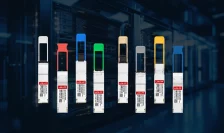
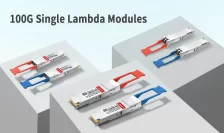
I moduli QSFP28 da 100G su singola fibra consentono aggiornamenti di rete rapidi ed economici utilizzando un unico filamento di fibra, ideali per data center moderni scalabili.
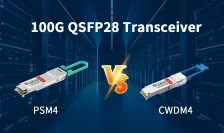
Confronta PSM4 e CWDM4 per scegliere il trasceiver ottico da 100G più adatto alla tua rete in base a distanza, cablaggio, costo e esigenze di aggiornamento.
Scopri cosa rappresenta l’IEEE per l’hardware di rete, gli standard chiave come IEEE 802.3 e come LINK-PP fornisce soluzioni Ethernet certificate e affidabili per gli acquisti B2B.
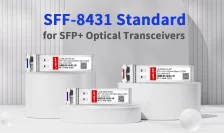
Scopri come i moduli SFP+ LINK-PP rispettano lo standard dell’interfaccia elettrica SFF-8431, garantendo l’integrità del segnale a 10 Gb/s, la compatibilità con l’host e le diagnosi in tempo reale
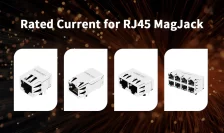
Scopri come i connettori RJ45 integrati supportano dati e alimentazione — coprendo gli standard IEEE PoE, la corrente nominale per contatto/coppia e le informazioni affidabili sui prodotti LINK-PP.
I moduli da 100 G con singolo lambda garantiscono velocità superiori, minore consumo energetico e aggiornamenti più semplici per data center e reti telecom.
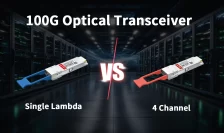
I moduli da 100 G con singolo lambda offrono aggiornamenti più semplici, cablaggi più agevoli e prestazioni pronte per il futuro rispetto ai moduli ottici da 100 G a 4 canali.
Lo standard GR-468-CORE Telcordia rappresenta il riferimento globale per l'affidabilità dei componenti ottici. Scopri come i moduli ottici LINK-PP soddisfano i requisiti GR-468.
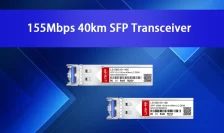
Recensione del modulo ottico transceiver LINK-PP LS-SM3101-40C SFP 155Mbps 40km SMF, con copertura di caratteristiche, compatibilità, diagnostica e valore per le reti.
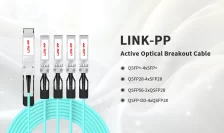
Un cavo AOC breakout suddivide una porta ad alta velocità in più porte, offrendo connessioni di rete rapide, flessibili ed energeticamente efficienti per i data center del 2025.
Approfondisci lo standard IEEE 802.3bs, la base per l’Ethernet moderna a 200G e 400G. Scopri le specifiche, la modulazione PAM4 e come questa tecnologia sta guidando i data center iperscalari con i transceiver ottici.
Scopri cos’è IEEE 802.3bm e come definisce le principali interfacce fisiche (PHY) per l’Ethernet 40G e 100G. Esplora le tecnologie SR4, LR4, CR4 e perché questo standard alimenta i data center moderni.
L’ottica aperta e la disaggregazione nelle reti dei data center riducono i costi, aumentano la flessibilità e migliorano le prestazioni, riducendo al contempo il vincolo verso un singolo fornitore e il consumo energetico.
I test di invecchiamento e di “burn-in” garantiscono l'affidabilità dei transceiver ottici rilevando precocemente i guasti, migliorando le prestazioni ed estendendo la durata utile del modulo.
L’ottica plug-in offre aggiornamenti flessibili, mentre l’ottica integrata sulla scheda garantisce velocità più elevate e maggiore integrazione. Confronta entrambe per valutare le esigenze del tuo data center.
Scopri come il guasto TX e la perdita del segnale RX influenzano i transceiver ottici. Questa guida ne spiega le funzioni, le cause comuni e i passaggi pratici per la risoluzione dei problemi.
Scopri come abbinare i moduli SFP allo switch o al convertitore di supporto verificando compatibilità, velocità, tipo di fibra, lunghezza d’onda e distanza. Una guida chiara e pratica.
La selezione di moduli SFP industriali richiede la verifica di compatibilità, budget di collegamento, classe di temperatura, DDM (SFF-8472) e assistenza del fornitore. Guida pratica per reti robuste.
L’ottica integrata migliora la velocità dei dati, l’efficienza energetica e la densità dei canali per data center, supercomputer e sistemi di rete avanzati.
L’ottica inseribile consente aggiornamenti flessibili ed economici delle reti e connessioni ad alta velocità, con l’ottica inseribile lineare che potenzia le prestazioni dell’intelligenza artificiale e dei data center.
What Frame Check Sequence (FCS) means, how CRC-32 detects corrupted Ethernet frames, and why FCS errors are commonly associated with cable faults, fiber issues, or optical transceiver problems.
Discover how optical cross‑connect (OXC) enables all‑optical switching in DWDM/OTN networks, with LINK‑PP SFP modules ensuring seamless integration and superior performance.
Learn what Dispersion Compensation Fiber (DCF) is, how it reduces chromatic dispersion, where it is used, and why it matters in modern optical networks.
Learn what OEO means in optical communication, how optical-electrical-optical regeneration works, and when it is used in DWDM networks and optical links. Keywords:
Discover the LQ‑SW40‑SR4C 40GBASE‑SR module: high-speed, low-power, QSFP+ optics for multimode fibre networks. Perfect for data centres and network upgrades.
Learn what hyperconverged infrastructure HCI is, how it compares with virtualization and dHCI, and when Nutanix, Sangfor, or SFP-based designs fit best.
Understand SFP+ 40km (10GBASE-ER) modules, including specs, SMF compatibility, and how to choose the right extended-reach optical transceiver for your network.